Modern GPU architecture is increasingly dedicated to functions that sit outside the traditional rendering pipeline. While this can sometimes feel like inefficient silicon usage, Microsoft’s announcement of the Shader Model 6.10 preview signals a massive shift in how hardware and software interact. By integrating matrix math directly into the official DirectX API suite, Microsoft is paving the way for neural rendering to become a standardized industry pillar.
Standardizing Matrix Math via DirectX
The most significant addition in the Shader Model 6.10 package is the introduction of "Matrix" features. According to Microsoft, this update "unlocks comprehensive hardware acceleration for Matrix-oriented operations across various use cases."
While the DirectX API previously offered limited support for matrix math units, this update changes the landscape entirely. It moves these capabilities from being proprietary, vendor-specific features to becoming a generic requirement for all GPUs that comply with the new standard. This is a crucial distinction for developers who currently have to write different code paths to support specific graphics card families.
Matrix math serves as the fundamental computational paradigm for modern AI systems, including the transformer models that power large language models (LLMs). The implications for gaming are vast:
- Unified Development: Developers can write neural rendering features once for DirectX.
- Hardware Agnosticism: These features will run on any compliant hardware rather than being locked to one brand.
- Efficiency: Better utilization of the increasing amount of die space dedicated to AI-centric tasks.
- Improved Visuals: More extensive and efficient use of available GPU hardware leads to better-looking games.
Breaking the Nvidia Monopoly on Neural Rendering
For years, high-end AI-driven features have been synonymous with Nvidia. Since the RTX 20 Series, Nvidia has utilized dedicated Tensor cores to handle matrix math. Competitors have had to play catch-up; while AMD’s RDNA 3 generation included some shader core optimizations for these tasks, it is the upcoming RDNA 4 (Radeon RX 9000 family) that is expected to introduce formal hardware comparable to Nvidia's Tensor cores.
Nvidia has already showcased a wide array of proprietary "neural rendering" technologies that rely heavily on this math, such as:
- RTX Neural Shaders: Generating textures, materials, lighting, and volumes.
- RTX Neural Radiance Cache: Using AI to improve lighting accuracy.
- RTX Mega Geometry: Enabling path-tracing for massive worlds with dense geometry.
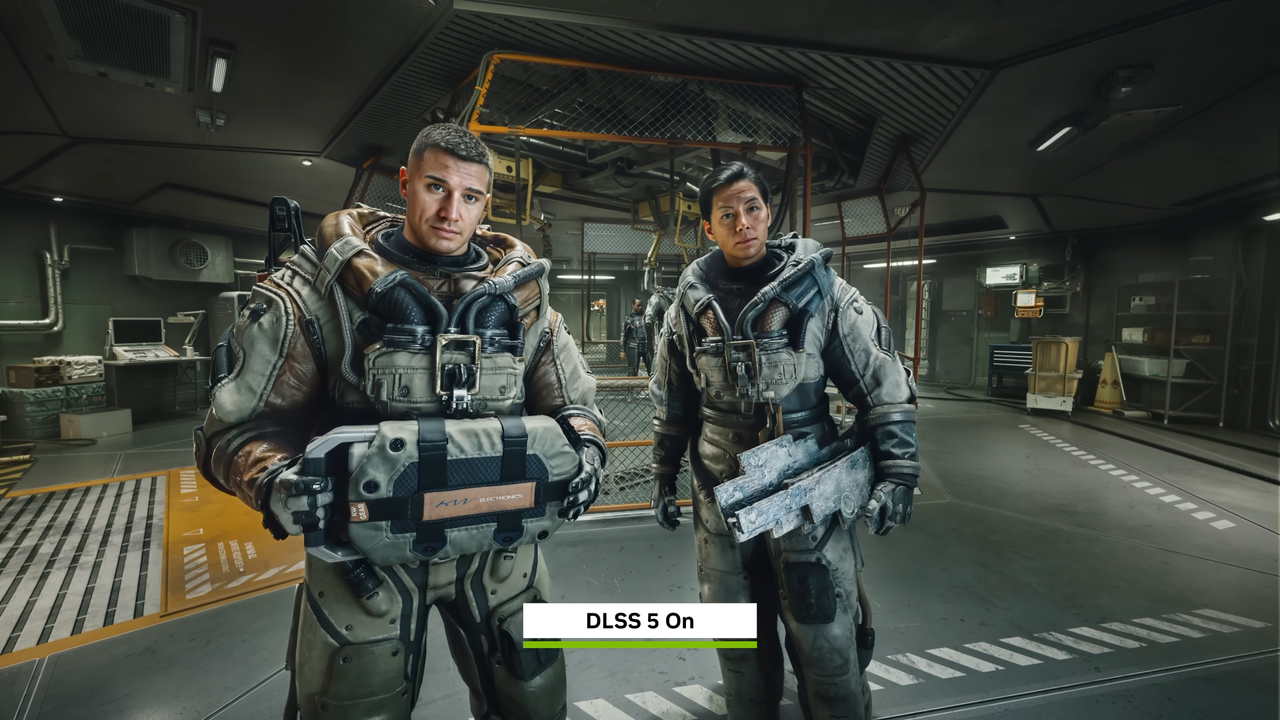
By making support for hardware matrix math an essential part of DirectX compliance, Microsoft is effectively democratizing these technologies. Even if players are skeptical of specific implementations like DLSS, the introduction of Shader Model 6.10 ensures that neural rendering becomes a standard tool rather than an Nvidia-exclusive luxury. This shift could lead to generic upscaling and advanced lighting effects that work seamlessly across all next-gen hardware, potentially reducing the industry's heavy reliance on a single manufacturer's ecosystem.