Microsoft's Plan to Cut Ties with Ninja Theory May Have Been in the Works Before the Senua Trailer
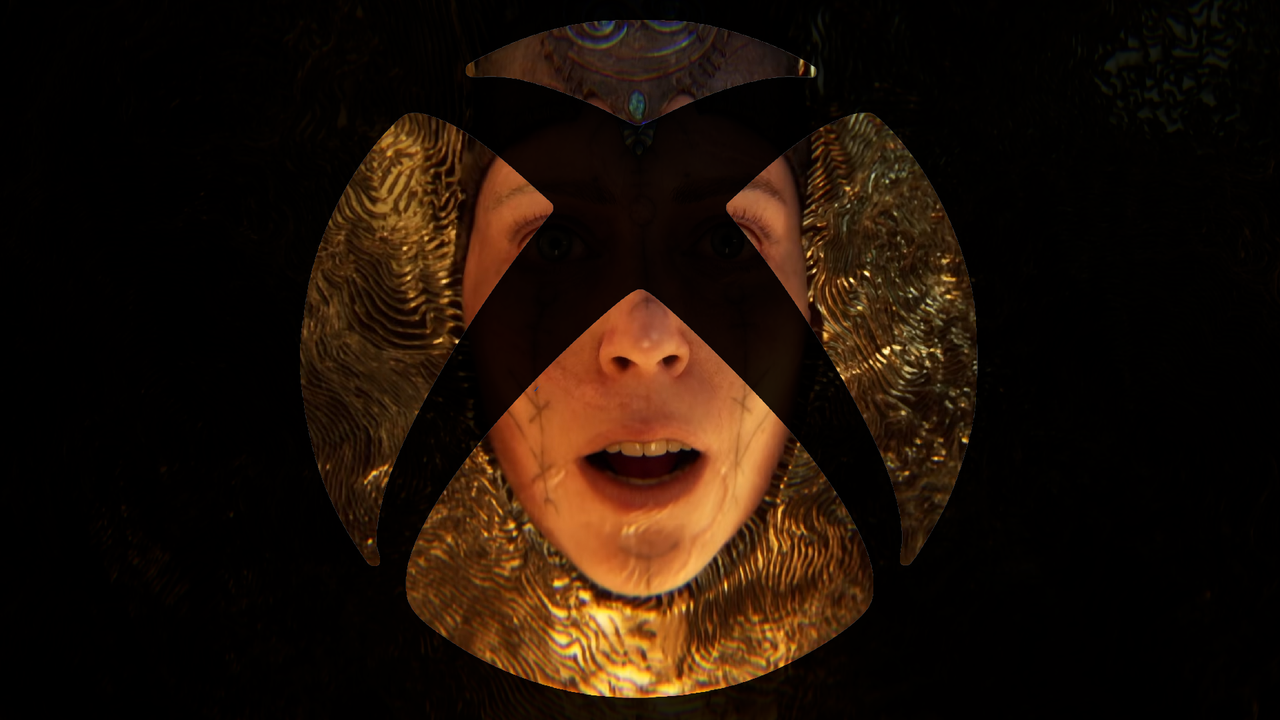
The recent news surrounding Microsoft's suspected layoffs and studio closures has raised more than a few eyebrows, but perhaps the most shocking revelation is the potential fate of Ninja Theory. The studio, known for its critically acclaimed work on Hellblade: Senua’s Sacrifice, had just announced a new game in the same franchise during the Xbox Showcase—a move that seemed promising at the time. However, new reports suggest that Microsoft may have already decided to part ways with Ninja Theory before the trailer even dropped.
According to an anonymous source speaking with journalist Stephen Totilo of Game File, Microsoft had already planned to sunset or split with Ninja Theory prior to the announcement of the new Senua game. The idea, as the source explained, was to use the newly revealed game as a way to draw investor interest in the studio. It remains unclear whether Ninja Theory was aware of this plan or had any role in it.
This revelation has sparked a wave of speculation and frustration among fans and industry observers. While one could argue that Microsoft was giving Ninja Theory a last chance to prove itself, the timing of the decision—just days after the game was announced—makes it hard to see the move as anything but cynical. Especially with Microsoft’s recent track record, it’s difficult not to question the company’s ability to commit to long-term projects or studios.
Microsoft’s Leadership Under Scrutiny
Totilo shared that he had spoken with Asha Sharma, the head of Xbox, just two months ago. During the conversation, Sharma praised Compulsion Games, the studio behind South of Midnight, for winning a Peabody Award. However, South of Midnight is now reportedly on the chopping block, adding to the growing list of Microsoft studios facing uncertainty.
Some have pointed to Microsoft CEO Satya Nadella, who has suggested that the issue with games like South of Midnight is their lack of monetization. This statement has only added fuel to the fire, with critics arguing that Microsoft’s leadership is more focused on short-term gains than long-term investment in its studio ecosystem.
The lack of transparency and the short-sighted decisions from Microsoft’s top executives have left many questioning the company’s vision for its first-party studios. Whether it’s cutthroat business practices or inconsistent strategy, the pattern is clear: Microsoft is struggling to maintain a cohesive and stable creative environment. As the company moves forward, it will need to reassess its approach if it wants to retain the trust of its employees, partners, and fans.