Microsoft’s Open Source Tools Were Hacked to Steal Passwords of AI Developers
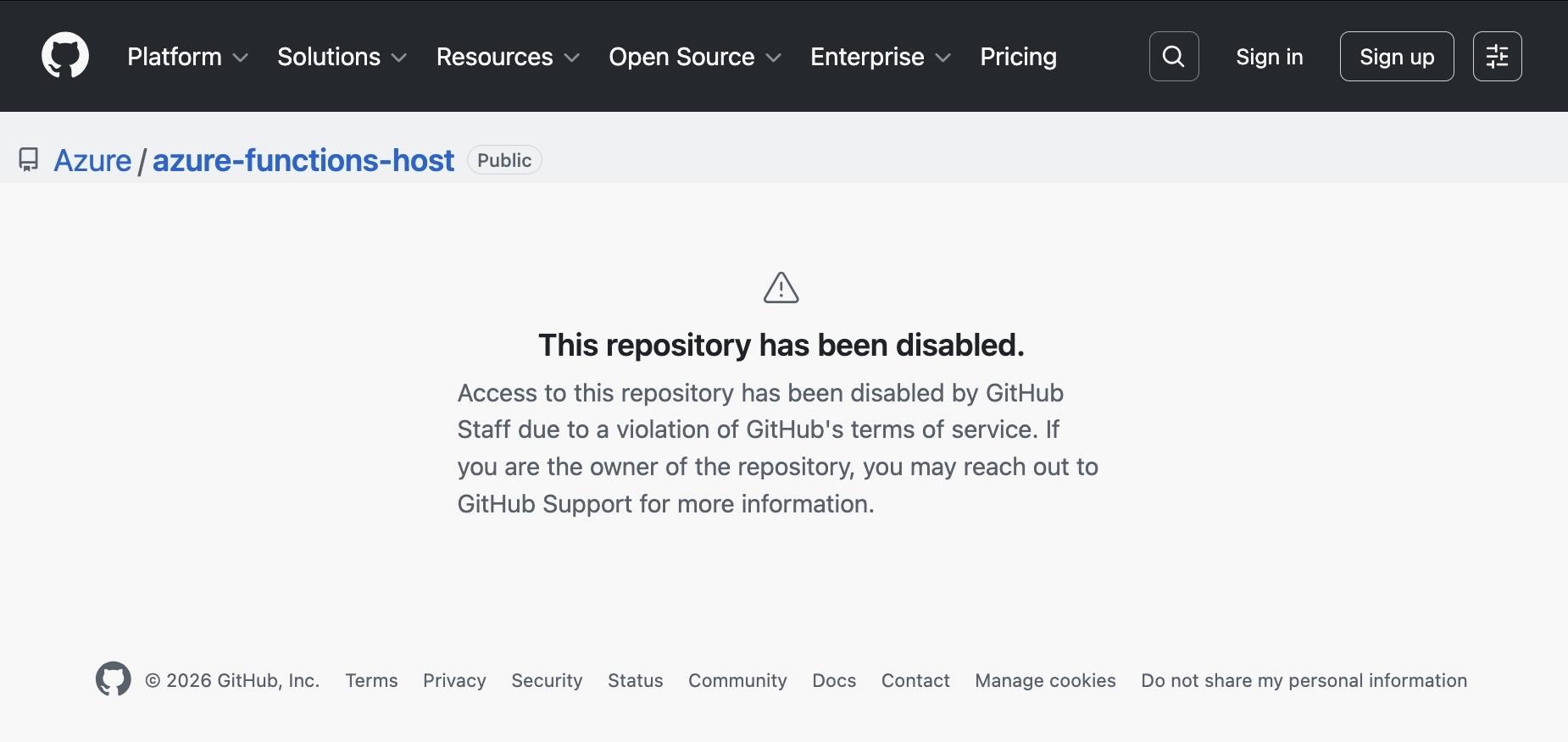
Microsoft has temporarily disabled dozens of its open source projects on GitHub, citing an investigation into potential malicious code injected into the repositories. The affected projects include tools tied to Azure, AI development environments, and widely used coding interfaces such as VS Code. Security researchers at Cloudsmith and OpenSourceMalware were among the first to detect the malware, which was designed to steal user passwords and other sensitive credentials when developers opened the compromised tools in their AI coding apps.
The Growing Threat of Supply Chain Attacks
This breach highlights a troubling trend in cybersecurity: the rise of supply chain attacks. These attacks exploit the interconnected nature of open source software, targeting widely used tools that are integrated into countless other applications and systems. In this case, the malware was embedded in repositories that developers frequently use, increasing the risk of widespread compromise. Unlike traditional hacking methods, supply chain attacks can affect thousands of users indirectly, often without their knowledge.
The malware was designed to capture credentials when tools were opened. At least 70 Microsoft repositories have been disabled on GitHub. The breach is part of a second known incident in a short period.
A Pattern of Vulnerability
Microsoft's recent breach is not an isolated incident. Just weeks prior, the open source project Durable Task was compromised, and researchers now believe this latest incident may be a re-compromise of that same project. This raises questions about whether the initial breach was fully addressed or if the hackers managed to re-enter the system. For a company with the resources and security infrastructure of Microsoft, such repeated vulnerabilities are particularly concerning and suggest a possible systemic weakness in how open source projects are managed and monitored.
Looking Ahead
As open source software becomes more integral to modern development workflows, incidents like this underscore the need for greater vigilance in how these projects are maintained and secured. Developers must be cautious about the tools they use and ensure that their credentials are protected through multi-factor authentication and regular audits. For companies like Microsoft, the breach serves as a wake-up call that even the most robust security protocols can be tested by determined attackers.
The implications of this breach extend beyond Microsoft. It challenges the assumption that large tech companies are immune to such attacks and raises concerns about the broader ecosystem of open source tools. As the industry moves forward, collaboration between developers, security researchers, and platform providers will be crucial in identifying and mitigating future threats.