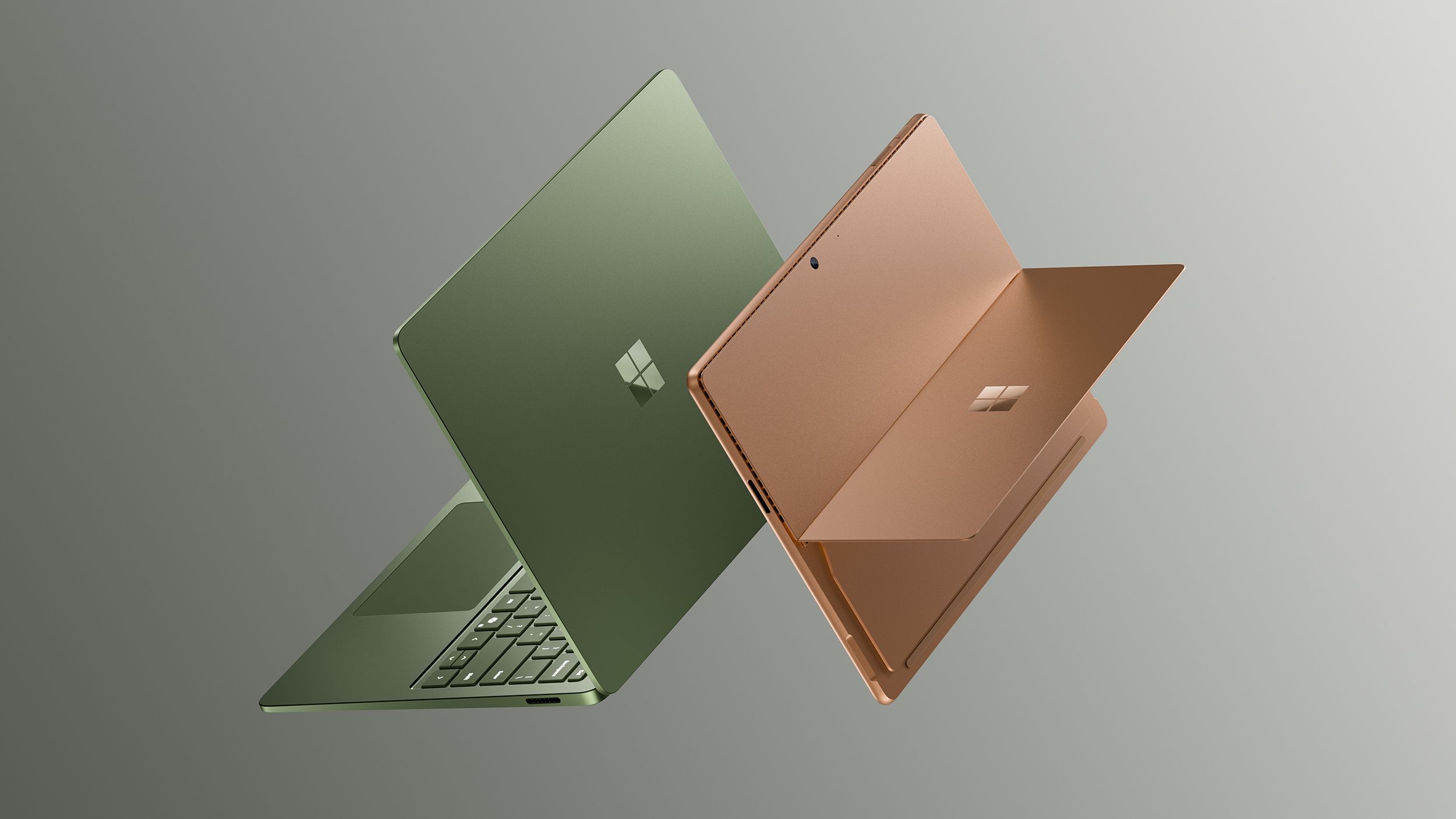
Microsoft’s New Surface Laptop and Surface Pro Get Faster—and Way More Expensive
Microsoft’s latest Surface Laptop and Surface Pro models are equipped with the Qualcomm Snapdragon X2 chips, which deliver up to 53 percent faster graphics performance compared to previous generations. The new chips also promise 15.5 hours of battery life, a significant boost that aligns with the company’s focus on mobility and efficiency. These improvements are not trivial — they reflect a broader shift in Windows laptop design toward always-connected, high-performance devices that rival the capabilities of modern MacBooks.
Performance Gains Outpace Cost Containment
Snapdragon X2 chips bring a new level of performance to Surface devices. Battery life has seen a notable increase, enhancing user experience. Graphics performance is now a key differentiator in the premium laptop market.
Yet, these enhancements come with a steep financial cost. The Surface Laptop’s starting price has risen to $1,599, a $600 jump from the previous generation. Meanwhile, the Surface Pro now begins at $1,499, up from $999 just a year ago. These increases are even more jarring when you consider that the new models offer 256 GB of storage, half of what the previous generation provided. Microsoft’s decision to scale back storage while increasing prices has sparked widespread criticism, especially as competitors like Dell have started to offer lower configurations at more affordable prices.
A Broader Industry Shift in Pricing
The price hikes for the Surface devices are part of a larger trend in the PC industry, where the cost of components like RAM and storage has remained inflated due to ongoing supply chain issues. While Microsoft’s Surface line has traditionally occupied a premium segment, the recent pricing adjustments suggest that even the top-tier Windows laptops are not immune to the economic pressures facing the broader market.
- RAM and storage costs have surged due to global supply chain challenges
- Competitors are adjusting their configurations to match price fluctuations
- Component shortages are pushing up the cost of new high-end devices
The Surface Laptop’s new Jade color option and the Surface Pro’s Dune finish are the only visual updates, signaling that Microsoft’s design team is focusing more on performance and less on form. This lack of major design overhauls, combined with the steep price increases, raises questions about the value proposition for consumers who are already paying a premium for these devices.
Looking Ahead: Can Microsoft Justify the Price?
Microsoft’s Surface Laptop and Surface Pro are undeniably powerful, with the new Snapdragon X2 chips offering a compelling blend of performance and portability. However, the question remains: can the company justify such a drastic increase in price, especially when the base models now offer less storage and no significant hardware upgrades beyond the new chips?
With the Surface Laptop Ultra set to launch later this year, powered by the anticipated Nvidia RTX Spark chip, Microsoft seems to be preparing for a more aggressive push into the high-end laptop market. Whether the current Surface models will be seen as a necessary upgrade or an overpriced step forward depends largely on how consumers and critics react to the new pricing structure. For now, the message is clear: in the world of premium Windows laptops, faster is not always cheaper.