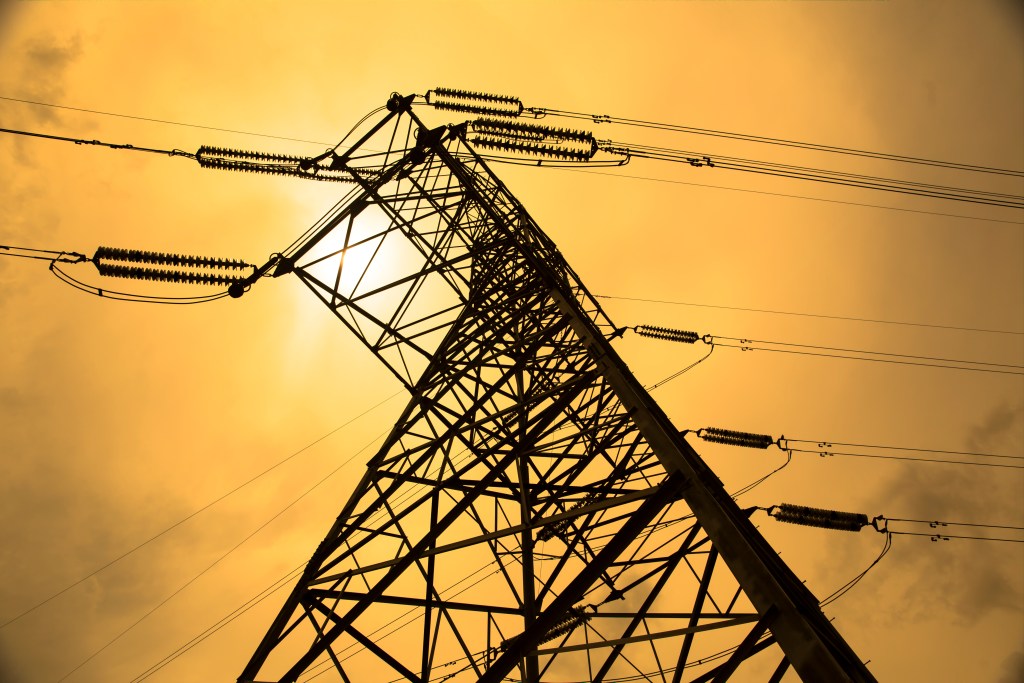
What happens when a foundational system struggles to keep pace with exponential technological growth? The United States’ largest electric grid, PJM Interconnection, now finds itself at a critical juncture as AI-driven data centers flood demand across its service area. As artificial intelligence scales, the massive energy requirements of these facilities are pushing the limits of existing infrastructure.
The impact of AI on grid architecture
The grid’s foundational design historically prioritized reliability over scalability, but the emergence of hyperscale data centers has disrupted this equilibrium. Unlike traditional industrial users, AI workloads require continuous, massive power surges that often outpace traditional generation capacity expansions.
PJM’s infrastructure was built decades ago for slower-evolving energy needs. Today, it faces unprecedented load spikes that test operational limits and threaten the stability of the entire regional network.
Interconnection delays and systemic bottlenecks
The strain on the system is exacerbated by significant administrative hurdles. Developers seeking grid access are currently facing years-long waits due to procedural inefficiencies within the current framework. This backlog has created a dangerous mismatch between demand and supply:
- Proposed Projects: Over 300 gigawatts of projects are currently sitting in approval queues.
- Capacity Gap: Actual capacity additions remain minimal compared to the massive surge in requested power.
- Reliability Risks: These infrastructure gaps amplify concerns regarding long-term systemic stability.
As AI energy consumption continues to climb, these bottlenecks prevent the grid from evolving at the necessary speed to support new technology.
Navigating potential reforms and future pathways
In response to these growing pressures, PJM’s recent white paper outlines three potential reform paths to address the strain caused by AI and other high-demand sectors:
- Longer-term generation commitments: While providing stability, these may clash with current renewable intermittency trends.
- Dynamic pricing models: Price adjustments could manage demand but risk disproportionately impacting smaller consumers.
- Hybrid market structures: This approach introduces potential volatility without clear regulatory precedents.
Each of these solutions carries significant trade-offs that make stakeholder alignment difficult. The grid’s inertia mirrors broader energy transition challenges, where legacy systems struggle to adapt to digital-age consumption patterns.
Without rapid recalibration, stakeholders face prolonged instability rather than incremental evolution. PJM stands at a pivotal moment where the decisions made today will define grid resilience for decades to come. Success hinges on whether institutional agility can match technological momentum before systemic strain escalates into irreversible consequences.