New report claims Intel is 'struggling' to supply laptop CPUs based on its latest 18A node after speaking to Computex sources
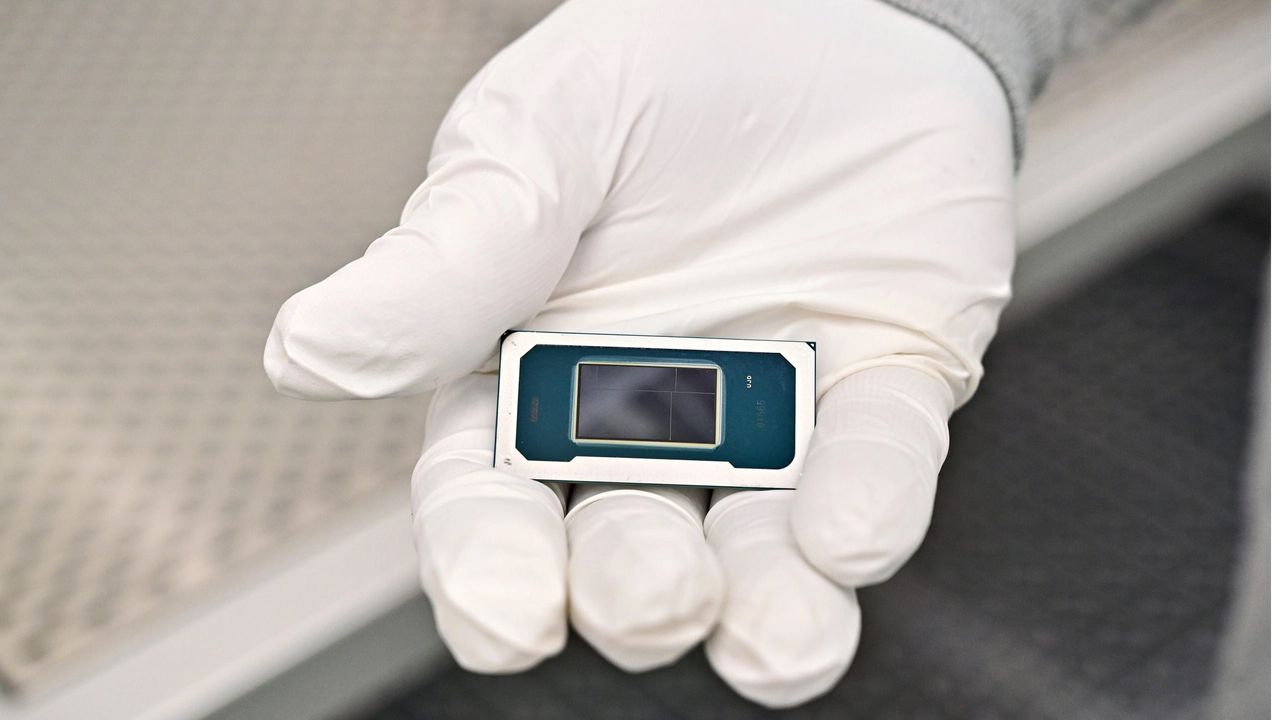
Intel is reportedly struggling to supply laptop CPUs built on its latest 18A silicon production node, according to a new report. The issue affects the Panther Lake CPU, which underpins Intel’s new handheld chip, the Arc G3, as well as the budget-friendly Wild Cat Lake chip. However, the problem may not lie solely with the 18A node itself.
A Complex Web of Factors
Tim Culpan, a technology journalist based in Taipei, Taiwan, has spoken to multiple industry contacts at Computex 2026, including representatives from three of the six largest laptop PC manufacturers. A common theme has emerged: supply is tight.
"I spoke with people at three of the world’s top-six laptop brands, and they all gave the same feedback: supply is tight," Culpan says. "The chipmaker is struggling with the delivery of the laptop chips and has been unable to provide clarity on when the shortage would ease," he added, citing feedback from major PC brands, smaller laptop makers, and system assemblers.
Culpan notes that Alex Katouzian, Intel’s general manager of Client Computing and Physical AI, acknowledged "some" shortages but stated that Intel is "overcoming" them. However, the issue may not be with the 18A node itself.
TSMC's Role and Intel's Priorities
Culpan suggests that the supply chain, and notably TSMC, may be part of the explanation. Intel’s Panther Lake CPUs have CPU tiles built on its in-house 18A node, but the I/O tile is manufactured by TSMC. Culpan claims Intel's relationship with TSMC may be "under strain" and that "TSMC’s capacity is notoriously tight right now, and Intel is unlikely to be high on the priority list."
Another factor is Intel’s new server chip, Clearwater Forest, branded as Xeon 6+. This chip is also built on the 18A node. PC makers suspect that Intel is prioritizing 18A capacity for Clearwater Forest over lower-margin laptop CPUs.
Allocation Challenges and Future Competition
At the Computex press conference, Culpan asked Intel’s data centre boss, Kevork Kechichian, how 18A capacity is allocated. Kechichian responded enigmatically, saying, “It’s complicated, it’s not an easy thing.”
Intel’s upcoming Nova Lake desktop CPUs are scheduled for release toward the end of the year and will add further competition for 18A capacity. If 18A production is being dominated by server chips, it could spell more trouble for PC gamers and laptop users alike.
- Intel is facing supply chain challenges with its latest 18A node.
- TSMC’s capacity issues may be contributing to the shortage.
- Intel’s server chips are potentially taking priority over laptop CPUs.
- The situation could worsen with the release of Nova Lake desktop CPUs later this year.