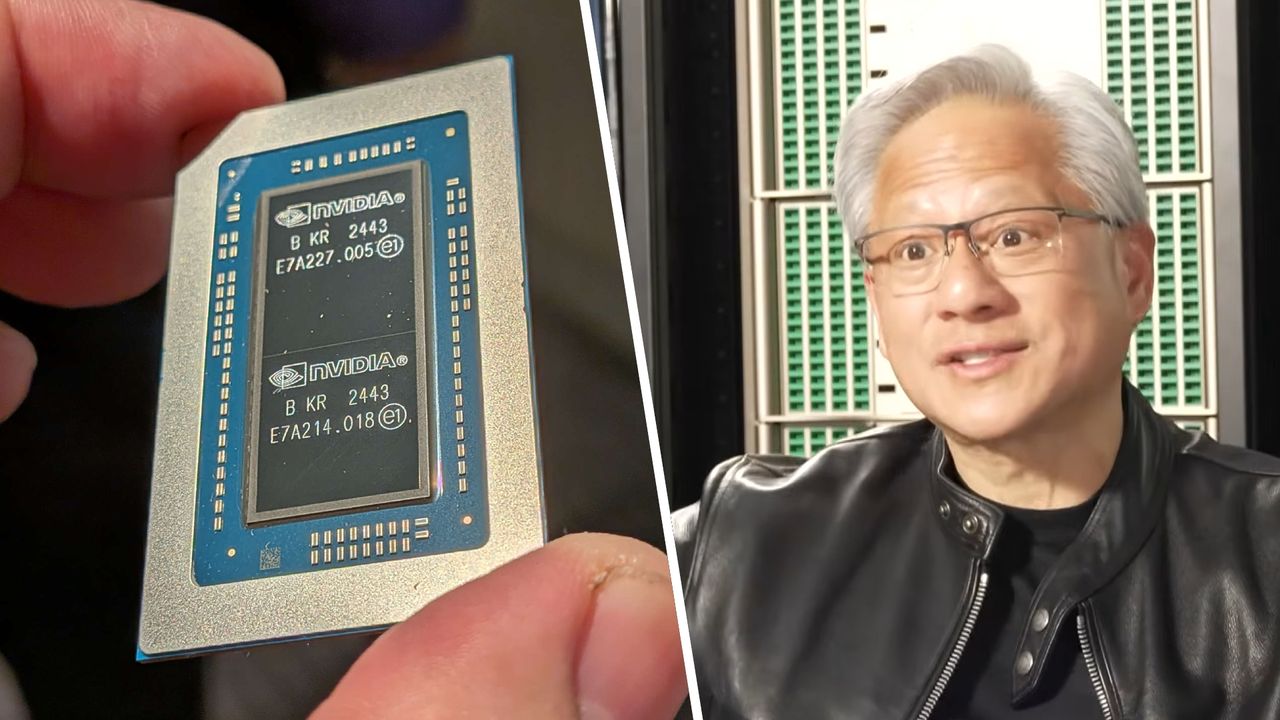
Nvidia CEO Jensen Huang on AI and Social Norms
Nvidia CEO Jensen Huang has been making waves with his recent comments on the need to "deal with social norms" surrounding artificial intelligence. While he may be basking in the adoration of fans at Computex Taiwan, his thoughts on AI are equally compelling. When asked by the Associated Press about whether AI itself concerns people or the absence of social structures to adapt to rapid technological change, Huang responded with a nuanced perspective, stating that it's a combination of various factors.
He emphasized the importance of addressing regulation, technology, and social norms together. Huang drew a parallel to the evolution of automobile use, noting how initial concerns about the dangers of cars led to changes in social norms, such as warnings to children not to play in the street and the implementation of speed laws. However, when asked what specific social norms should be adjusted for AI, his response was less concrete: "The first thing is that I would advocate that everybody use AI. Just go engage it."
This call to action raises questions about how effective it is in addressing the concerns surrounding AI. Unlike the automobile analogy, simply urging people to use AI may not be as convincing or effective in shifting public perception and ensuring safety. Huang acknowledges that AI is free and easy to use, but this accessibility comes with hidden costs. The "free" tiers of AI are not truly free; they rely on existing technologies, which are inflated in cost. These free services are also subsidized by higher-tier, paid services, contributing to a market that is both inflated and energy-intensive.
In essence, the idea that AI is "free" is a bit of a misnomer. The energy consumption and infrastructure required to support AI are substantial, and these costs are often not transparent to the end user. Huang’s push for broader AI adoption may also be driven by a concern about user demand. If people don't use the technology, it could eventually impact the sustainability of AI companies and, by extension, Nvidia itself.
Currently, Nvidia is in a strong financial position, but the companies that rely on its AI hardware are not. The long-term viability of this business model remains to be seen, as markets can be unpredictable. As AI continues to evolve, it will be crucial to balance innovation with responsible use, ensuring that the social norms around AI are as thoughtful and protective as those surrounding other transformative technologies.