Nvidia wants to cut data center water use, but that’s not the same as fixing AI’s water problem
The global surge in AI development has made data centers the new frontlines of energy and water consumption, with cooling systems now accounting for a significant share of both. Nvidia’s recent announcement of a warm-water cooling system that could eliminate nearly all on-site water use in data centers has drawn attention, but it also reveals a critical misalignment in how the industry measures and addresses environmental impact. While the company claims its innovation solves the data center’s water footprint, the broader picture shows that AI’s water problem extends far beyond the walls of any single facility.
The Illusion of a Solved Problem
Nvidia’s system uses a closed-loop liquid cooling method that recirculates coolant at high temperatures, reducing the need for traditional water-based cooling. This innovation significantly cuts the water used inside the data center, a move that could be a step forward in sustainability. However, the company’s own framing of the issue — measuring only what happens inside its facilities — obscures the larger reality. The water footprint of AI is not just about what happens in the server room.
Water Consumption Beyond the Data Center
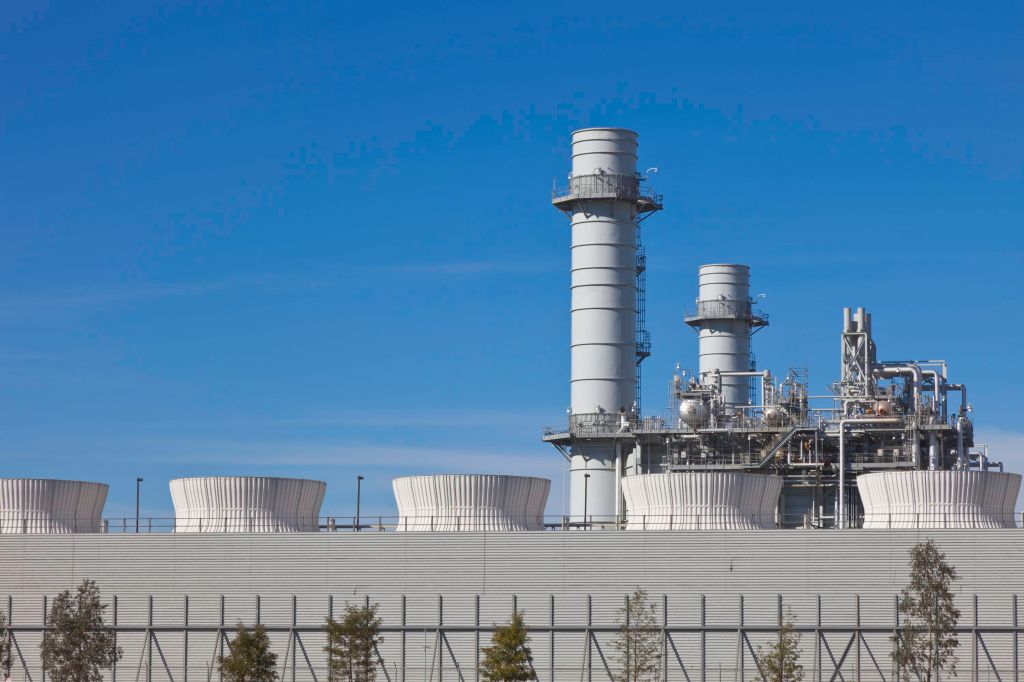
The true environmental impact of AI includes water used in electricity generation and chip manufacturing — areas that Nvidia’s system does not address. Fossil fuel power plants, which supply a large portion of data center electricity, are among the most water-intensive industries in the U.S. Natural gas and coal plants require massive amounts of water for cooling, and even renewable energy sources like hydropower contribute to water use through evaporation. Meanwhile, the production of advanced chips, including those used in AI, involves complex processes that consume significant amounts of water.
- Fossil fuel power plants consume 2.7 billion gallons of water per day in the U.S., mostly for evaporative cooling.
- Natural gas plants use 1.17 liters of water per kilowatt-hour of electricity, while coal plants use 2.2 liters per kilowatt-hour.
- Hydropower reservoirs lose 6.8 liters of water per kilowatt-hour due to evaporation.
- In contrast, wind and solar use 0.01 and 0.03 liters per kilowatt-hour, respectively, when accounting for manufacturing and maintenance.
These figures highlight a stark contrast between the water usage of different energy sources. Yet, despite the push for renewables, the International Energy Agency (IEA) projects that fossil fuels will continue to supply over 40% of new electricity needed for data centers through 2030. This means that even with the most efficient cooling systems, the water problem for AI remains unresolved if the energy mix doesn’t shift.
A System-Level Fix Is Needed
Nvidia’s approach is a clever engineering solution, but it’s a partial fix in a system where the biggest environmental costs lie outside the data center. If AI is to become more sustainable, the industry must look beyond server rooms and address the entire supply chain — from raw material extraction to energy generation. This includes investing in cleaner energy infrastructure, water-efficient manufacturing, and regenerative cooling technologies that reduce the need for evaporative cooling at the power source.
Without a holistic approach, the focus on data center-level efficiency risks becoming a distraction. The future of AI will depend not just on how well we cool our servers, but on how we power them — and whether we can do so with minimal environmental cost.