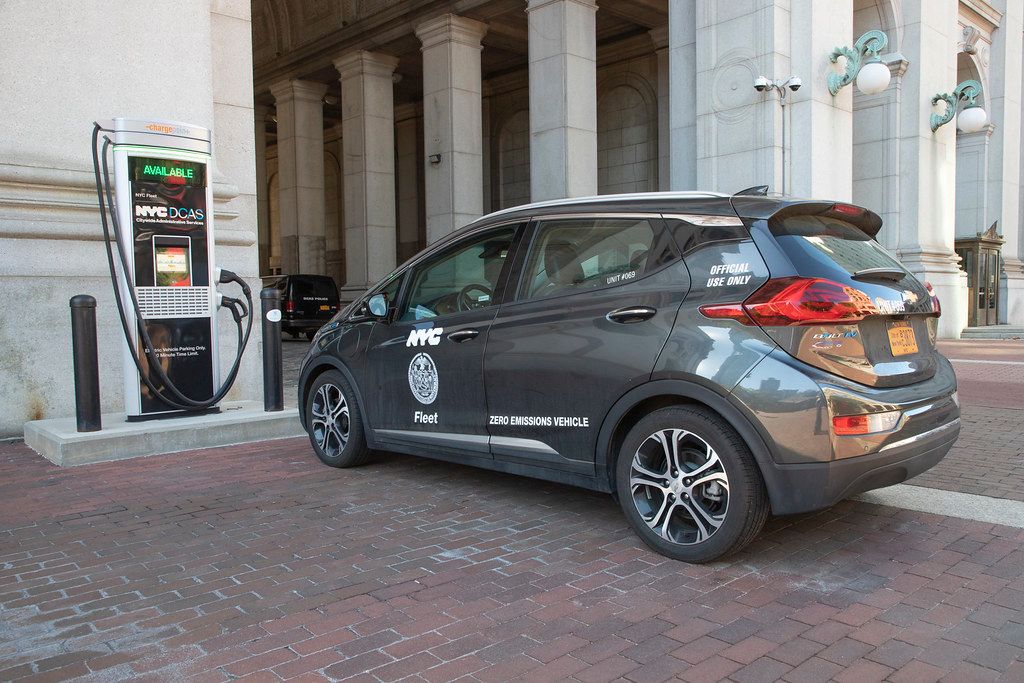
A Bicoastal Coalition for Electric Infrastructure
In a strategic move designed to stabilize the transition away from internal combustion engines, New York City and Los Angeles are teeing up a powerful alliance to drive electric vehicle adoption within their municipal fleets. This coordinated effort signals more than just local policy shifts; it represents a determined push to create guaranteed demand for electric vehicle manufacturers across two of the nation’s most critical economic hubs.
By leveraging their combined geographic and political influence, these jurisdictions are not merely adopting personal vehicles but are redefining the backbone of urban infrastructure. This includes emergency services, waste management, and public transportation networks. The collaboration aims to keep electric vehicle producers focused on the public sector, providing the predictable demand signals necessary for sustainable industry growth.
Strategic Targets and Regional Mandates
The partnership is guided by distinct, ambitious timelines tailored to each region's unique operational needs. These targets serve as anchors for the broader goal of fleet electrification:
- New York City: Local mandates are driving toward full electrification of light and medium-duty municipal assets by 2035, with heavy-duty trucks following by 2038.
- Los Angeles County: The county has established a comprehensive goal for complete fleet electrification by 2045, a massive undertaking given the sheer volume of its current vehicle inventory.
The combined purchasing power of these two entities is intended to force stability upon manufacturers who require long-term commitment certainty. By aggregating demand, NYC and LA are effectively using governmental buying power to mitigate the risks associated with rapid technological flux in the automotive industry.
Overcoming Infrastructure and Technical Hurdles
Realizing these ambitious goals requires more than setting deadlines; it demands overcoming significant supply-chain obstacles and technical barriers. The transition is not without its challenges, particularly regarding specialized vehicle types and robust charging infrastructure planning.
Specialized Vehicle Procurement
Not every necessary public service vehicle has readily available, purpose-built electric alternatives. Specific models, such as fire department pumper trucks or heavy-duty snowplows required in certain climates, remain difficult to source in EV formats. Procuring EVs that meet precise municipal specifications—such as size and payload capacity—remains a significant manufacturing hurdle.
Grid Resilience and Power Management
Charging infrastructure is a critical choke point for success. Successful implementation relies on resilient power management planning to ensure continuous operation during grid stress. Key considerations for these massive rollouts include:
- Load-Balancing Strategies: Developing robust backup systems for charging depots is non-negotiable for sustained operations.
- Workforce Retraining: The human element is vital; maintenance crews must transition from fossil fuel mechanics to high-voltage EV specialists.
- Operational Integration: Integrating EVs into daily workflows requires adapting union protocols around new vehicle data streams and managing employee buy-in.
The Strategic Advantage of Municipal Fleets
Beyond the initial purchase order, the true value of this partnership lies in operationalizing electrification. Fleet managers recognize a strategic advantage in municipal adoption because their usage patterns are highly predictable. Unlike private consumers who may hesitate due to range anxiety for long road trips, city fleets operate within defined service zones.
This predictability allows for more efficient energy management and scheduling, reducing the operational friction often associated with early EV adoption. Anecdotal evidence suggests that once initial skepticism gives way to hands-on experience, enthusiasm builds rapidly among end-users.
Financial and Operational Benefits
The financial incentives provide a compelling case for immediate adoption, balancing the high upfront costs of vehicles with long-term savings:
- Reduced Fueling Costs: Electric powertrains offer significant savings on energy compared to traditional gasoline or diesel.
- Lower Maintenance Overhead: With fewer moving parts, EVs require less frequent and less complex maintenance than traditional engines.
However, this cost-saving calculus must be carefully managed against the need for employee buy-in and the adaptation of existing operational protocols.
A Blueprint for Future Urban Policy
The trajectory indicates that large government entities are acting as essential stabilizing forces in an industry undergoing rapid change. The partnership between NYC and LA represents a sophisticated model of demand aggregation, effectively using their collective weight to accelerate the availability and affordability of electric vehicles.
Should other major urban centers observe the synergy achieved by these two titans, their blueprint for aggressive, coordinated fleet decarbonization could become the next industry standard. This bicoastal coalition is not just fighting for EVs; it is fighting for the future resilience of urban infrastructure.