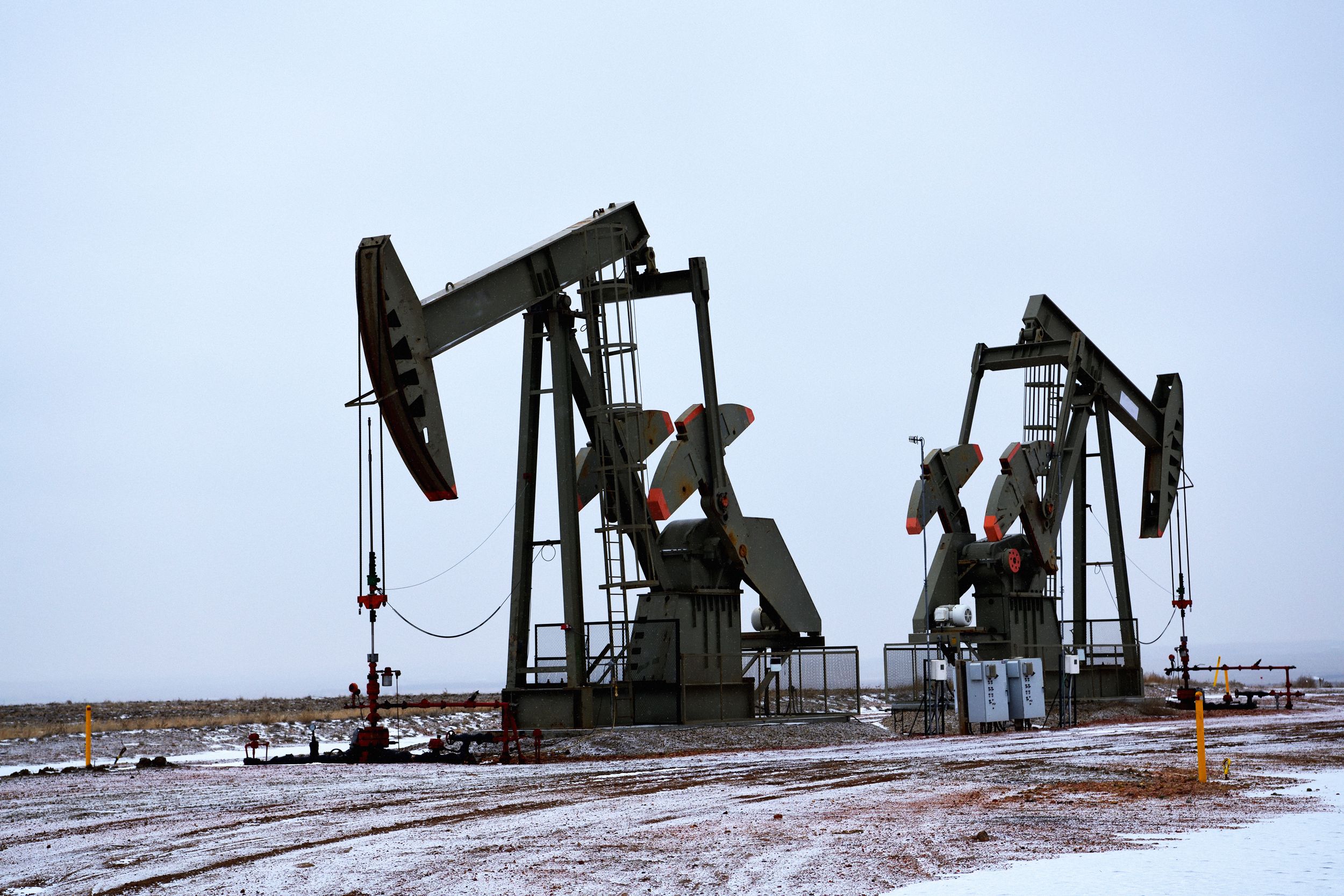
The hiss of steam rising from an old well's surface evokes a visceral image of industrial legacy meeting modern necessity. As communities across the United States confront the dual challenge of abandoned infrastructure and urgent climate goals, a new opportunity is emerging. Millions of disused oil and gas wells dot the landscape; many are silent, but they often continue to leak methane or threaten groundwater quality.
The concept that old oil and gas wells could find second life producing clean energy is no longer merely speculative. It has become an emerging frontier where engineering ingenuity meets environmental pragmatism, turning potential liabilities into sustainable assets.
The Technical Foundations of Repurposing Wells
Converting legacy infrastructure for modern use relies on sophisticated thermal engineering. By utilizing existing boreholes, developers can tap into subsurface heat without the massive capital expenditure required for new drilling.
Key technical aspects include:
- Geothermal systems: These convert subsurface heat into electricity or direct heating by circulating fluids through drilled wells.
- Cost reduction: Utilizing existing wells significantly lowers initial drilling expenses since much of the infrastructure is already in place.
- Regulatory updates: Modern frameworks are being updated to streamline permits and safety checks specifically for conversion projects.
Economic and Environmental Implications
The transition toward a greener grid requires reliable, constant power. While wind and solar are vital, they remain intermittent; this is where repurposed wells offer a unique advantage by providing baseload power.
States such as Oklahoma and Alabama have already taken the lead, introducing legislation that enables oil companies and startups to retrofit wells for geothermal use. These initiatives leverage existing data from past exploration efforts to minimize risk. However, significant hurdles remain:
- Thermal limitations: Low temperatures in many older wells require advanced, expensive heat-exchange technology.
- Subsurface assessment: Economic viability depends on highly precise geological modeling.
- Permitting complexity: Robust and efficient permitting processes are essential to attract private investment.
The Path Toward Scalable Clean Energy
For the industry to move beyond small-scale experiments, several sectors must align to prove that old oil and gas wells could find second life producing clean energy on a national scale. Current progress is being driven by localized successes and evolving policy.
Pilot Programs and Proof of Concept
Projects in Oklahoma and Pennsylvania are currently demonstrating the viability of this technology. These pilot programs have successfully supplied geothermal heat to schools and greenhouses, proving that the tech works in real-world applications.
Policy and Innovation Priorities
Bipartisan support suggests a broader strategy to decarbonize the economy without prematurely abandoning existing infrastructure assets. To achieve mainstream adoption, research must prioritize:
- Development of cost-effective materials for well lining.
- Enhanced leak mitigation techniques.
- Seamless integration with existing power grids.
The convergence of legacy assets and new energy demands underscores a fundamental shift in how we view industrial decline. Instead of seeing abandoned wells as an endpoint, we can view them as a catalyst for reinvention. By overcoming technical and regulatory hurdles, the United States may transform its oil-and-gas heritage into a cornerstone of a sustainable, climate-conscious economy.