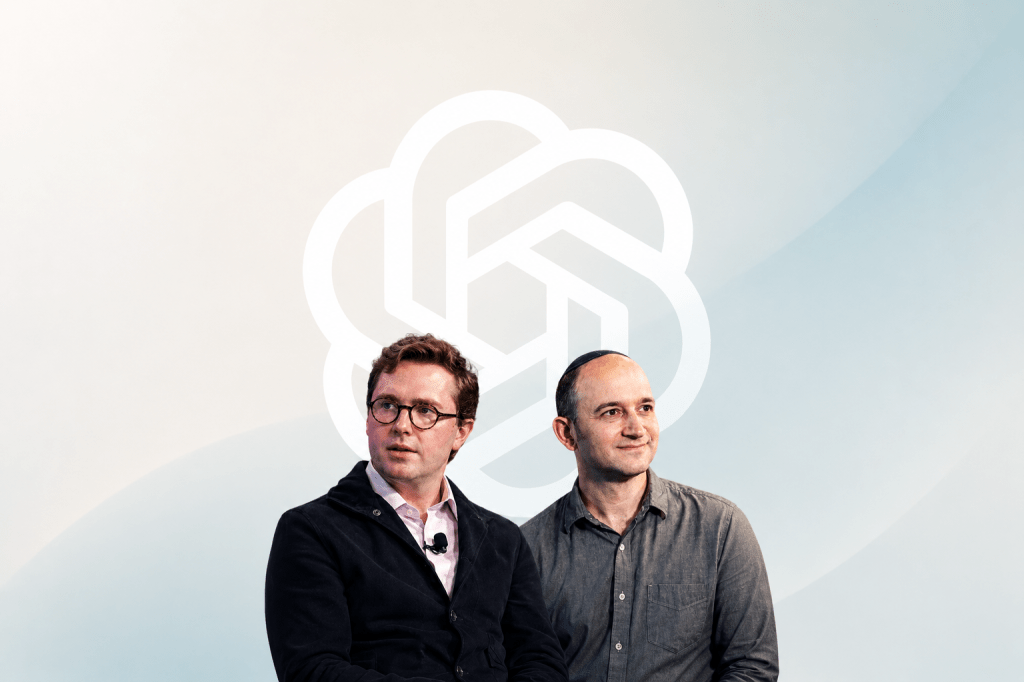
OpenAI is bringing on some big guns in the lead-up to its IPO
OpenAI is bringing on some big guns in the lead-up to its IPO, signaling a major shift in its strategy as it prepares to go public. The company has recently hired Noam Shazeer and Dean Ball, two high-profile figures who bring deep technical and policy expertise to the table. These additions are more than just personnel updates—they represent a calculated effort to solidify OpenAI’s position as a leader in both AI innovation and governance. As the firm moves closer to a public offering, the implications for the future of artificial intelligence could be profound.
A Power Move in the AI Talent Wars
OpenAI’s acquisition of Noam Shazeer, a pivotal figure in the development of modern generative AI, underscores the company’s ambition to not only match but surpass its competitors in technical and strategic depth. Shazeer’s legacy includes the creation of the Transformer architecture, a breakthrough that underpins nearly all major large language models today. His departure from Google was no small move — the tech giant reportedly paid $2.7 billion to reacquire his expertise, suggesting that his knowledge is a highly contested asset in the AI arms race. Now, with Shazeer’s arrival, OpenAI is strengthening its technical bench at a critical moment.
Building Policy Credentials for the Future
Equally significant is the hiring of Dean Ball, a former White House AI policy advisor who played a key role in shaping America’s AI Action Plan. Ball’s background in government policy adds a layer of legitimacy and political acumen to OpenAI’s operations, which has previously operated under a veil of ambiguity regarding its regulatory engagement. His new role as head of the Strategic Futures team is designed to guide OpenAI’s leadership in navigating complex policy challenges, from catastrophic risks of AI to the evolving relationship between AI firms and governments. This move is particularly timely as Anthropic faces export restrictions from the U.S. government, highlighting the growing influence of policy experts within the AI sector.
Ball’s team will focus on internal governance and public-facing policy. The role emphasizes AI’s societal and economic impact. OpenAI is positioning itself as a leader in both innovation and regulation.
The implications of these hires extend beyond corporate strategy. As AI systems become more capable and autonomous, the need for robust governance frameworks has never been more urgent. Ball’s statement that “internal governance will be more central to the future of AI than most people realize” reflects a growing consensus that the companies developing these systems must also define their ethical and operational boundaries. This is not just a boardroom concern — it’s a question of global relevance.
A New Era for AI Governance
With its technical and policy teams bolstered, OpenAI is poised to become a central player in the next phase of AI development. The company’s IPO, when it arrives, will likely be one of the most scrutinized in tech history, given the scale of its ambitions and the regulatory challenges it faces. Whether OpenAI can balance innovation with accountability remains to be seen, but its latest hires suggest that the company is preparing for a future where AI is not just a tool, but a force that must be guided — carefully and deliberately — by those who understand both its power and its peril.