How to Opt Out of Google Search’s New AI Data Training Feature
A user in Paris recently received an email from Google titled “New privacy settings for Search services,” which outlined a change in how the company would collect and use data from its users. The message was clear: personal interactions with Google Search—like uploading an image for a reverse search—could now be retained for AI model training. It wasn’t a minor tweak. It was a shift in how user data is leveraged, and for many, it raised the question: Do I really want my photos, voice recordings, and search history fueling the next generation of AI?
Understanding the New AI Data Training Feature in Google Search
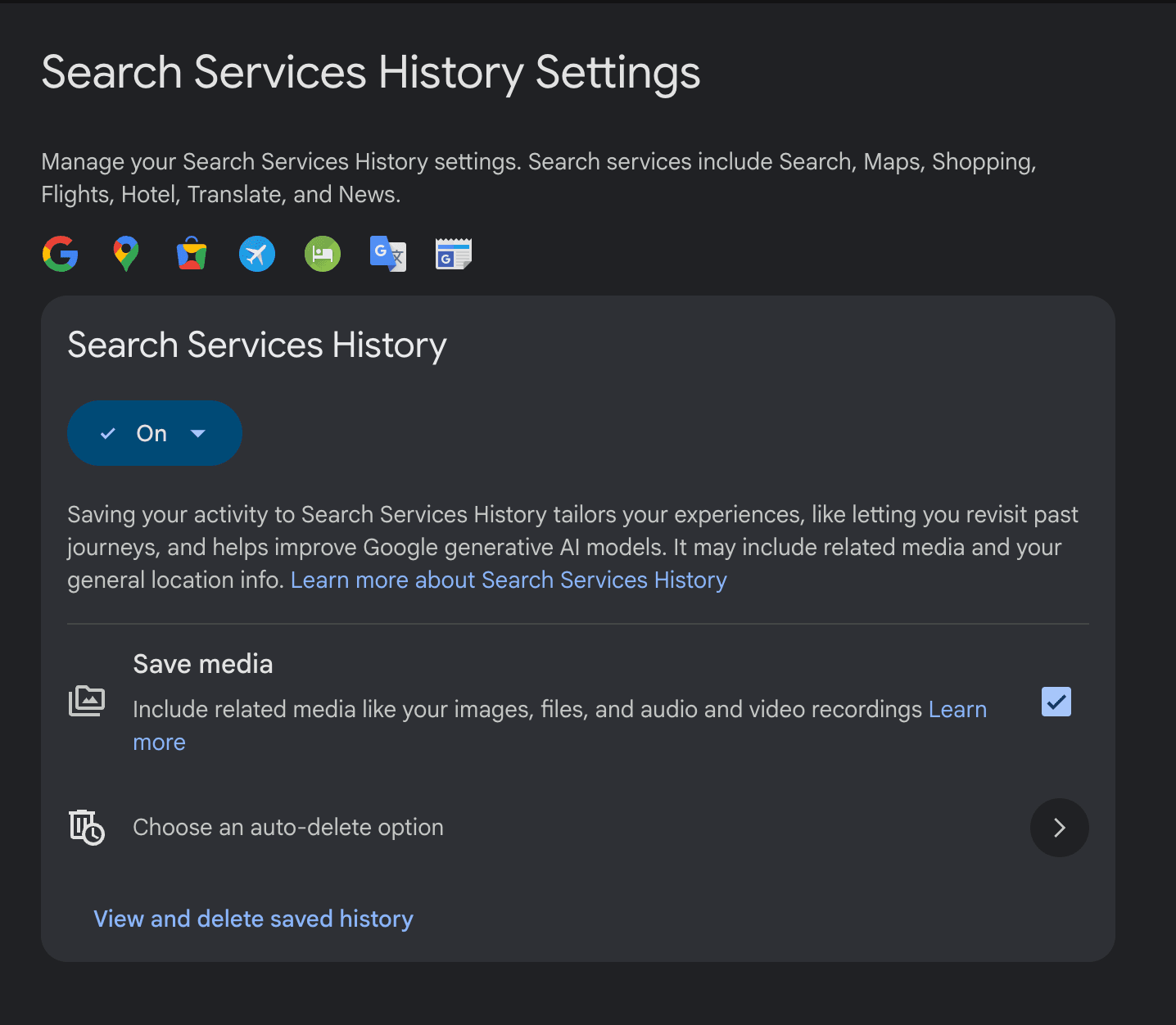
Google’s recent update introduces a new setting called Search Services History, which allows users to control whether their media uploads—such as images, audio, and video—are retained for AI training purposes. By default, this option is enabled, meaning that unless users take action, their data will be stored for up to four years. This includes any content uploaded during reverse image searches, voice searches, or interactions with Google Lens and Translate.
The types of data that can be collected include:
- Google Lens images used for visual searches
- Audio recordings from voice searches or Translate speaking practice
- Video or audio from Search Live interactions
- Files or content uploaded through the Search interface
For users who value their privacy, the ability to opt out is critical. While Google claims the data is anonymized and disconnected from user accounts, the long-term retention period raises concerns about the scale and scope of data being used for AI development.
Why Opting Out Matters
The default-on approach to data collection is increasingly common in the tech world. Companies like Google argue that it's for the benefit of users—improving AI models leads to better search results, voice recognition, and visual search capabilities. However, for many, the trade-off is not worth the risk.
Users are often left to navigate complex privacy settings, and the opt-out process is not clearly communicated in promotional materials. Data retention periods are long, even after users delete their activity.
Thorin Klosowski, a senior security and privacy activist at the Electronic Frontier Foundation, says the default-on model places the burden on users to actively protect their data. “It's the least they can do to ask users to consciously enable these features,” he argues, adding that companies should be more transparent about the benefits of data sharing.
A Forward-Looking Take on Privacy and AI
As AI continues to evolve, so will the ways in which companies collect and use user data. The trend of default-on settings for data collection is unlikely to reverse, but users can still take control of their information by understanding the options available.
Google’s Search Services History setting is just one example of the growing complexity in digital privacy. With each update, the line between convenience and surveillance blurs further. For now, users who want to avoid contributing their personal data to AI training can navigate to their My Activity page, locate the Search Services History tab, and uncheck the Save media box. It’s a small step in a world where data is the new oil—but it’s a step worth taking.