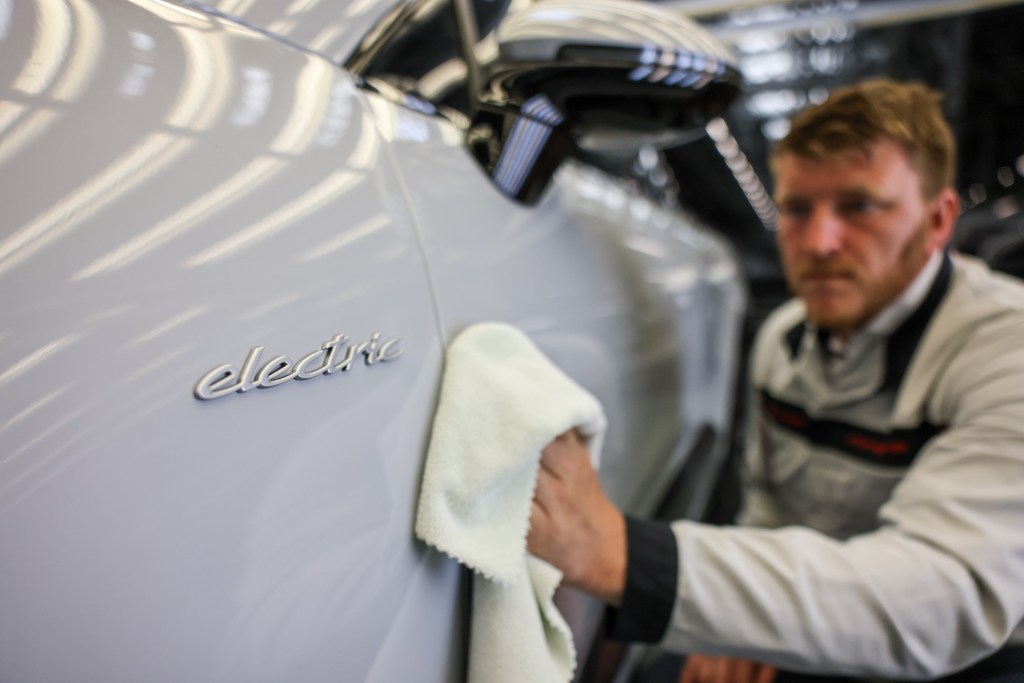
Porsche is undergoing a massive strategic pivot, making the difficult decision to shutter e-bike, battery, and software subsidiaries to streamline its global operations. This corporate overhaul marks a significant shift in how the luxury automaker allocates its resources, moving away from peripheral ventures to protect its core identity.
The restructuring aims to consolidate focus on high-performance automotive engineering while navigating a volatile global market. By divesting from these specialized units, Porsche is attempting to fortify its margins and ensure long-term profitability amidst changing consumer demands.
Strategic Realignment of Cellforce and Cetitec
As part of this sweeping reorganization, the company is fundamentally changing how it handles technical development. The Cellforce Group, which was originally tasked with developing proprietary battery cells, is being transitioned into a dedicated research and development hub. This move follows significant delays in the Macan Electric program and broader struggles to meet EV sales targets in critical markets like North America and China.
Furthermore, Porsche has shuttered Cetitec, a subsidiary specializing in networking software and vehicle-to-infrastructure (V2I) communication. The closure of these units highlights several key shifts:
- Software Integration: A move toward internalizing software teams rather than relying on external subsidiaries to manage digital capabilities.
- Battery R&D: Reframing Cellforce as an R&D entity to preserve technical talent without the overhead of mass production.
- Operational Control: Ensuring tighter control over data security and user experience in upcoming electric models.
Impact of Shuttering E-Bike, Battery, and Software Subsidiaries
The decision to shutter e-bike, battery, and software subsidiaries will have a tangible impact on the workforce, affecting more than 500 employees. While this has raised concerns within the Stuttgart ecosystem, management maintains that these cuts are essential for refocusing on high-margin sectors like hybrid systems and premium automotive design.
The financial necessity of this overhaul is driven by recent performance data. Porsche has faced notable sales declines in key regions:
- North America: Sales fell by 11%.
- China: Sales saw a sharp decline of 21%.
By shedding non-core assets, Porsche intends to redirect capital toward its most profitable segments, specifically high-margin sports cars and plug-in hybrids.
Future Outlook for Electric Mobility
Despite the dissolution of these specific units, Porsche’s commitment to electrification remains intact. The company is still moving forward with ambitious projects, including an all-electric Cayenne and various other EV variants planned for release this year.
While the e-bike program served as a unique testing ground for agile development cycles, its closure signals that Porsche is prioritizing scale and performance over micro-mobility. This strategic reallocation ensures that the brand can balance its traditional engineering ethos with the rapid technological transformations required by the modern automotive landscape.