Running eighty miles through the rugged terrain of the Italian Apennines demands a paradoxical balance between abundance and restraint. To conquer such a distance, your running gear must be meticulously curated; a complete kit that weighs under ten pounds must simultaneously sustain extreme physical exertion and essential safety protocols.
This journey is not merely about carrying less weight. It is a disciplined choreography of necessity, choice, and preparation. Every piece of equipment serves a specific purpose in an evolving philosophy where each adventure refines the art of distillation.
The Essential Gear List for Ultra-Endurance
When preparing for a long-distance mountain run, every gram counts. My kit focuses on high-performance items that provide reliability without unnecessary bulk.
- Footwear: The Diadora Nucleo 2 GR provides resilient cushioning and an expansive toe box. It handles mixed terrain with unexpected confidence, even as the weight of supplies increases.
- Navigation & Safety: For off-grid reliability, the Fenix 8 Pro is indispensable, providing robust GPS, extended mapping, and critical emergency satellite features. I also carry a Forerunner 970 as a dependable backup.
- Audio Motivation: The Samsung Galaxy Buds4 Pro deliver a secure fit and robust sound. Their rapid charge capabilities allow for music and clear calls without the need for multiple heavy devices.
- The Pack: The Silva Strive 23 excels in durability and organized compartmentalization. Its adjustable support and expandable design comfortably accommodate three days of essentials.
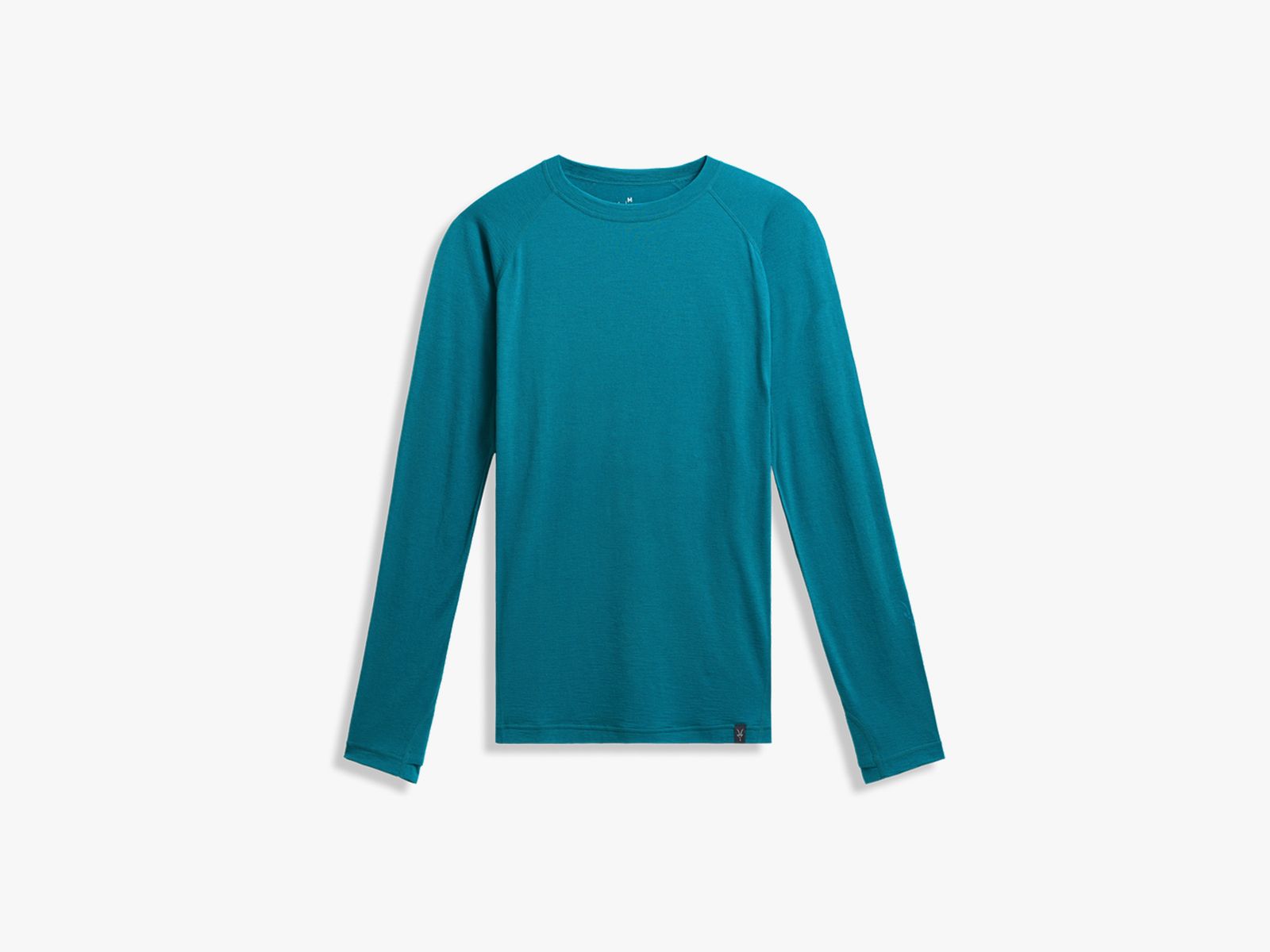
- Clothing & Quick Access: I rely on Janji Trail Half Tights, which feature six stretchable thigh pockets. This allows for instant access to a phone, snacks, and power banks mid-stride.
- Nutrition Strategy: To maintain energy, I use Precision Fuel & Hydration PF30 chews for essential carbs. Electrolyte tablets are integrated into my hydration systems to avoid added bulk.
Health, Safety, and Tactical Optimization
A minimalist kit cannot afford to omit critical safeguards. Even when focusing on weight reduction, certain medical and emergency supplies are non-negotiable for an 80-mile trek through the mountains.
To manage physical friction, 2Toms Sportshield is applied liberally to high-risk zones to prevent debilitating chafing. My medical kit remains compact but functional, containing iodine patches, gauze, and hypodermic needles for immediate blister care. For emergency redundancy, I carry a whistle, a compass, and a signaling mirror.
Managing Nutrition and Hydration
Maintaining steady energy levels is a matter of logistics. I manage hydration via hard flasks secured in harness bottle holsters, a configuration that prevents spillage and optimizes portability during technical sections. To combat unpredictable delays, I keep a small stash of calorie-dense food within easy reach.
Strategic Weight Distribution
Every choice made during the packing process impacts performance. Every gram matters, so redundancy is eliminated wherever feasible. Clothing choices prioritize moisture-wicking properties to ensure comfort over consecutive days.
Furthermore, strategic weight distribution in the pack is vital for enhancing comfort on steep descents and uneven sections. By placing quick-access items—such as fuel packs, a headlamp, and charging modules—in the front storage, I can perform swift retrievals without needing to stop my momentum.
The Italian Apennine run underscores that mastery emerges not from excess, but from deliberate selection. Each item carries clear utility, supporting endurance without compromising agility. By merging proven technology with tested personal practice, you can transform an ambitious distance into an achievable reality.