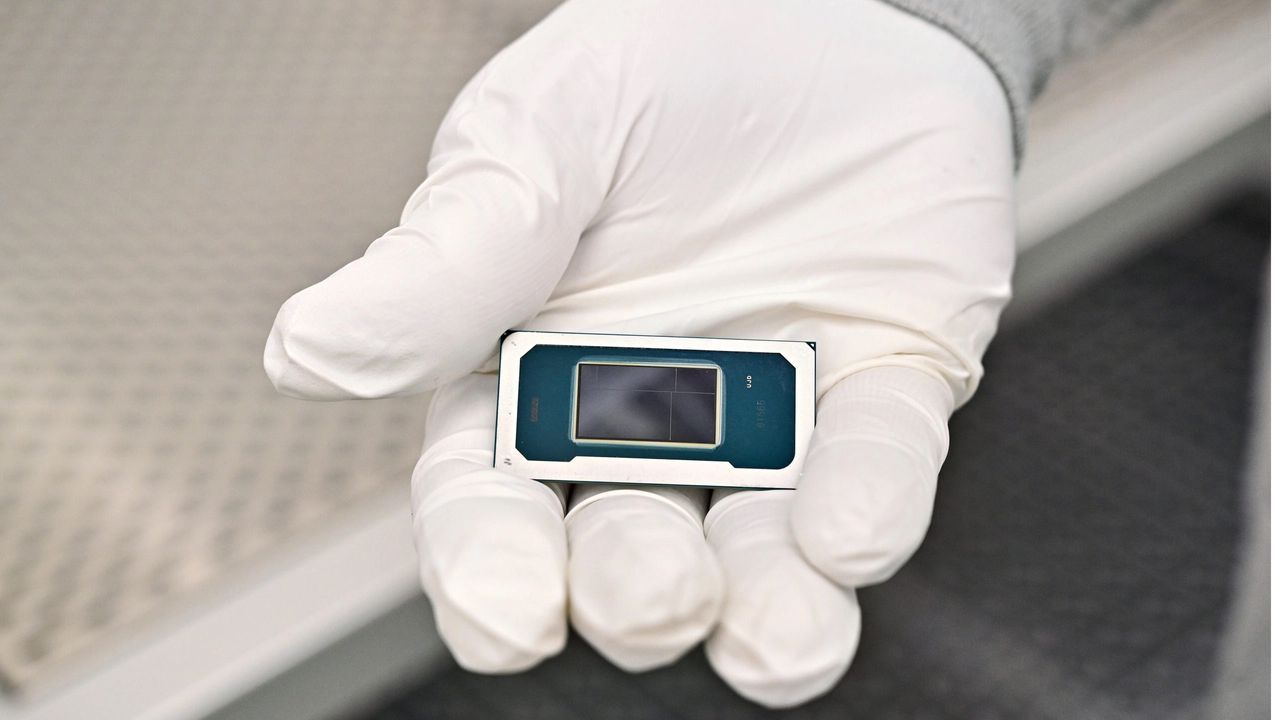
Panther Lake's Powerful iGPU: A Missed Opportunity for Affordable Gaming
At Computex, AI has become an omnipresent force, shaping discussions and decisions in the tech industry. While this focus on artificial intelligence is understandable, it has had unintended consequences, particularly in the realm of hardware development and pricing. The DIY PC market has seen a significant decline—around 30 to 40%—and this trend is echoed in the rising costs of devices like the Steam Deck, the elusive Steam Machine, and even the MSI Claw, which is expected to cost $1,500. These trends suggest that some of the most promising Intel Panther Lake processors may never make it into consumer laptops, despite their potential.
The top Panther Lake chips are equipped with the 12 Xe-core B390 iGPU, a powerful graphics component that also appears in the Intel Arc G3 Extreme processors. Tom Petersen from Intel describes this GPU as having "an integrated CPU," highlighting its impressive capabilities. However, there's another option in the lineup: the B370 iGPU. This integrated graphics chip is found in the Core Ultra 5 338H and features 10 Xe cores, offering a similar level of gaming performance but at a more affordable price point.
When Intel first announced Panther Lake, the B370 iGPU was the component that generated the most excitement. It promised high gaming performance in a budget-friendly package, making it ideal for an affordable Core Ultra Series 3 laptop. Unfortunately, it seems that this version may never reach the market.
The Impact of DRAM Prices on Hardware Decisions
During a demo of the new Intel Arc G3 Extreme across various handheld devices, including the MSI Claw, Acer Predator Atlas 8, and OneXPlayer 3, I asked Petersen if any manufacturers would use the standard Arc G3 chip. His response was uncertain, but he acknowledged the current state of the DRAM market. The price difference between the B370 and B390 iGPU is minimal compared to the cost of the required LPDDR5x memory, which operates at least 7467 MT/s or faster. This makes it more cost-effective for manufacturers to opt for the higher-end graphics core rather than the cheaper alternative.
This reasoning is echoed by Nirav Patel, CEO of Framework, who explained that the company chose not to offer the B370 version of Panther Lake in the Framework 13 Pro. "We basically decided that if we go all the way to the X versions, let's just get the full GPU capability," Patel said. This decision was influenced by the overall cost-benefit analysis of the components, where the difference in CPU cost between the B370 and B390 is negligible compared to the expense of the high-speed memory.
Patel further clarified that the company focuses on finding the right balance between performance and cost. For the Core Ultra X7, they aim to provide the full GPU capability, ensuring that users get the best possible solution. If a customer is looking for the X9 version, it's because they want that last few percent of performance, a feature that justifies the higher cost.
In conclusion, while the powerful iGPU options in the Panther Lake lineup are impressive, the current market conditions make it unlikely that the more affordable B370 version will ever reach consumers. The impact of AI on DRAM prices and overall hardware costs is a major factor in these decisions. As the market normalizes, it remains to be seen whether more affordable options will emerge, but for now, the dream of affordable Panther Lake laptops with the B370 iGPU may remain just that—a dream.