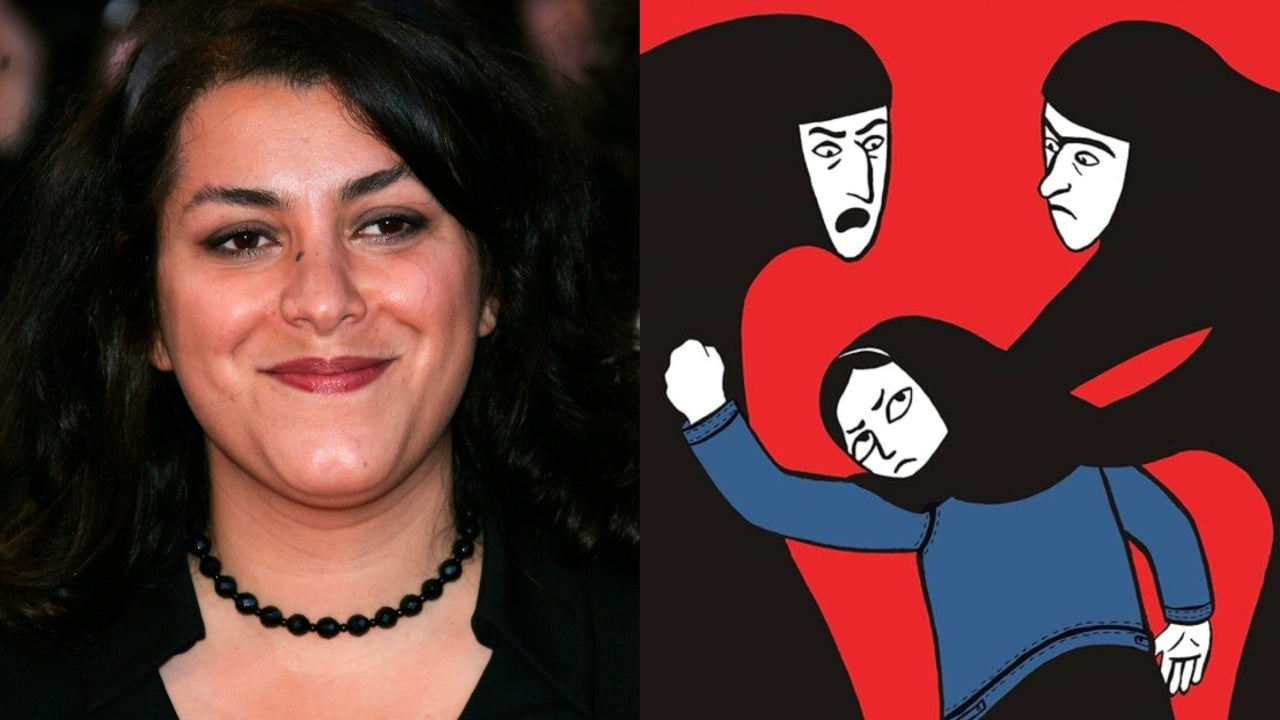
Persepolis Creator Marjane Satrapi, Acclaimed Cartoonist and Filmmaker, Dead at 56
Marjane Satrapi, the acclaimed cartoonist and filmmaker best known for her Persepolis graphic novels, has passed away at the age of 56. A statement from close friends and family was shared with France's AFP newswire, which noted, “Marjane Satrapi died of sadness a little over a year after the death of Mattias Ripa, her husband and the love of her life.”
Satrapi, a French-Iranian artist, gained international recognition with the release of Persepolis in the early 2000s. The graphic novel series chronicles her turbulent childhood and early adulthood during and after the Iranian Revolution. Alongside Art Spiegelman’s Maus, Persepolis is widely considered one of the most impactful biographical comics ever published.
A Global Impact Through Art and Film
Originally released in four volumes in France between 2000 and 2003, Persepolis was later translated into English and published in two volumes in the U.S. with the help of her late husband, Mattias Ripa. The graphic novel’s success paved the way for a broader audience, and in 2007, Satrapi co-wrote and co-directed the animated feature film adaptation of Persepolis. The film was nominated for Best Animated Feature at the 80th Academy Awards, marking a historic moment as Satrapi became the first woman to receive such a nomination.
Satrapi’s creative output extended beyond Persepolis. In 2004, she published Chicken With Plums, a graphic novel based on the final days of one of her relatives. The story was later adapted into a live-action film, with Satrapi reuniting with co-writer and co-director Vincent Paronnaud.
A Legacy of Activism and Film
In the years that followed, Satrapi remained an active filmmaker, contributing to projects such as Gang of the Jotas (2012), The Voices (2014), and Radioactive (2019), a biopic about physicist Marie Curie. Her work often reflected her deep engagement with political and social issues, particularly those affecting women and marginalized communities.
Satrapi was also a vocal feminist and political activist. In 2025, she refused the Légion d’honneur award from the French government, criticizing France’s inconsistent policies toward Iran and its lack of support for Iranian refugees. Her decision highlighted her unwavering commitment to speaking truth to power and advocating for change.