Polymarket and Kalshi Say Influencer Partners Can’t Deny Election Results, Actually
The Los Angeles mayoral election, which saw incumbent Karen Bass secure victory, has become a focal point in a growing controversy involving prediction markets and their ties to political commentators. Both Kalshi and Polymarket have taken a firm stance, requesting several right-wing influencers to remove posts questioning the legitimacy of the election results. This move signals a tightening of their content moderation policies and highlights the increasing scrutiny of how prediction markets interact with political discourse.
Paid Partnerships Under Scrutiny
Social media posts questioning the integrity of the election were labeled as "paid partnerships" by the influencers involved. Kalshi and Polymarket have since demanded the removal of these posts, citing internal guidelines that prohibit affiliates from casting doubt on the accuracy of official election outcomes. This move highlights a broader concern: the potential misuse of prediction markets by individuals who may spread misinformation under the guise of promotional content.
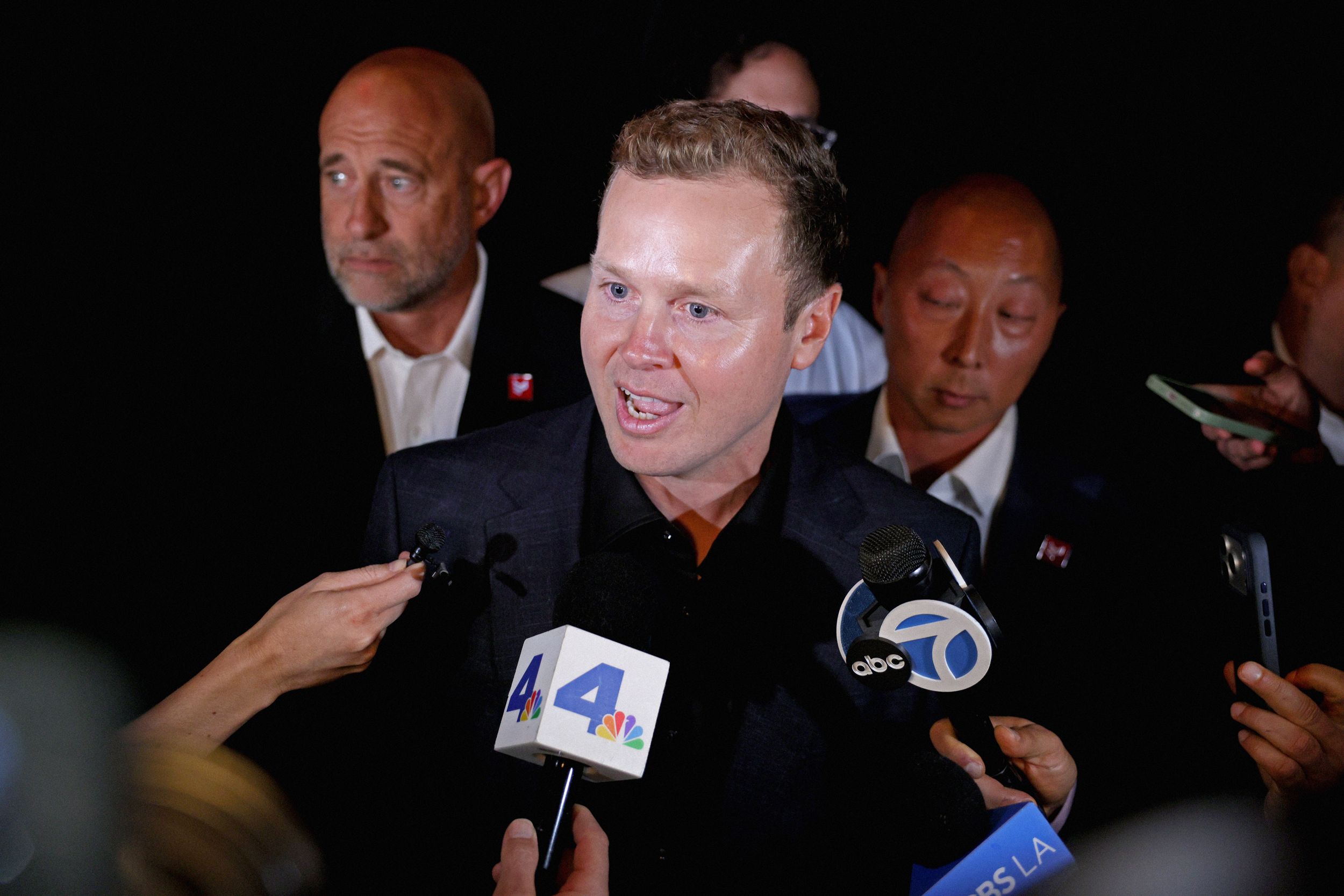
Gunther Eagleman, a MAGA influencer with over 1.7 million followers, claimed that Pratt’s opponents were "stealing" the election. Benny Johnson, another right-wing commentator, suggested that Democrats might have rigged the election, a post that was tagged as paid content until June 8. Both companies confirmed they have taken steps to enforce their guidelines, even if enforcement remains inconsistent across platforms.
Legal and Regulatory Challenges
Kalshi and Polymarket are now at the center of a legal and regulatory maelstrom. Lawmakers across the country are pushing for stricter oversight, arguing that these platforms should be treated like gambling operations rather than commodities exchanges. This push is supported by ongoing lawsuits that seek to impose state gambling laws on prediction markets.
The CFTC has been actively monitoring these platforms for signs of insider trading and market manipulation. In a recent development, Polymarket’s chief marketing officer, Matthew Modabber, was reported to be paying creators directly via PayPal, a practice that raises questions about transparency and accountability. These legal pressures are compounded by concerns over how prediction markets may be exploited by bad actors to spread false narratives or manipulate outcomes.
The Risk of Entanglement
The incidents involving Kalshi and Polymarket underscore a deeper issue: the entanglement of prediction market firms with influencers who promote election denialism. The assumption that these creators will act responsibly in their promotional roles is increasingly being called into question.
While Kalshi and Polymarket have taken some steps to address the issue, many posts that question election integrity remain online. This has led to criticism that the platforms’ enforcement of guidelines is reactive and insufficient to address the broader problem. Experts warn that allowing such content to persist risks undermining public trust in both the platforms and the democratic process itself.
A Look Ahead
As the US heads into a highly contested midterm election season, the role of prediction markets in shaping public discourse is becoming more pronounced. The recent actions by Kalshi and Polymarket suggest that these companies are beginning to recognize the risks of association with election denialism, but their response remains fragmented and inconsistent.
With regulatory scrutiny intensifying and legal battles unfolding, the future of prediction markets will likely depend on their ability to enforce clear, consistent policies. The balance between free speech and election integrity is precarious, and the platforms will need to tread carefully to avoid becoming entangled in the very controversies they aim to facilitate. The challenge ahead is not just about content moderation—it’s about maintaining the credibility of the markets themselves.