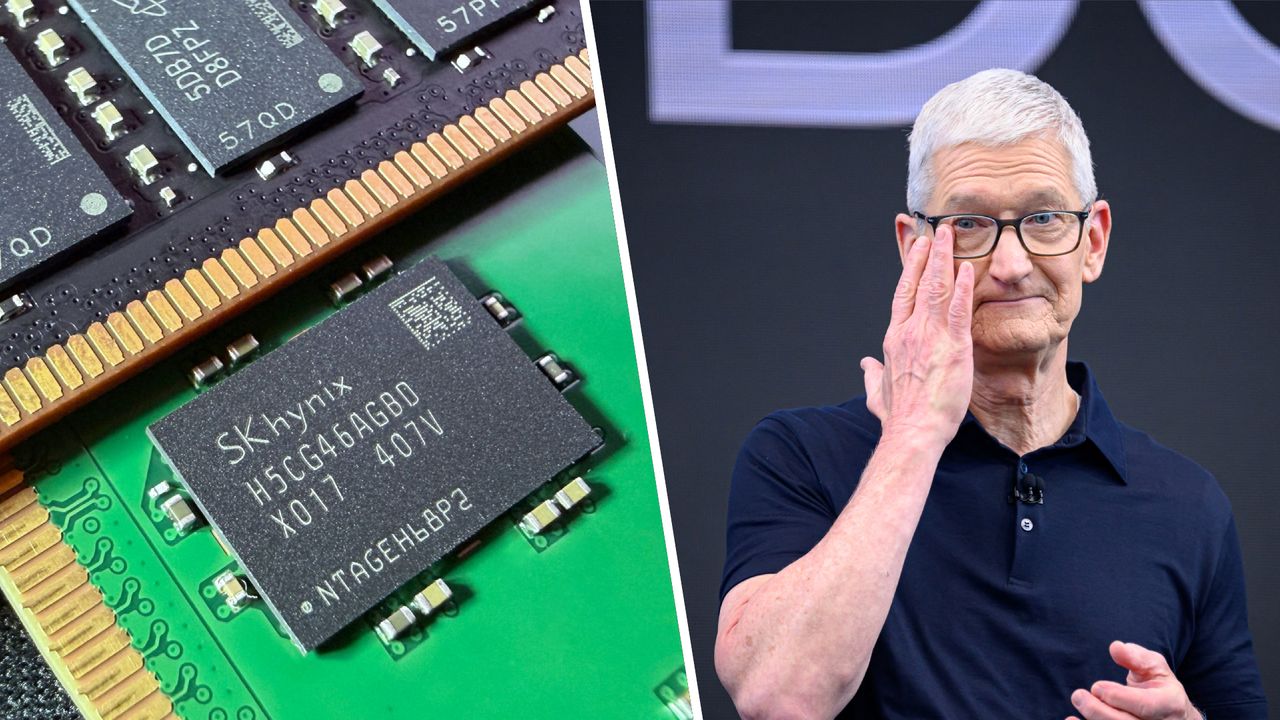
The RAM Crisis Hits Apple: Mac and iPad Prices Skyrocket Amid Component Cost Surge
Apple has finally had to confront the reality of the global RAM crisis. The tech giant, long known for its premium pricing and control over supply chains, has raised the prices of its Mac and iPad lines by hundreds of dollars. This move comes after the company acknowledged that component costs have surged to unprecedented levels.
The price increases are immediate and significant. The MacBook Air now starts at $1,299, up from $1,099. The MacBook Pro has climbed to $1,999, a jump from $1,699. Even the MacBook Neo is now priced at a minimum of $699, up from its original $599. Meanwhile, the iPad Air starts at $749, up from $599, and the iPad Pro is now $1,199, a $200 increase from its previous starting price. For those considering the high-end Mac Studio with M4 Max, the price has risen to $2,499, up from $1,999.
Until now, Apple had largely avoided the worst of the RAM crisis. The company’s deep relationships with suppliers and its history of pricing products for maximum profit helped it weather the rising costs. However, this time, even Apple’s influence appears to be insufficient. In a statement to the Wall Street Journal, the company admitted, “We have now reached a point where we need to begin raising prices. We have never seen a component price increase this much, this quickly.”
Apple’s Stance on Price Increases and the Future of iPhone Pricing
Apple has not raised the price of the iPhone, its most lucrative product, but the company has not ruled out doing so in the future. Outgoing CEO Tim Cook recently told the Wall Street Journal that “Unfortunately, price increases are unavoidable… we’ve been trying to shield our customers from the increases, but the situation has become unsustainable.”
Cook’s comments reveal the growing pressure on Apple to pass on rising component costs to consumers. He added, “We definitely need memory pricing and supply to return to reasonable levels for consumer products. That’s the bottom line.” These remarks align with industry sentiment, as companies across the board are grappling with the same supply chain challenges.
While Apple has always been known for its premium pricing strategy, the current crisis has forced the company to reconsider its approach. Whether this marks the beginning of a broader trend in price increases across the product line remains to be seen, but one thing is clear: the RAM shortage is no longer an issue that Apple can ignore.