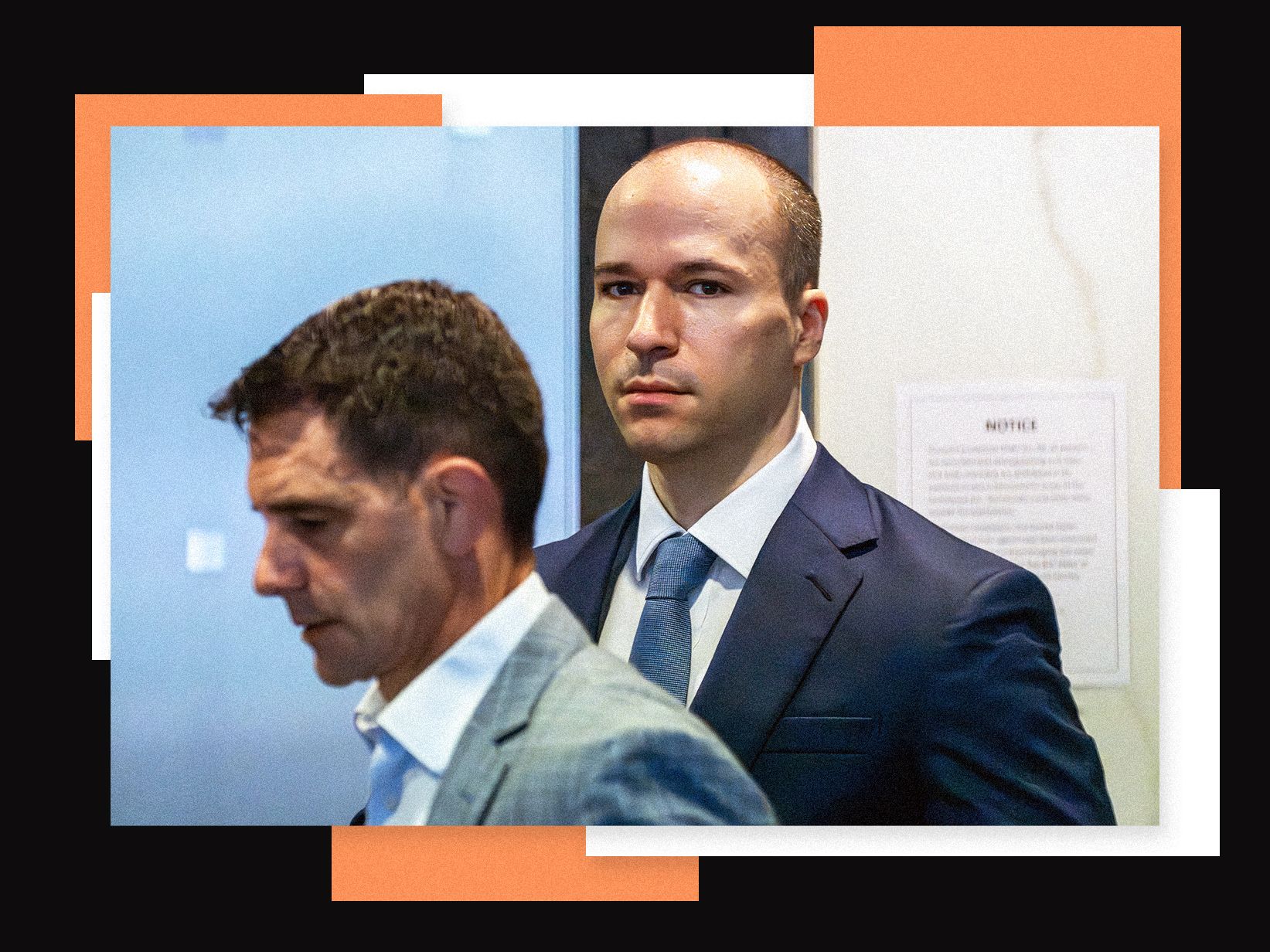
The journey from a small San Francisco apartment to a personal equity stake valued at $30 billion presents a staggering paradox for an organization originally founded as a non-profit entity. As OpenAI President Greg Brockman took the stand in federal court this week, the legal battle between Elon Musk and the AI pioneer shifted from abstract debates over artificial general intelligence (AGI) to the uncomfortable reality of massive wealth accumulation.
The $30B OpenAI Stake: "Blood, Sweat, and Tears"
During cross-examination in Oakland, Brockman revealed that his current equity stake in the company could be worth as much as $30 billion. This figure stands in stark contrast to the early days of the lab, when Brockman initially pledged a $100,000 donation to help establish the non-profit.
Musk’s legal team, led by attorney Steven Molo, attempted to frame this wealth as the result of "looting" the original mission that Musk himself helped fund. When pressed on why he had not donated his multi-billion dollar windfall back to the OpenAI foundation, Brockman offered a visceral defense. He testified that the immense value of his $30B OpenAI stake is the direct product of "blood, sweat, and tears" invested into the company’s growth since Musk’s departure.
The courtroom atmosphere remained tense as Molo questioned whether Brockman's failure to fulfill his original donation promise rendered him "morally bankrupt."
Structural Shifts and Mission Integrity
A central tension in the trial involves OpenAI's 2019 transition from a pure non-profit to a structure that includes a for-profit arm. This shift allowed for the creation of significant value for executives, even as the original foundation retained a massive stake. Brockman testified that the foundation itself holds an interest worth over $150 billion, suggesting that the organization's primary wealth remains tied to its mission-driven core.
The current distribution of power and ownership within the company is delineated as follows:
- The OpenAI Foundation maintains a 27% stake in the company.
- OpenAI Employees collectively hold approximately 25% of the shares.
- Individual Stakeholders, such as Brockman, hold significant interests that fluctuate based on market valuation and potential future IPOs.
Despite the legal scrutiny, Brockman maintained that his financial interests remain secondary to the pursuit of AGI that benefits humanity. He argued that this structural evolution has provided OpenAI with a "moral high ground" over competitors like Google DeepMind.
Conflicts of Interest in the AI Ecosystem
Beyond the immediate valuation of his shares, Brockman’s testimony brought new light to potential conflicts of interest within the industry. The trial revealed that Brockman holds personal investments in several companies that have entered into major partnerships with OpenAI, including:
- Cerebras
- CoreWeave
- Helion Energy
While such investments are common in Silicon Valley, they add complexity to the narrative of a mission-driven non-profit. Further complicating matters is the revelation that Brockman was initially compensated with a $10 million stake in CEO Sam Altman’s family office. Although Brockman testified that these ties were disclosed to Musk in 2017, the transparency of these financial interdependencies remains a focal point for the prosecution.
The verdict of this trial will serve as a bellwether for the entire AI industry. It will determine whether the path to AGI can coexist with massive private profit or if the "looting" of non-profit ideals will necessitate a complete restructuring of how frontier labs are governed. With an IPO potentially on the horizon in the next two years, the legal precedent set here will dictate the financial and ethical boundaries for every major player in the race toward superintelligence.