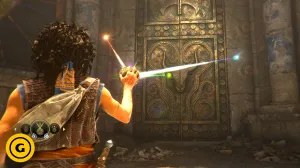
Resonance: A Plague Tale Legacy Combat and Exploration Gameplay
Over 18 million players have engaged with the A Plague Tale series since its debut in 2015, and the latest installment, Resonance: A Plague Tale Legacy, is poised to redefine the franchise with a bold shift toward direct combat and immersive exploration mechanics. Released on August 27, 2026, the game marks a significant evolution in the series, offering a more aggressive gameplay loop that diverges from the stealth-heavy roots of its predecessors. This new direction not only expands the franchise’s appeal but also introduces fresh challenges for players accustomed to the series’ narrative-driven, survival-focused gameplay.
A New Era of Combat in the A Plague Tale Universe
Resonance introduces a combat system that is more dynamic and fast-paced than any seen in the series before. Players take control of Sophia, a young protagonist whose combat style is both aggressive and cinematic, reminiscent of Uncharted's action sequences. The game’s developers have emphasized fluid movement, weapon variety, and enemy AI that reacts to player tactics, creating a more responsive and challenging experience. This shift is evident in the extended gameplay preview, where Sophia engages in brutal melee fights and strategic ranged combat, often with limited resources and high stakes.
The combat system is designed to feel both intuitive and punishing. Players must manage ammunition, health, and stamina carefully, as mistakes can lead to quick deaths. The game’s AI adapts to player behavior, making encounters more unpredictable and requiring constant adaptation. This blend of strategy and action sets Resonance apart from its predecessors, offering a more varied and intense gameplay experience.
Exploration Reimagined in a Plague-Stricken World
The exploration mechanics in Resonance are equally innovative, blending environmental storytelling with interactive world-building. Unlike earlier entries that focused on navigating dangerous terrain through stealth and survival, Resonance invites players to uncover secrets hidden in the decaying architecture of 14th-century Europe. Players can interact with objects, solve puzzles, and uncover lore that ties into the game’s themes of myth and fate. The 20-minute gameplay demo showcased a variety of environments, from crumbling castles to dense forests, each filled with visual and narrative depth.
Environmental puzzles require creative use of the game’s supernatural elements. For example:
- Players can use the Resonance ability to manipulate objects and reveal hidden pathways.
- Interactive elements are woven into the world, encouraging experimentation and discovery.
- Dynamic weather and day-night cycles affect gameplay, altering visibility and enemy behavior.
The world of Resonance feels alive, with every corner offering new challenges and stories. This reimagining of exploration not only deepens the player’s connection to the setting but also enhances the overall narrative experience.
A Franchise Reborn: What Lies Ahead
With its focus on direct combat and exploration, Resonance: A Plague Tale Legacy is more than just an entry in the franchise—it's a reimagining of what the series can be. By integrating myth and history into its core gameplay, the title offers a unique blend of action, storytelling, and survival. While early impressions from Reddit users noted some rough edges in animations and mechanics, the game’s ambitious design has sparked considerable anticipation among fans and critics alike.
As the A Plague Tale series moves forward, Resonance stands as a testament to the evolving nature of narrative-driven gaming. It challenges the conventions that made the first two games successful while pushing the boundaries of what a medieval horror adventure can offer. Whether it will fully satisfy longtime fans or attract new players remains to be seen, but one thing is clear: Resonance is not just a continuation—it’s a reinvention.