Ribbie Turns Real-Time Baseball Stats into Arcade-Like, Pixel Art Broadcasts
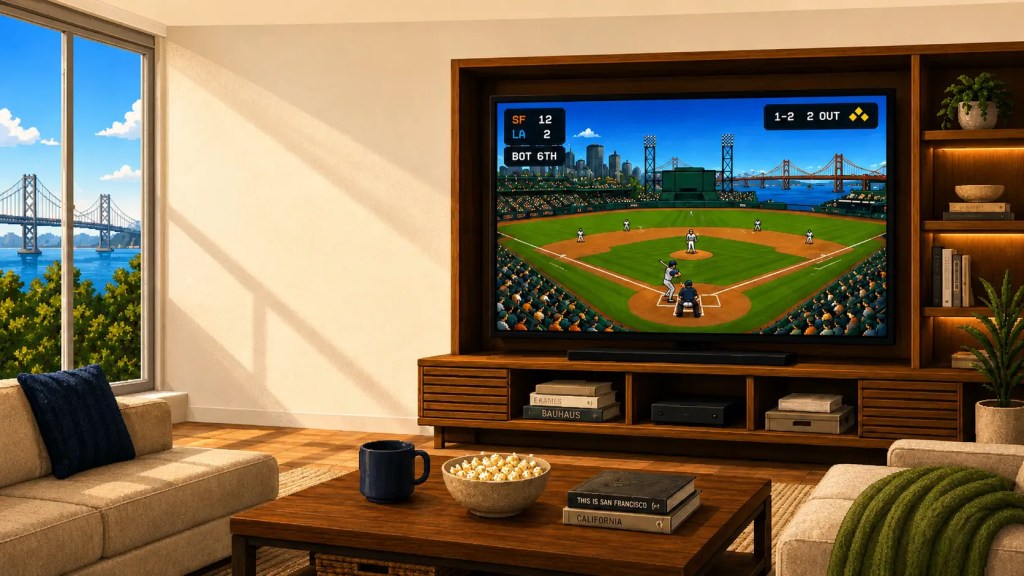
The crack of a bat and the rumble of a stadium crowd echo in the background as a pixelated ball zips across a tiny, pixel-art field. On the screen, a 16-bit version of Shohei Ohtani swings at a pitch, the animation crisp and rhythmic. This is not a game, but a real-time broadcast — a throwback to the 80s reimagined for the 2020s — and it’s happening now, in real time, for every MLB game.
Pixel Art Meets Professional Sports
Ribbie — a name derived from RBI, or runs batted in — is a fan-driven project that transforms live baseball data into a nostalgic, retro-style experience. Using the MLB’s open StatsAPI, the platform creates dynamic pixel-art visuals that track every pitch, hit, and run. Unlike traditional play-by-play interfaces, which prioritize efficiency over style, Ribbie leans into the charm of 8-bit graphics, rendering stadiums, players, and even the action itself in a way that feels like a game from the NES era.
The site’s interface is intentionally simple, but its design choices are deliberate. Users can choose to focus solely on the game, zooming in to see pixelated animations of batters and pitchers, or keep the retro living room aesthetic intact for a more immersive experience. The pixel-art stadiums, from Fenway Park to Dodger Stadium, are not just visual flourishes — they’re a homage to the medium that made sports fans fall in love with the game in the first place.
A Love Letter to Baseball and Nostalgia
Eric Brownrout, the creator of Ribbie, describes the project as a “love letter” to both baseball and the pixel-art aesthetic that dominated gaming in the late 80s and early 90s. He’s no stranger to tech innovation, but this project stands out as a passion-driven endeavor. Using tools like Claude Code and Codex, Brownrout was able to accelerate what would have been a months-long development process into a weekend project — a testament to the power of AI in creative fields.
Brownrout has also added fantasy baseball features, allowing users to input their rosters and track players’ performance in real time. It’s a clever way to bridge the gap between casual fans and those who follow the game with deeper statistical interest, without sacrificing the retro charm that makes Ribbie unique.
The Legal Line and the Future of Fan Projects
Despite its charm, Ribbie is not without risks. The MLB’s legal team has historically been protective of its branding and data, and while Brownrout is confident that the 2007 court ruling — which determined that baseball stats are factual and not copyrightable — shields him, the line between fan creation and commercial use is ever-blurring.
Still, the project thrives in a niche that values creativity over convenience. It’s a reminder that not all digital experiences need to be sleek, algorithmic, or invasive. In an age of surveillance capitalism and data extraction, Ribbie stands as a rare counterpoint — a project that gives back to the community without asking for anything in return.
As the project continues to evolve, it’s clear that Brownrout is not just chasing nostalgia. He’s building a new way to experience a sport that’s been around for over a century — through the lens of the 80s. Whether it’s through sound effects or more detailed animations, Ribbie is proving that the future of sports broadcasting doesn’t have to be all data and no soul.