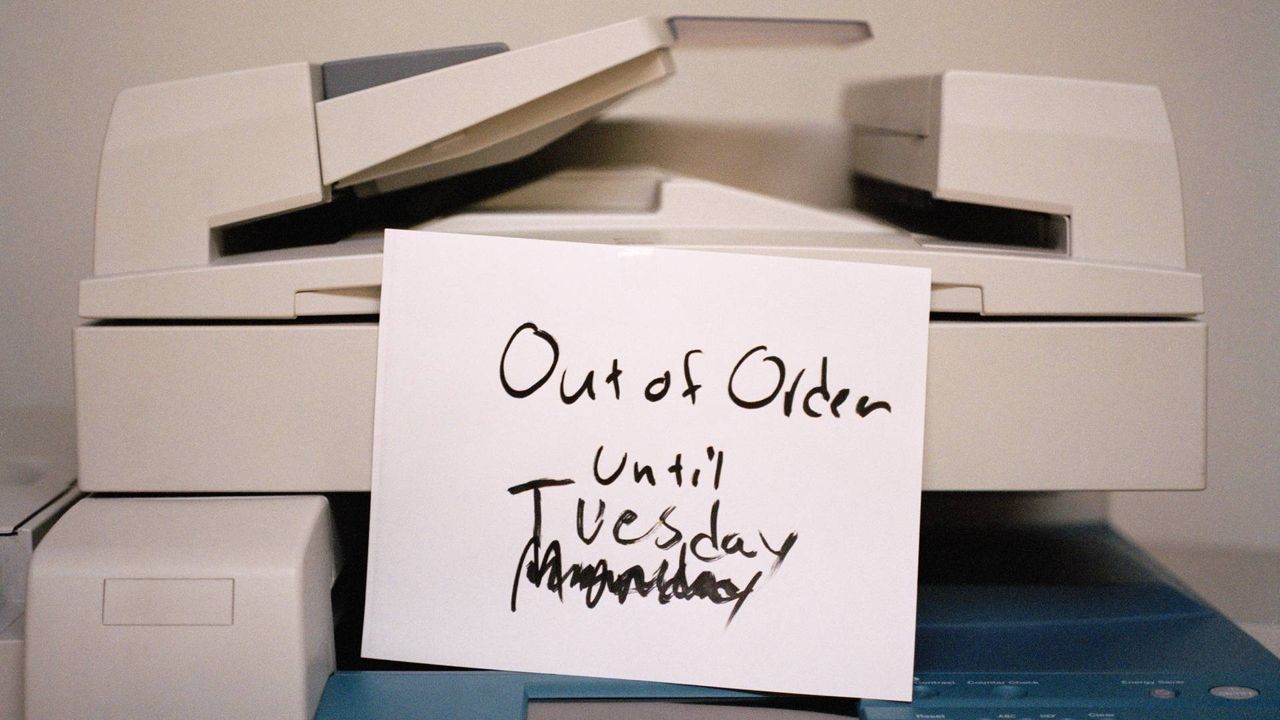
A massive narcotics conspiracy involving a highly unusual concealment method has finally reached its legal conclusion in Victoria, Australia. A 47-year-old man was recently sentenced to nine years in prison for his involvement in a high-stakes plot that attempted to smuggle $8,967,742 worth of cocaine into the country hidden inside office equipment.
The conviction marks the end of a long legal saga stemming from a 2017 operation where criminals attempted to use mundane corporate technology to bypass border security.
The Printer-based Scheme Attempted to Smuggle $8,967,742 Worth of Cocaine
In 2017, the Australian Federal Police (AFP) intercepted a suspicious shipment arriving in Melbourne. At first glance, the consignment appeared to be a routine commercial delivery consisting of five printers. However, law enforcement quickly realized the shipment was a front for a major drug operation.
Upon closer inspection, authorities discovered the following:
- Contraband location: 10 bricks of cocaine were hidden directly within the paper trays of the machines.
- Hardware used: The group utilized Xerox machines to provide a veneer of legitimacy to the shipment.
- Estimated value: The payload was valued at approximately $12.4 million AUD (roughly $8,967,742 USD).
Rather than immediately seizing the drugs, the AFP executed a strategic move by replacing the cocaine with a substitute. This allowed investigators to track the printers' movement to a factory in Airport West, Victoria, where the final handover was scheduled to occur.
Legal Consequences and Sentencing Outcomes
The surveillance operation successfully led to the arrest of four men on charges of attempting to possess a commercial quantity of a border-controlled drug. After years of legal proceedings, the court has delivered several significant sentences:
- May 2022: One participant was sentenced to 10 years in prison.
- 2025: A second individual received a 10-year sentence.
- May 8, 2025: The 47-year-old man received his nine-year sentence, marking the third conviction in the case.
- Trial Outcome: One of the four men was ultimately found not guilty.
From Office Supplies to AI Hardware
The audacity of this printer-based scheme attempted to smuggle $8,967,742 worth of cocaine highlights a broader trend in high-value illicit trade. While drugs remain a primary target, modern smuggling has shifted toward high-tech components driven by geopolitical tensions.
For instance, the recent arrest of Supermicro co-founder Yih-Shyan “Wally” Liaw regarding the alleged smuggling of $2.5 billion worth of AI chips into China demonstrates how technology has become a new frontier for contraband. As export controls tighten on hardware like Nvidia's H200 GPUs, the methods used to move goods across borders continue to evolve from paper trays to sophisticated silicon.