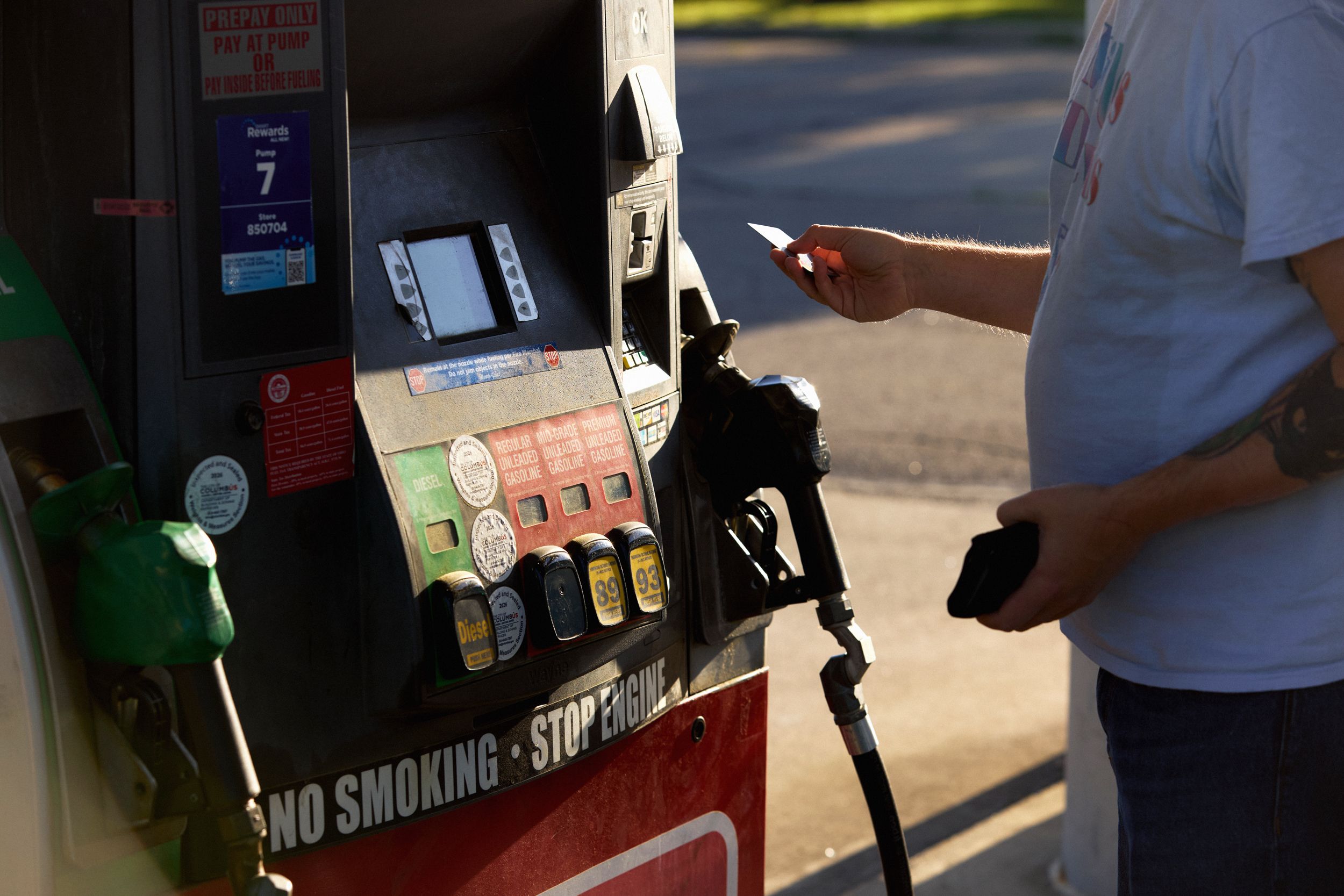
The recent proposal to suspend the federal excise tax on gasoline—a policy idea floated by Donald Trump that has gained momentum in Congress—is a move that misjudges both global market mechanics and domestic fiscal realities. While framed as immediate relief for motorists, a federal gas tax holiday would likely deliver only marginal savings at the pump while simultaneously jeopardizing critical transportation funding.
Why a Tax Holiday Fails to Lower Costs
The core issue with the proposal is that the federal excise tax represents only a small fraction of what consumers actually pay. Currently, this tax accounts for roughly 18 cents per gallon, which is a minor component of total fuel costs driven by crude oil prices and refining margins.
Several factors prevent a tax holiday from being an effective solution for inflation:
- Limited pass-through: Retailers may absorb the tax changes or reinvest the savings into their own margins rather than passing full relief to the consumer.
- Complex cost structures: Gasoline prices are primarily dictated by global crude oil markets, distribution costs, and state-level taxes.
- Seasonal demand mismatch: By the time such a policy could be implemented, seasonal surges in driving demand often negate any intended savings at the pump.
The Threat to Infrastructure Funding
Suspending the tax creates a massive hole in the Highway Trust Fund, which relies heavily on these specific revenues. Cutting this funding stream would accelerate the deterioration of national transit systems that are already under immense pressure.
Recent surveys indicate that nearly 40% of U.S. highways currently require repair. Without consistent revenue, the following areas face significant risks:
- Commuter networks: Increased congestion and safety hazards due to delayed maintenance.
- Freight corridors: Higher logistics costs as infrastructure quality declines.
- Public transit: Reduced capacity for essential urban movement.
Geopolitical Volatility and Economic Risk
Even if a federal gas tax holiday were implemented, global oil markets remain highly sensitive to geopolitical shocks. The Strait of Hormuz remains a volatile chokepoint, and ongoing tensions involving Iran threaten the continuity of the global supply chain. Because tanker schedules and production shifts take weeks or months to influence prices, short-term tax adjustments are often rendered moot by sudden spikes in crude costs.
Furthermore, high fuel costs create a ripple effect throughout the entire economy, driving inflation in logistics and consumer goods. Organizations like Public Citizen have noted that modest tax relief fails to curb these broader price pressures. Instead of symbolic gestures, policymakers may find more success through targeted investments in refining capacity, alternative fuels, and resilient infrastructure to ensure long-term economic stability.