Should You Buy Your Kid a 3D Printer? What to Know and Consider (2026)
The promise of 3D printing as a transformative household tool has long been overshadowed by the reality of its complexity and maintenance — yet for children, the very same technology is now being marketed as a toy, a creative outlet, and a gateway to the future.
The Paradox of Simplicity and Complexity
Despite the growing availability of user-friendly models, 3D printers remain devices that require a mix of technical understanding and patience — qualities that are often in short supply among young users. Yet, the same devices that once intimidated even seasoned tech enthusiasts are now being sold as kid-friendly toys, complete with colorful casings and simplified interfaces. This contradiction raises an important question: is it truly practical to hand a child a tool that, for adults, can be a source of frustration and failure?
How Much Space Does It Take Up?
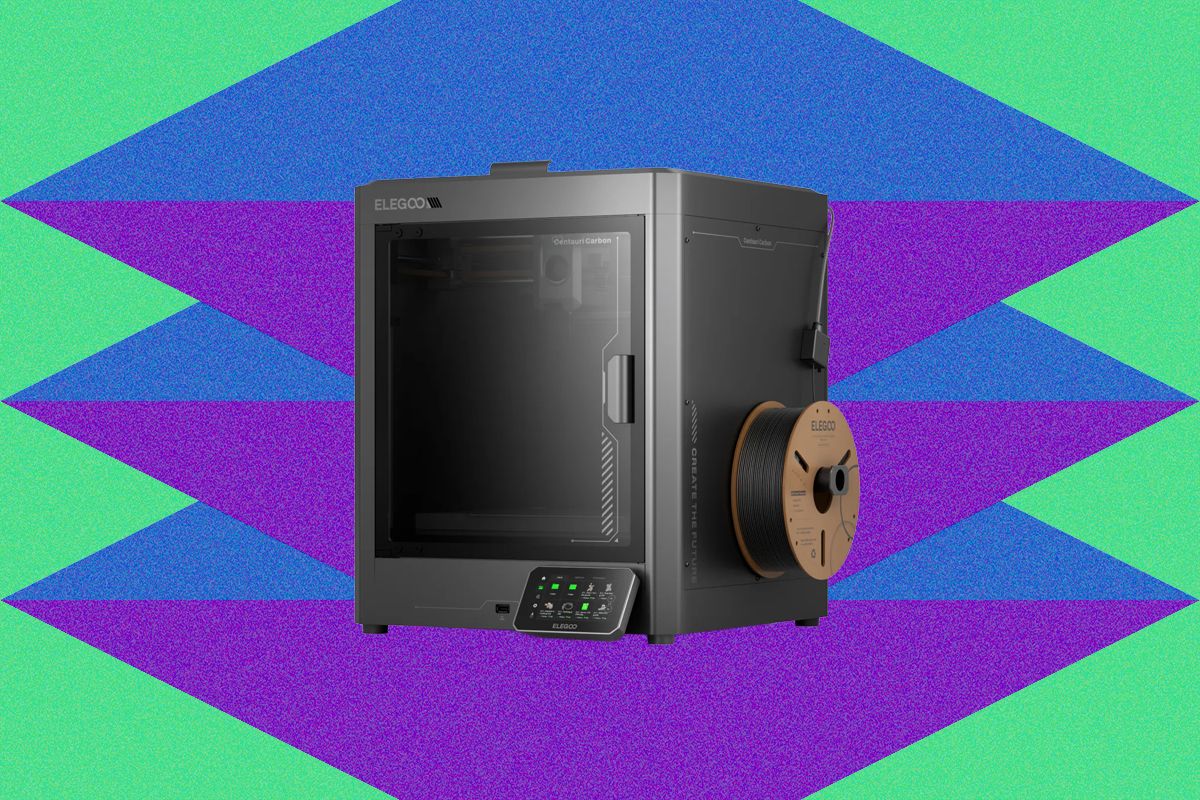
Modern 3D printers come in a variety of sizes, but none are particularly small. The Elegoo Centauri Carbon, for example, measures roughly 20 inches in height and 16 inches in width — a footprint similar to a large kitchen appliance. While it’s manageable in a dedicated space, it’s not something that can be tucked away in a closet. The Snapmaker U1, with its four printing heads, is even bulkier, though its design is still relatively compact for a high-end model. For families with limited space, the Toybox Alpha 2 stands out as the most portable option, fitting easily into a shelf or desk without consuming much room.
- The Centauri Carbon is easy to use but takes up considerable space
- The U1 is more advanced but also larger and noisier
- The Toybox is the most compact and child-friendly option
How Much Hassle Is 3D Printing?
A 3D printer is not a set-and-forget device. Even the most beginner-friendly models require some level of maintenance, from cleaning nozzles to replacing filament. For children, this can be a frustrating process — especially when something goes wrong. However, the Toybox Alpha 2 is designed specifically for kids, with a simplified app that guides them through the printing process step-by-step. It avoids technical jargon and offers quick-print options that keep children engaged without the risk of long waits or complicated setups.
The Elegoo Centauri Carbon requires minimal setup and is ideal for older kids who are beginning to understand basic tech concepts. It’s also a good entry point for families looking to explore 3D printing without investing in a high-end model. The Snapmaker U1, on the other hand, is better suited for teenagers or older children who are ready for more advanced features, though it does come with increased complexity and longer print times.
A Forward-Looking Verdict
As 3D printing becomes more accessible and integrated into everyday life, the idea of giving a child their own printer is no longer a radical proposition. It is, in many ways, a natural evolution of the toy industry — blending creativity with technology in a way that was once the domain of high school robotics clubs or college engineering students.
For parents, the decision to buy a 3D printer for their child is not just about indulging their curiosity; it’s about preparing them for a future where digital fabrication is as common as a microwave or a smartphone. The right printer can foster problem-solving skills, encourage creativity, and even serve as a springboard into STEM fields.
In 2026, the Toybox Alpha 2 is the best option for younger children, while the Elegoo Centauri Carbon and Snapmaker U1 cater to older kids and those with more technical interests. As the technology continues to evolve, 3D printers will likely become even more intuitive, further blurring the line between toy and tool. Whether or not it's a wise investment depends on the child — but for many, it's an experience that will last a lifetime.