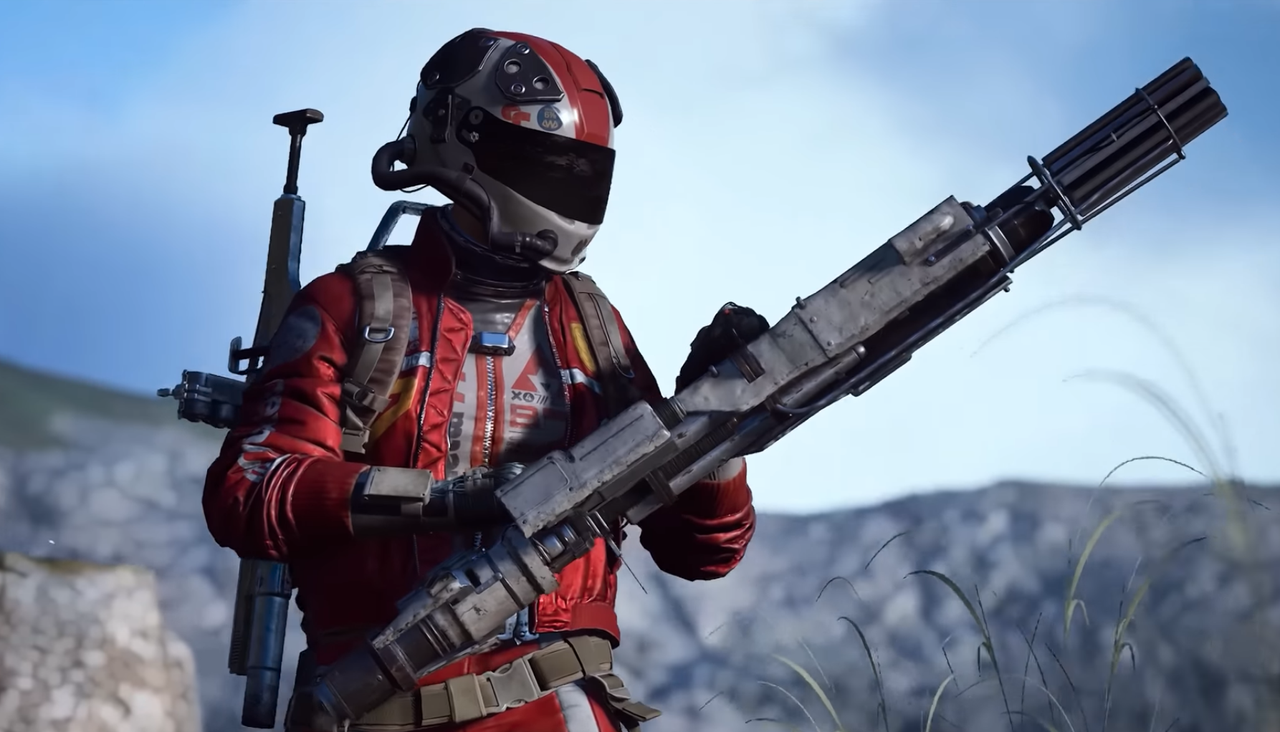
Embark Studios has announced a fundamental shift in its live service strategy for Arc Raiders, moving away from a rapid-fire monthly update cadence. Instead, the studio will transition to delivering significant content updates every six months. This strategic pivot comes after mixed player reception during the game's first seven months, where frequent but often "thin" content drops struggled to maintain consistent engagement.
By adopting this bi-annual schedule, Embark aims to prioritize scale and impact over sheer frequency. The goal is to provide updates that fundamentally transform the game world rather than offering superficial additions.
Why the monthly cycle was holding Arc Raiders back
The decision to slow down stems from a realization that the original roadmap was stifling the game's potential. Executive producer Aleksander Grøndal noted that while the monthly goal was intended to keep the community engaged, it ultimately prevented the team from implementing the deep, transformative changes necessary for long-term success.
According to Grøndal, the pressure of a monthly cycle forced the team to prioritize quantity over quality, often at the expense of complex system evolution. "Moving to larger updates allows us to spend more time refining the systems players engage with the most," Grøndal explained in a recent blog post.
The studio identified several key challenges caused by the previous schedule:
- System Refinement: High-fidelity assets and complex mechanics require significant development time.
- Sustainable Development: Maintaining a monthly cadence made it difficult to ensure high-quality output.
- Progression Depth: Major overhauls to player progression require more breathing room than a 30-day window allows.
The 'Frozen Trail' update: A new era for Arc Raiders
The first major test of this revised development philosophy will be the Frozen Trail update, scheduled for release this October. Embark Studios has teased this as its most significant expansion to date, centered around a massive new frontier known as the Rust Belt.
The Frozen Trail update is expected to introduce:
- The Rust Belt: The largest map in the game's history, featuring layered environments and new mysteries.
- New ARC Operations: Freshly designed enemies with unique behaviors to challenge veteran Raiders.
- Expanded Progression: New goals and methods for players who have already reached the Skill Point ceiling.
- Lore Expansion: The beginning of a narrative arc uncovering the true origin of the Arc.
- Enhanced Gear: An updated skill tree accompanied by new weapons, items, and cosmetics.
While these major milestones are now spaced further apart, Embark will maintain a dedicated live service team to handle smaller, frequent tasks such as balance changes, bug fixes, in-game events, and cosmetic releases.
Addressing player feedback with nomadic traders
To bridge the gap between major expansions, Embark is implementing targeted features to address immediate community pain points. Recognizing issues like inventory clutter and limited stash capacity, the studio is introducing a nomadic trader as an interim solution.
This new feature specifically targets several recurring frustrations:
- Inventory Management: Providing a way to offload high-value items that currently have no purpose.
- Stash Constraints: Offering a sink for excess items in a growing inventory.
- Expedition Incentives: Encouraging players to engage with Expedition mode by offering better rewards.
The nomadic trader will allow players to exchange high-value loot for unique cosmetics and rewards. Additionally, the trader will provide a specific perk that allows players to carry five items—including blueprints—into their next Expedition, serving as a stopgap until the broader system receives its own major overhaul.
As Arc Raiders evolves, it is clear the game is moving away from the traditional PvP shooter model and embracing more MMO-style qualities like social collaboration and deep grinding. By trading monthly "thin" updates for substantial expansions, Embark Studios is betting that a slower, more meaningful cadence will secure the game's future.