SoftBank’s CEO isn’t the only one with questions about Elon Musk’s orbital data center hype
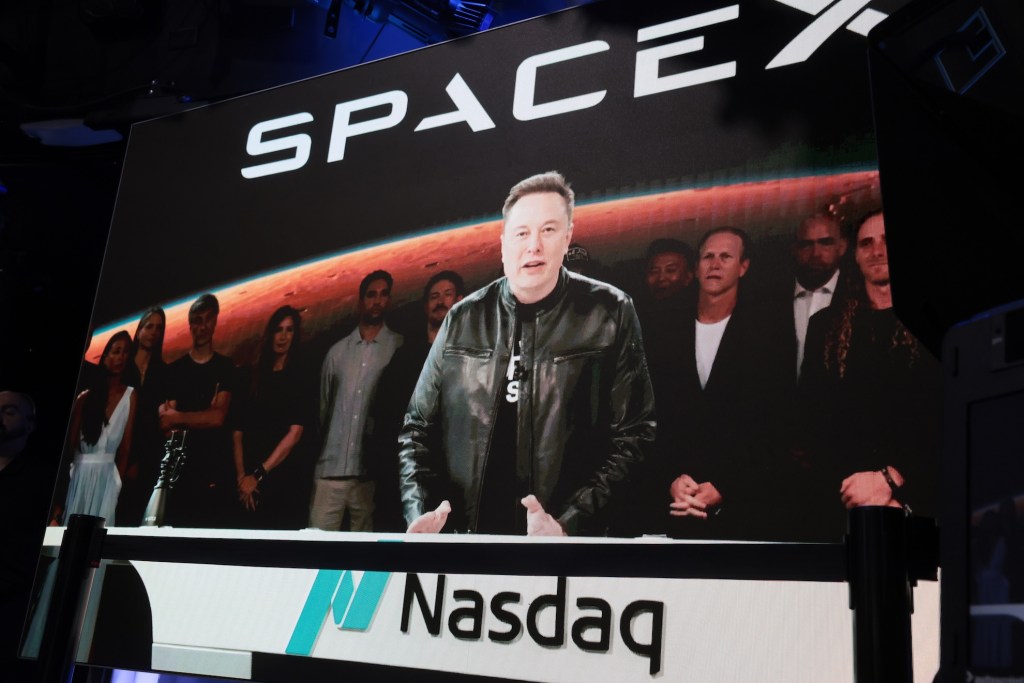
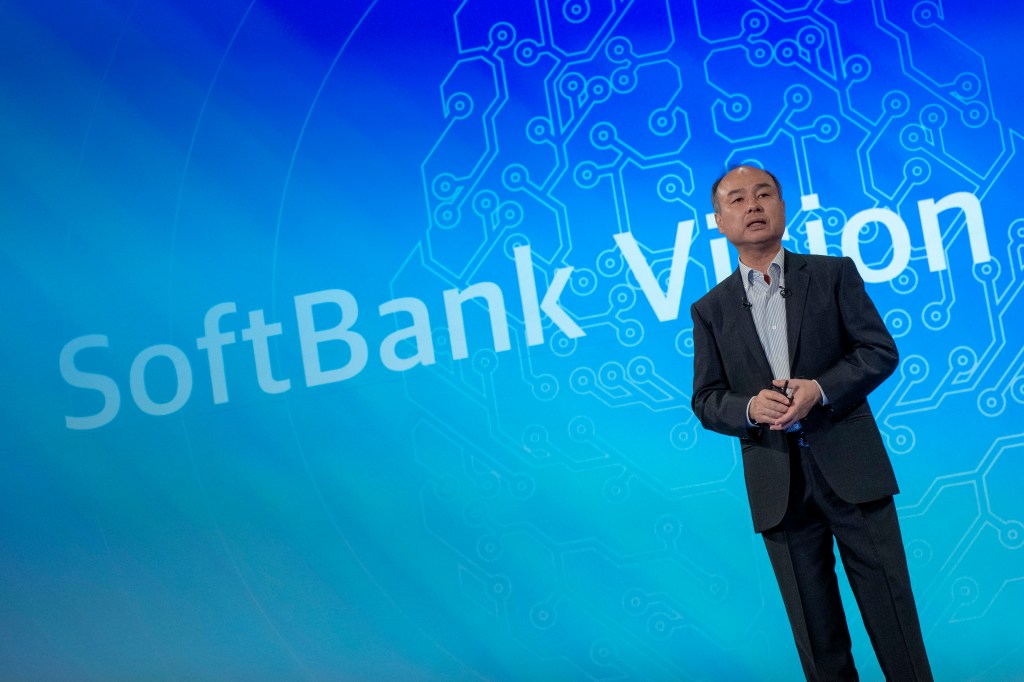
Elon Musk’s orbital data center vision is drawing sharp skepticism from industry leaders and investors. SoftBank’s CEO Masayoshi Son is not the only voice questioning the feasibility and urgency of SpaceX’s ambitious plans for data centers in orbit. His recent remarks at a shareholder meeting—casting doubt on the economic and logistical viability of such a project—echo concerns from other industry players who see the idea as more hype than practical solution. While Musk has long been a proponent of pushing technological boundaries, the notion of an "orbital data center" is being scrutinized for its high costs, long timelines, and whether it addresses any immediate industry needs.
The Cost and Time Challenges of Orbital Data Centers
Musk’s proposal for a constellation of satellites serving as an orbital data center has been met with skepticism from both investors and engineers. The idea hinges on deploying and maintaining a vast network of satellites, each requiring regular replacement and significant maintenance. This creates a long-term dependency on launch capabilities, which SpaceX has already built through its Starlink initiative. Yet the question remains: is this a scalable and cost-effective solution when terrestrial data centers are still struggling with energy consumption, land use, and regulatory hurdles?
The engineering complexity of maintaining a network of satellites in low Earth orbit is immense, requiring constant monitoring and replacement. Launch costs, while decreasing, remain a substantial barrier for widespread deployment. The timeline for operational readiness is measured in years, not months, which raises questions about immediate relevance.
A Neo-Cloud Gold Rush with Uncertain Endgame
The rise of orbital data centers is part of a broader trend in the tech industry: the "neo-cloud" rush. Companies like Groq, Allbirds, and even SpaceX itself are positioning themselves as providers of compute resources, whether through custom chips or satellite-based infrastructure. This shift reflects a growing compute bottleneck on Earth, where demand for AI processing far outpaces current capacity. Yet, as Sean O’Kane of TechCrunch pointed out, the long-term viability of these ventures is still in question.
- Groq, once a niche player, is now leveraging its compute capabilities to compete with larger firms.
- Allbirds, after a bankruptcy filing, rebranded as a neo-cloud provider, signaling a shift in how compute resources are monetized.
- SpaceX’s compute leasing model, while promising, is still in its early stages and dependent on Starlink’s success.
The irony, as Kirsten Korosec noted, is that SoftBank—known for its history of high-risk bets—now finds itself questioning the very kind of bold ventures it once championed. Son’s skepticism highlights a growing recognition that the tech industry is not just chasing innovation, but also trying to navigate a landscape of uncertain returns and massive capital expenditures.
The Inevitability of Self-Interest in Tech Predictions
As the conversation around orbital data centers unfolds, it becomes clear that no one is entirely impartial. From SoftBank’s investments in terrestrial data infrastructure to Musk’s deep ties to SpaceX’s launch business, each stakeholder has their own agenda. Sam Altman of OpenAI, for instance, has expressed skepticism about the orbital data center concept, perhaps due to his own focus on building AI models that rely on Earth-based compute resources.
In this environment, predictions about the future of AI and infrastructure are often shaped by the interests of those making them. While Musk’s vision is undeniably bold, the question of whether it’s economically viable or even necessary remains unanswered. The industry may be moving toward a future where space-based computing becomes a reality, but the path there is anything but clear—and it may take longer than many are hoping.