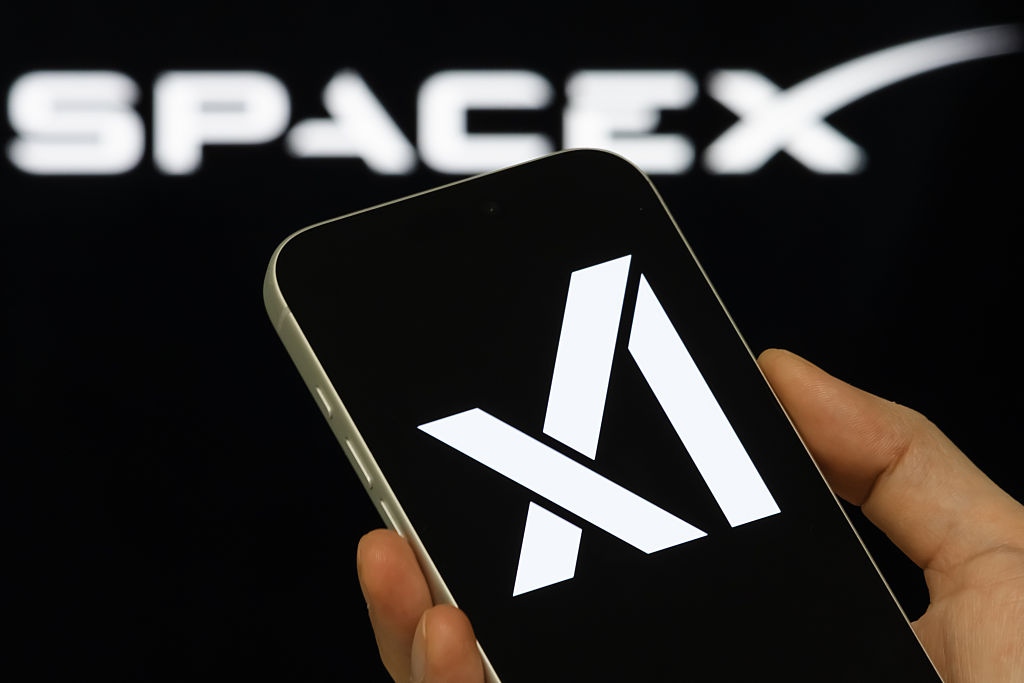
SpaceX inks compute deal with Reflection AI, an open-source AI lab
SpaceX has signed a major compute agreement with Reflection AI, an open-source AI research lab, marking a significant step in the company's efforts to enhance its AI capabilities. This deal will see Reflection AI pay $150 million a month beginning July 1, 2026, through 2029, for access to Nvidia's GB300 AI chips and related hardware. The agreement is centered around SpaceX’s Colossus 2 data center, located near Memphis, Tennessee, and highlights the growing importance of high-performance computing in the AI sector.
A Strategic Move for AI Development
The partnership between SpaceX and Reflection AI is a strategic move that aligns with SpaceX's broader goals in AI research and development. With the GB300 AI chips, Reflection AI will gain access to cutting-edge hardware that can significantly accelerate their AI model training and inference processes. This level of computational power is crucial for labs pushing the boundaries of AI capabilities, especially in areas like natural language processing, computer vision, and complex simulations.
SpaceX’s Colossus 2 data center is designed to support high-performance computing needs, and this deal underscores the company’s commitment to investing in the infrastructure necessary to advance AI technology. The location in Memphis, Tennessee, was chosen for its favorable logistics, access to skilled labor, and proximity to major transportation hubs, all of which contribute to efficient operations.
Implications for the AI Industry
This agreement also signals a shift in how AI labs are sourcing compute resources. Traditionally, such labs have relied on cloud providers or custom-built systems. However, this deal with SpaceX highlights the growing trend of partnerships between AI research organizations and private companies with advanced data center capabilities.
Reflection AI’s decision to enter into this agreement is likely influenced by the GB300 AI chips' performance and efficiency, which are expected to outperform previous generations. These chips are designed to handle large-scale AI workloads with reduced latency and energy consumption, making them an attractive option for AI labs aiming to scale their operations.
The $150 million monthly payment is a testament to the value that Reflection AI places on access to this hardware. It also indicates the potential for significant growth in the AI sector, as more organizations seek to leverage high-performance computing to drive innovation.
As the AI landscape continues to evolve, partnerships like this one between SpaceX and Reflection AI could set new standards for how compute resources are allocated and utilized in the industry.