Steam Machine: Official Overview
The Steam Machine is a groundbreaking initiative by Valve, aiming to redefine the landscape of PC gaming by addressing the long-standing challenges of complexity and accessibility. Designed as a compact, pre-configured system, it blends the power of a mid-range gaming PC with the simplicity of a console, all while running SteamOS, a Linux-based operating system tailored for gaming. This move positions the Steam Machine as a unique hybrid that could reshape how gamers, especially those in the living room, engage with high-performance titles.
A New Era for PC Gaming in the Living Room
The Steam Machine is not just a console or a traditional PC build — it's an innovative attempt to bridge the gap between the two. With its compact form factor, it's ideal for users who want to enjoy high-performance gaming without the hassle of building or maintaining their own system. Unlike traditional consoles, the Steam Machine runs on SteamOS, a Linux-based operating system that streamlines the gaming experience by removing unnecessary bloatware and system layers.
Key features of SteamOS include fast suspend/resume functionality, cloud saves, and direct integration with Steam’s vast library of games. This hybrid approach could redefine how PC gaming is consumed, especially in environments where the full complexity of Windows is unnecessary.
- SteamOS streamlines the gaming experience by reducing bloatware and unnecessary system layers.
- The Steam Machine is built with performance in mind, featuring hardware that matches or exceeds current console capabilities.
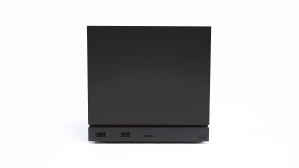
- Its compact design allows for easy placement in a living room or entertainment center, challenging the dominance of traditional consoles.
Hardware and Software in Harmony
Valve has carefully selected components to ensure that the Steam Machine is not just a novelty, but a viable alternative to both traditional PCs and consoles. The hardware is tuned for smooth gameplay at 1080p and 1440p resolutions, with support for high-end graphics cards and powerful CPUs. This ensures that users can run the latest AAA titles without the need for frequent upgrades or complex configurations.
On the software side, SteamOS is designed with the user in mind. It eliminates the need for constant driver updates and reduces the learning curve typically associated with PC gaming. This OS is also deeply integrated with Steam Play, allowing users to run Windows-based games without any performance penalty. Such features make the Steam Machine appealing not only to seasoned PC gamers but also to those who might otherwise opt for a console due to simplicity.
A Strategic Move for Valve
The Steam Machine is more than just a hardware product — it's a strategic play by Valve to solidify its position in the gaming industry. As cloud gaming rises and the demand for simpler, more accessible systems grows, Valve is positioning itself at the intersection of innovation and user experience. This move also signals a potential shift in the industry, where traditional consoles may no longer be the sole gatekeepers of high-quality gaming experiences.
By offering a pre-built, optimized system with a dedicated operating environment, Valve is challenging the status quo and inviting a broader audience to engage with PC gaming. Whether this will succeed depends on factors like pricing, availability, and how well SteamOS can compete with the polished interfaces of established consoles.
The Steam Machine is a bold, calculated step in the ongoing evolution of gaming hardware. If it delivers on its promises, it could change how people access and enjoy PC games. As the industry continues to blur the lines between console and PC, the Steam Machine might be the next big step in making high-performance gaming more accessible — and more attractive — to a wider audience.