Supergirl Review: A Tale of Two Movies
Supergirl opens in theaters on June 26. As a fan of director Craig Gillespie, I approached the film with high expectations. Known for elevating films that could easily fall into cliché, Gillespie has a track record of delivering more than what you’d expect from a biopic or a live-action remake. This made the prospect of watching a superhero movie under his direction particularly intriguing, especially in a landscape where the genre often feels tired and repetitive.
A Familiar Trope with a Fresh Face
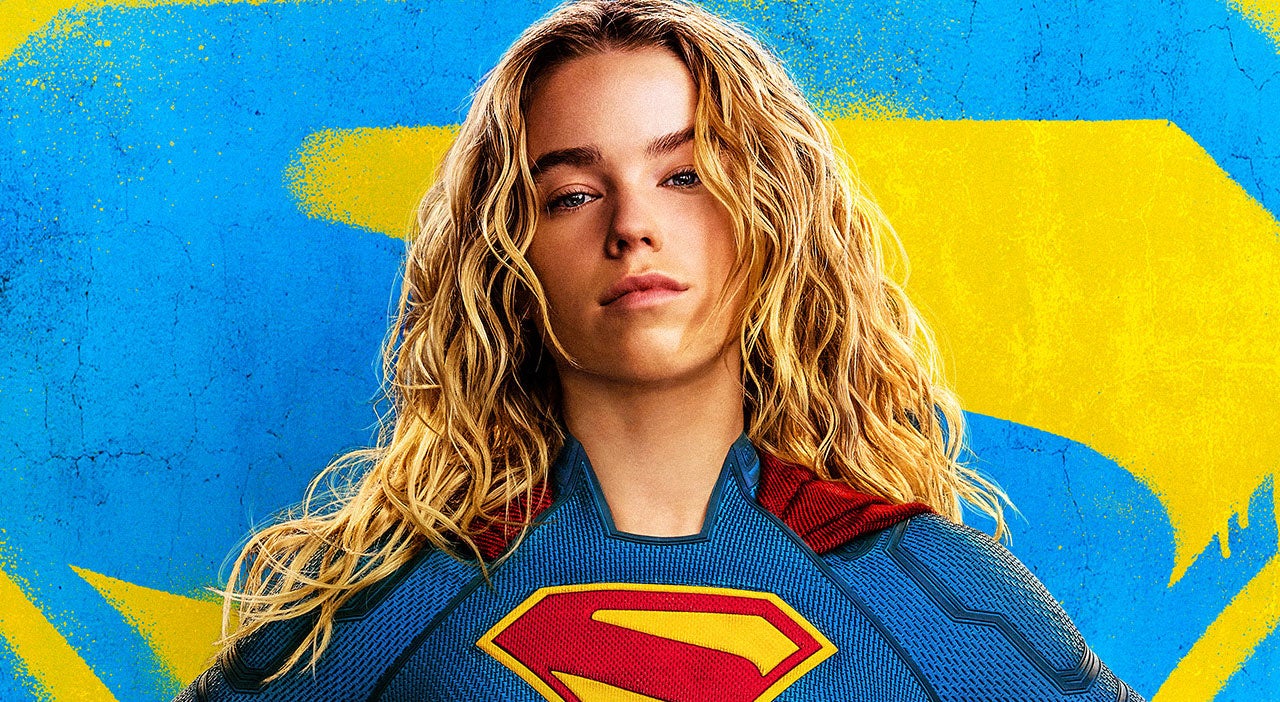
In the DCU, James Gunn's vision has been a welcome change of pace. Milly Alcock's portrayal of Kara Zor-El in Superman was a promising start, and her solo film does little to change that impression. However, Supergirl is a movie that walks a fine line between two distinct narratives. While it excels in certain areas, it stumbles in others, creating a disjointed experience that never quite finds its rhythm.
The reluctant hero trope, which Kara embodies, is difficult to pull off convincingly. If the character on screen doesn't seem to care, the audience is likely to feel the same way. Alcock manages to make Kara's apathy engaging, but the lack of a substantial character arc is a significant drawback. By the end of the film, Kara remains essentially the same person she was at the beginning, not due to any shortcoming in her performance, but because the story doesn't provide her with much to change.
The film's narrative structure is another point of contention. While the influence of Guardians of the Galaxy and True Grit is clear, the execution feels somewhat dulled. The post-apocalyptic setting draws obvious comparisons to Mad Max, but the plot points lifted directly from Fury Road are handled clumsily. The emotional depth that Guardians is known for is replaced by slow-paced montages set to a Jimmy Eat World cover, which feels out of place and underwhelming.
The Villain and the Anti-Hero
Matthias Schoenaerts plays Krem of the Yellow Hills, a character whose visual design is undeniably striking. His appearance, with beads studded into his face and machinery grafted into his body, is a nod to the creature design of A New Hope. However, Krem's character lacks depth. His intimidating presence is mostly conveyed through a few throwaway lines and the fear he inspires in others, but there's little substance to his role beyond the visual spectacle.
Jason Momoa's Lobo, on the other hand, brings a welcome energy to the film. As a fan favorite, Lobo is a character that Momoa clearly enjoys portraying. His performance is charismatic, and the prosthetics and face paint he wears are fitting for the role. However, his presence in the film is unnecessary, as his character doesn't contribute much to the main narrative.
A Shifting Narrative
The film's narrative is a mix of familiar tropes and fresh faces. While the influence of various genres is evident, the execution leaves something to be desired. The story feels like it's trying too hard to be everything at once, resulting in a film that never fully commits to a single direction.
Despite its flaws, Supergirl is a movie that has its moments. The visual effects, character designs, and performances from Alcock and Momoa are commendable. However, the overall experience is marred by a lack of cohesion and a narrative that doesn't fully utilize its potential. For a film that could have been a standout in the DCU, it ultimately falls short of the mark.