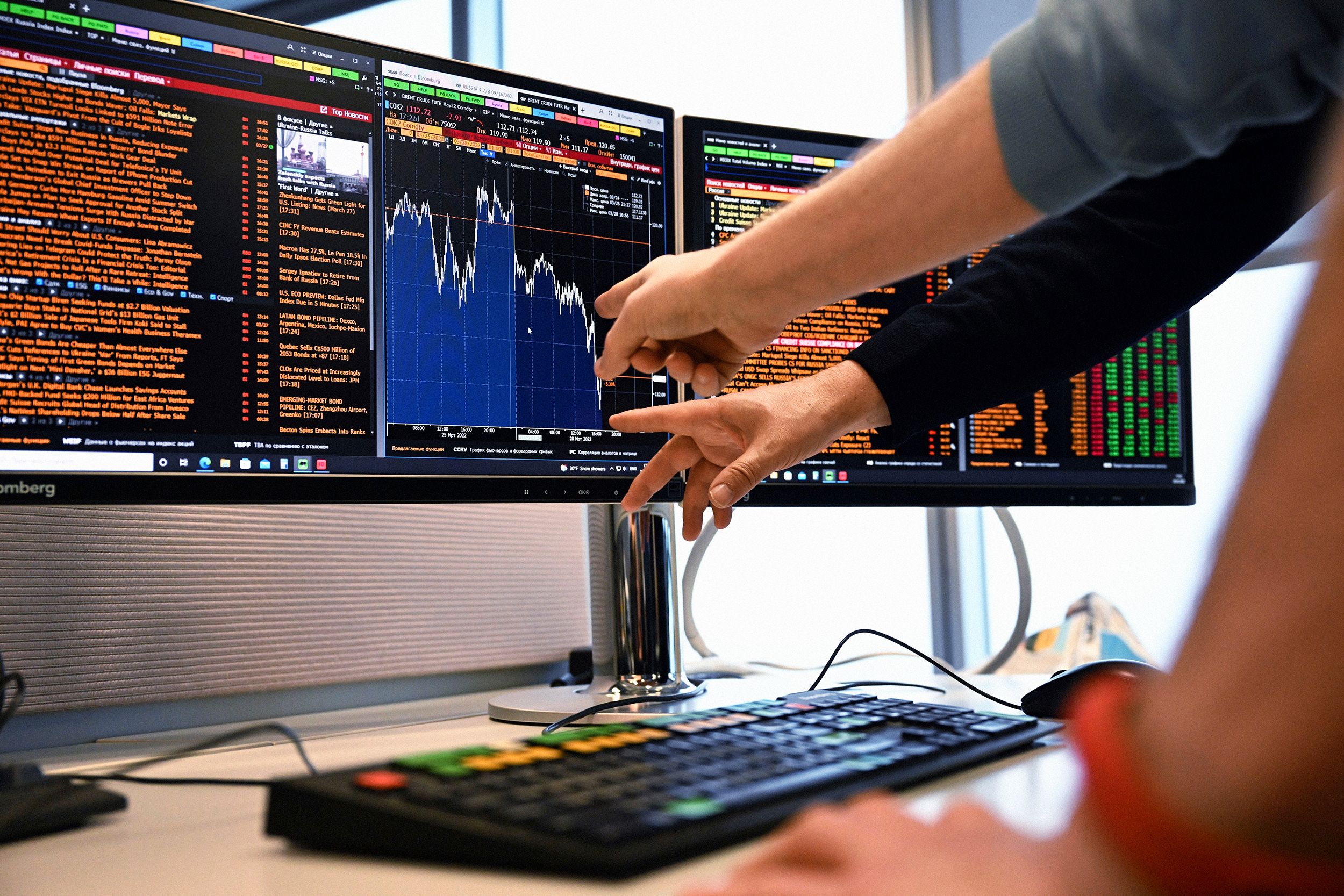
A sea of scrolling tickers, flickering numbers, and dense text blocks has long defined the traditional experience of using a Bloomberg Terminal. For decades, mastering this interface—navigating its labyrinthine commands and cryptic syntax—has been a mandatory rite of passage for financial professionals.
However, as global data expands to include everything from shipping logs and satellite weather patterns to consumer spending trends, manual extraction is becoming unsustainable. To keep pace with the modern data deluge, the industry is undergoing a massive shift toward automation.
Revolutionizing the Bloomberg Terminal with ASKB
To combat information overload, Bloomberg is introducing ASKB (pronounced "ask-bee"), a chatbot-style interface designed to sit atop its existing infrastructure. This evolution moves the platform away from purely command-line interactions toward a system powered by a basket of diverse large language models. The core objective is to allow users to bypass tedious manual retrieval using natural language prompts.
Instead of searching for isolated data points, traders can now present high-level investment theses directly to the system. A user might ask how a specific geopolitical conflict will impact their portfolio's exposure to energy commodities. This transformation aims to turn hours of manual synthesis into minutes of automated analysis, surfacing alpha that would otherwise remain buried in unstructured text.
The capabilities currently being tested in the beta include:
- Creating customized workflow templates for recurring financial tasks.
- Synthesizing comprehensive bull and bear cases for specific equities.
- Automating the extraction of key guidance and sentiment from earnings calls.
- Triggering automated data summaries based on specific real-world economic conditions.
Mitigating Hallucinations in High-Stakes Trading
In high-frequency finance, the margin for error is non-existent. The primary criticism leveled against generative AI is hallucination, where a model confidently presents false information as fact. For a platform serving as the backbone of global capital markets, even a single erroneous data point could have catastrophic consequences.
To address this, Bloomberg is implementing a conservative architecture centered on rigorous verification. Rather than acting as a "black box," the system utilizes several layers of protection:
- Validation Checks: The system performs semantic language checks to ensure the model hasn't inverted relationships between variables.
- Citation Audits: Strict audits are used to verify that every claim made in a summary is directly supported by the underlying source text.
- Direct Sourcing: ASKB is designed to drive users back to their original sources via direct links, ensuring transparency over abstraction.
The Evolution of Professional Expertise
The integration of agentic AI into the Bloomberg Terminal raises profound questions about the future of financial labor, particularly for junior analysts. Much of the traditional "grunt work"—the manual legwork of gathering fundamentals and comparing peer metrics—is exactly what ASKB is designed to automate. While this increases efficiency, it threatens the traditional apprenticeship model where staff learn through deep, granular data immersion.
There is also a growing debate regarding "vibe coding" and low-cost alternatives that attempt to replicate terminal functionality with much thinner margins. Bloomberg's response suggests that while generative tools can assist in building interfaces, mission-critical decision-making requires a level of reliability that simple probabilistic models cannot yet provide alone.
The transition of the platform into an AI-driven interface is likely inevitable. While traditionalists may resist moving away from familiar command-line interfaces, the sheer scale of modern global data makes the old way of working unsustainable. The future lies in augmenting expertise, shifting the professional's focus from raw data collection to high-level strategic synthesis.