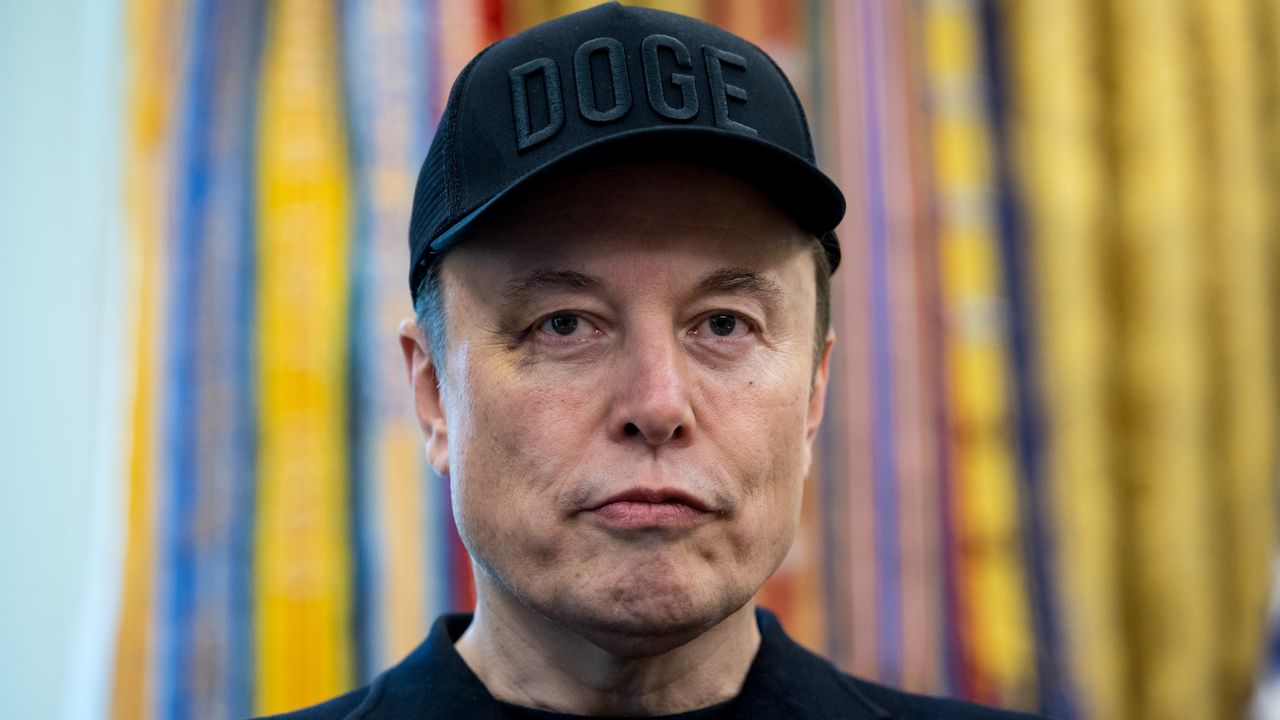
Opening arguments commenced on Tuesday in the high-stakes legal battle of Musk v. Altman. The lawsuit, filed by Tesla CEO Elon Musk against Sam Altman and OpenAI, centers on allegations that OpenAI "preyed on Musk’s humanitarian concern" regarding the existential risks of AI. In a framing described by his attorneys as a "textbook tale of altruism versus greed," Musk is positioned as the defender of humanity fighting against corporate avarice.
However, the legal proceedings hit a snag before they could even truly begin. During the jury selection process on Monday, it became immediately apparent that the Elon Musk vs. Sam Altman trial was facing a significant uphill battle regarding public perception.
Jury Selection Chaos and Public Sentiment
The voir dire process revealed just how polarizing the Tesla mogul remains. According to reports from The Verge, prospective jurors did not hold back their opinions during questioning:
- One prospective juror described Musk as "a greedy, racist, homophobic piece of garbage."
- Another individual simply labeled him "a world-class jerk."
- Out of the first 20 prospective jurors, five expressed significant negative feelings toward Musk.
While only one juror admitted their dislike was so intense they couldn't remain impartial, Musk’s legal team attempted to strike several others based on their personal animosity toward him. The effort was met with immediate resistance from the bench.
Judge Rogers Rebuffs Musk's Legal Strategy
In a moment that felt more like a scene from a movie than a formal courtroom exchange, Judge Yvonne Gonzales Rogers shut down attempts to disqualify jurors solely for their distaste of the plaintiff. When noting that many people simply do not like Musk, Rogers remarked, "The reality is that some jurors disliking Musk doesn’t mean that Americans nevertheless can’t have integrity for the judicial process."
The Core Conflict: Altruism vs. Profit
The central argument in this Elon Musk vs. Sam Altman trial revolves around the fundamental mission of OpenAI. Musk contends that he provided significant time, effort, and capital under the explicit assurance that the organization would remain a non-profit entity. He claims that he and the organization's namesake objectives were "betrayed" when Altman transitioned the company toward for-profit models to accommodate massive infusions of cash.
OpenAI’s defense offers a starkly different perspective on the history of the company:
- Lead counsel William Savitt argued the lawsuit exists solely because Musk "didn't get his way."
- Savitt claimed Musk attempted to pivot OpenAI into a for-profit business as early as 2017.
- The defense suggested the founders specifically avoided a structure that would make them "part of a car company" controlled by Musk.
As the trial progresses, Musk is expected to take the stand. While a final resolution may be months away, the proceedings are already providing a window into the messy power struggles defining the future of artificial intelligence.