The Witness Review: A True Crime Story That Leaves You Haunted
The Witness, a three-part true crime miniseries now streaming on Netflix, recounts the real-life murder of Rachel Nickell in London in 1992. This chilling case, which gained significant attention in Britain, forms the backbone of the series. While it manages to be both emotionally wrenching and compelling, the series sometimes struggles to fully align with the narrative it aims to tell.
Based on Alex Hanscombe’s memoir, Letting Go, the series was written by Rob Williams, a veteran of British crime dramas like The Victim and Chasing Shadows. Directed by Alex Winckler, the story follows Alex, the title character, who was just three years old when his mother, Rachel (played by Eleanor Williams), was brutally raped and murdered in front of him during a walk in the park. With no physical evidence found at the crime scene, Alex becomes the sole witness, but his young age makes the process of extracting information from him both delicate and emotionally fraught.
A Father's Struggle Between Grief and Responsibility
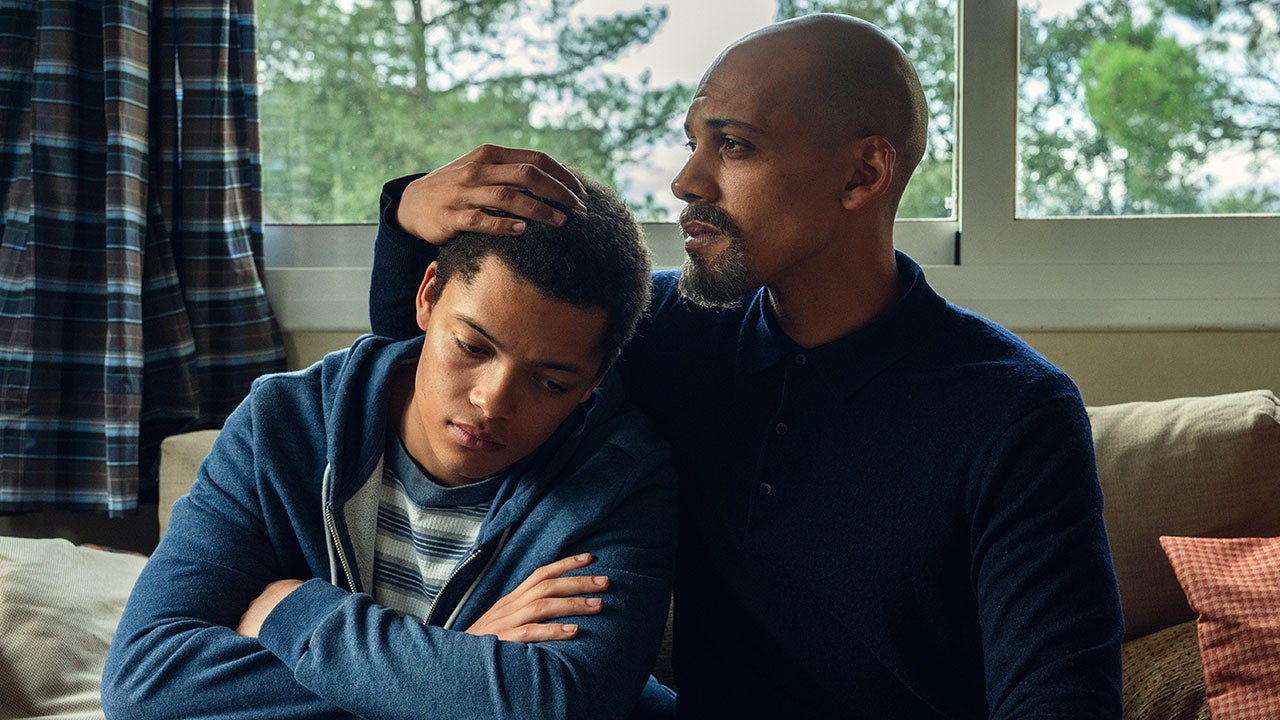
The emotional core of the series lies in the relationship between Alex and his father, André (played by Jordan Bolger). André is caught between his grief and his desire to shield his son from further trauma, while also needing Alex to recount what he saw. This tension is poignantly portrayed in the early episodes, where André wrestles with whether talking about the incident will help Alex heal or retraumatize him.
Jordan Bolger delivers a powerful performance as André, capturing the character's mix of sorrow and frustration. Bolger's portrayal shows André's struggle to maintain a semblance of normalcy for Alex, despite the constant media scrutiny they face. The series spans two time periods: the initial crime and investigation in 1992-1994, and a decade later when the case is reopened due to advances in DNA technology.
Time Jumps and Character Development
The time jumps are handled with care, and the visual distinctions between the eras are clear. Bolger’s transformation, supported by the hair and makeup teams, effectively conveys André’s journey through 14 years. However, the use of cross-cutting between timelines occasionally feels unnecessary and distracting, even if it allows for an earlier introduction of Alex’s teenage self, played by Max Finchman.
Alex’s complex character development is a key aspect of the series. His self-destructive tendencies are shaped by the trauma he experienced. This complexity is further heightened by André’s own actions, as his efforts to protect their privacy in Spain create an environment that inadvertently influences Alex’s behavior.
Strong Supporting Cast Adds Depth
The supporting cast, including Neil Maskell, Kevin Eldon, Sean Gilder, James Bradshaw, and James Dryden, provide strong performances as the investigators in the 1990s. Mark Stanley steps in for the 2000s portion, maintaining the narrative’s emotional weight. While some moments in the series lean towards melodrama, the cast helps keep the story grounded.
A Rushed Conclusion to a Powerful Story
The final episode of The Witness covers a lot of ground, including the case’s reopening, a nuanced look at the killer, and a discussion of past police mistakes. The portrayal of the killer, Steve Stamp, with a layer of sympathy based on his own troubled history, adds an unexpected depth to the story. However, the episode feels somewhat rushed, suggesting that an additional episode might have allowed for more thorough exploration of these themes.