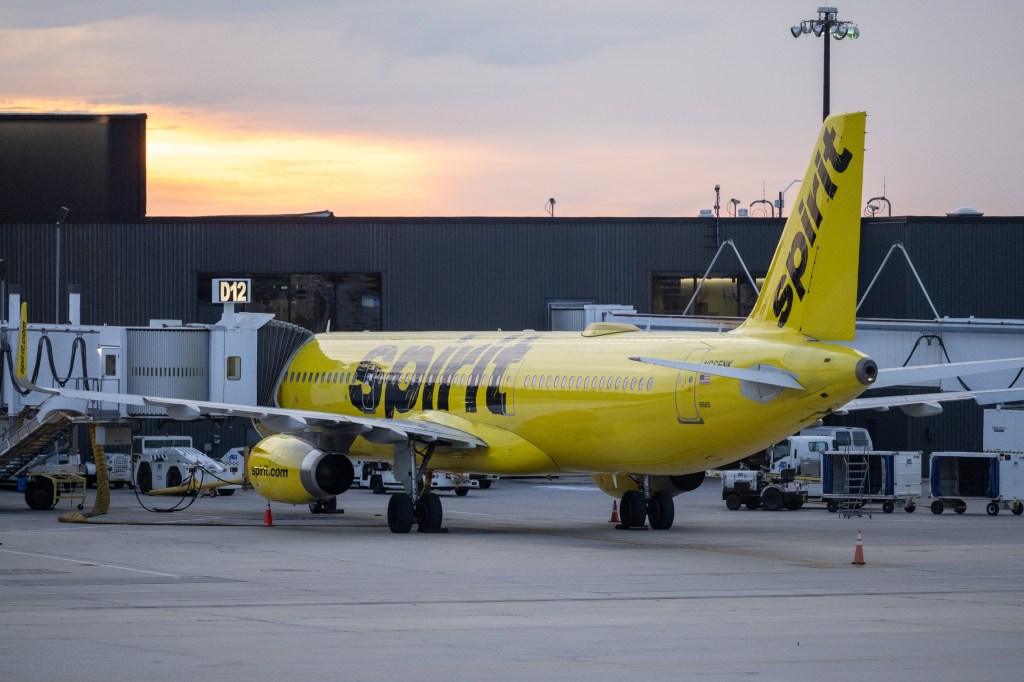
A sudden notification on a smartphone screen—a flight cancellation paired with a directive to stay away from the airport—signaled the abrupt, overnight dissolution of Spirit Airlines. For millions of travelers dependent on the ultra-low-cost carrier, the weekend shutdown was more than a logistical nightmare; it represented a systemic failure of the budget travel model.
The collapse left 17,000 employees without work and an entire fleet grounded instantly. However, the vacuum left by the airline's disappearance quickly shifted from shock to a strange, digitally-driven form of corporate insurrection.
The Rise of Spirit 2.0: A TikToker’s Plan to Buy Spirit Airlines
In the wake of the chaos, the narrative moved from airport terminals directly to TikTok feeds. Hunter Peterson, a voice actor and frequent flyer with documented grievances against the airline's service, used his platform to propose an unconventional solution to the industry's sudden vacancy.
His pitch was deceptively simple: if enough American adults contributed the price of a single Spirit fare, they could collectively purchase the remains of the airline. He branded this movement Spirit 2.0: Owned by the People.
The response from the digital community was immediate and overwhelming. Within forty-eight hours, Peterson’s "janky" one-hour website became a hub for a massive, decentralized fundraising effort. The scale of the engagement was staggering:
- 36,000 founding patrons pledged their support to the cause.
- Nearly $23 million in non-binding pledges were collected.
- Server capacity was breached as the sudden influx of traffic crashed Peterson's makeshift infrastructure.
While this level of engagement suggests deep frustration with domestic aviation, the movement exists in a precarious space between legitimate grassroots activism and high-concept performance art.
The Massive Challenges of Buying Spirit Airlines
The primary obstacle to the Spirit 2.0 vision is the massive disparity between crowdsourced pledges and the industrial reality of commercial aviation. While $23 million is a significant sum for a viral campaign, it represents only a fraction of the capital required to acquire assets, secure aircraft leases, and meet rigorous FAA safety mandates.
The actual cost of relaunching an airline of Spirit’s scale runs into the billions, involving complex debt structures and immense operational overhead. Peterson appears acutely aware of this logistical chasm. In recent communications, his tone has shifted from a direct call for funds to a recruitment drive for professional expertise. To move beyond a "bit," the movement requires:
- Aviation lawyers capable of navigating bankruptcy and acquisition law.
- Public relations specialists to manage the brand's massive reputational recovery.
- Logistics experts to handle the Herculean task of rebuilding flight schedules and crew management.
A Digital Protest Against Industry Instability
The movement currently lacks the legal or financial framework to turn these pledges into a functional airline, yet the momentum cannot be ignored. We are witnessing a unique moment where consumer outrage is being channeled through decentralized finance concepts, even if the underlying infrastructure is absent.
Whether buying Spirit Airlines via a crowd-sourced model ever sees its first takeoff remains highly improbable. At present, the movement functions more as a digital protest against the instability of the modern transportation sector than a viable business plan.
However, the scale of these pledges serves as a clear signal to the industry: when essential services collapse, the vacuum will be filled by whatever community is organized enough to claim it. For now, the "founding patrons" are left with nothing but a digital receipt and a very expensive piece of internet history.