Tim Sweeney on the Future of Games, AI, and the Possibility of a Unified Gaming Ecosystem
At Unreal Fest in Chicago last week, Epic Games unveiled its masterplan for Unreal Engine 6, a vision that moves beyond the usual focus on rendering features. Instead, the company is positioning the next version of its industry-standard game engine as a unifying force that could enable content, code, and economies to become portable and interoperable across games, ecosystems, and engines. This shift includes a strong push for AI integration to streamline and speed up game development.
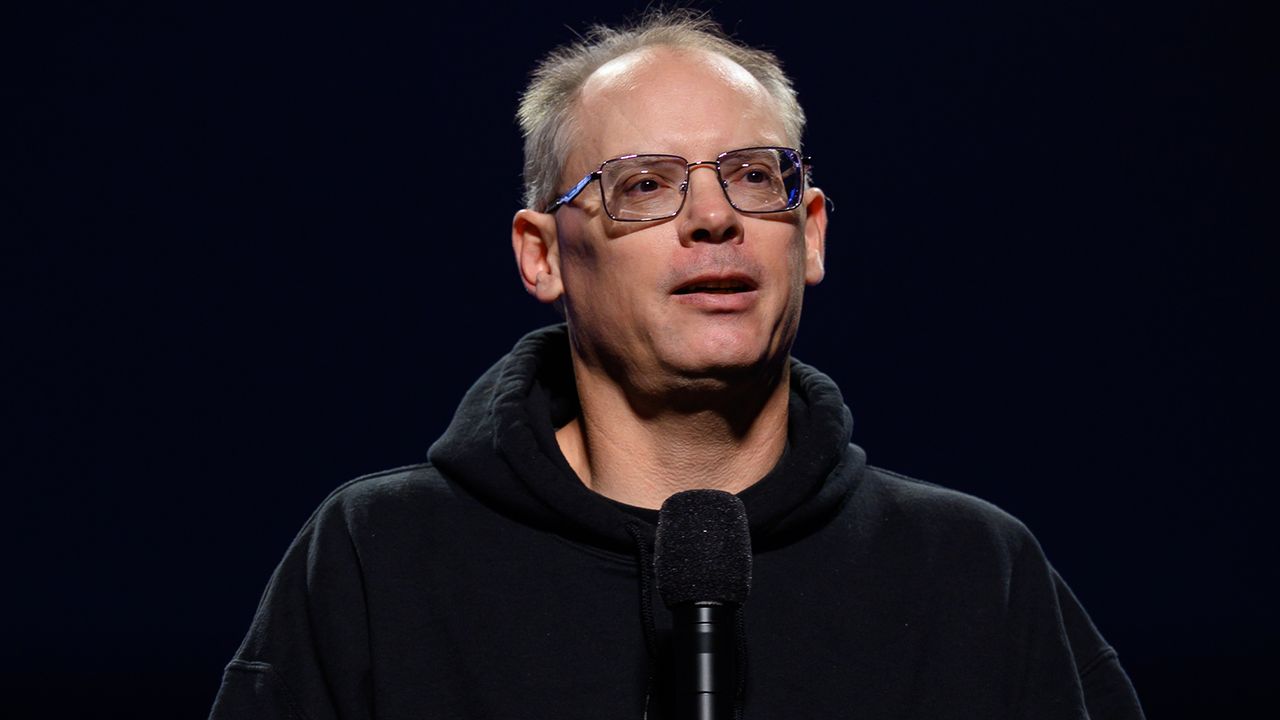
After his closing keynote, where he outlined his "hands-across-the-digital-ocean" vision, I had the chance to speak with Epic CEO Tim Sweeney to get a deeper understanding of his thoughts on the future of gaming. The following interview has been edited for length and organized by topic.
A Unified Social Experience for Gamers
In his Unreal Fest closing remarks, Sweeney highlighted how Unreal Engine developers could potentially rival platforms like Roblox by connecting their games' social systems and economies. This idea, however, raises questions about its practicality and value for players.
When asked about the concept of "Team Open," where games and their economies are interconnected, Sweeney explained that the main benefits lie in social connectivity. He noted that the current state of social ecosystems in gaming is fragmented. Each platform — whether it's Xbox, PlayStation, Switch, Steam, or bespoke systems from major publishers — operates independently, making it difficult for players to switch between games and maintain social connections.
Sweeney emphasized that Epic's social system is open to third-party developers, but many publishers have their own proprietary systems. This fragmentation creates friction for players who want to connect with friends across different platforms and games.
The Path to Interoperability
Sweeney believes that the current state of the gaming industry — with its economic challenges and platform silos — will eventually drive a shift toward interoperability. He pointed out that the idea of one company holding an absolute monopoly over gaming is no longer realistic.
"It's now clear that nobody's going to end up with an absolute monopoly over gaming," Sweeney said. "Sony is not going to have one, Microsoft's not going to have one, Valve's not going to have one, Apple's not going to have one, Google is not going to have one."
This realization, he argues, makes the case for collaboration stronger. In times of industry-wide turmoil, companies are more likely to connect systems than to further isolate themselves.
The Infrastructure Challenge
When asked whether the challenge lies more in content sharing or in infrastructure, Sweeney suggested that the low-level social substrate is actually the easier problem to solve. He pointed out that many platforms already use similar protocols for voice and text chat, and the technical barriers to unification are manageable.
Sweeney drew a parallel to the email standardization of the 1980s, where companies realized the need for a universal format. "We need Tim@Epic to be a person who's distinct from Tim@Xbox and Tim@Sony," he said. "Can I be Tim2@Xbox? If you take Tim1." [Laughs.]
These kinds of technical and safety standards are already being addressed in the gaming industry. For example, the formation of the ESRB and other international rating bodies was a response to Congressional pressure to protect children from inappropriate content. Sweeney believes a similar collaborative effort could address the safety and moderation challenges of a unified social system.
What's Next for Unreal Engine 6
With Unreal Engine 6, Epic is not only aiming to unify social systems but also to leverage AI to make game development faster and more efficient. This could be a key factor in shifting the industry away from the high-cost, high-risk model of traditional AAA game development.
Sweeney's vision is one of collaboration and integration, rather than competition and isolation. Whether this will become a reality depends on how willing the major players in the industry — including Valve — are to embrace a more interoperable future.