What if survival wasn't an achievement, but a sentence? This unsettling question sits at the heart of Subnautica 2, the highly-anticipated sequel now available in early access. While the game’s mechanics handle death through a sophisticated respawn system, its narrative poses a much deeper challenge to our identity: Is morphing into a strange alien entity actually a step backward, or is it our only way out?
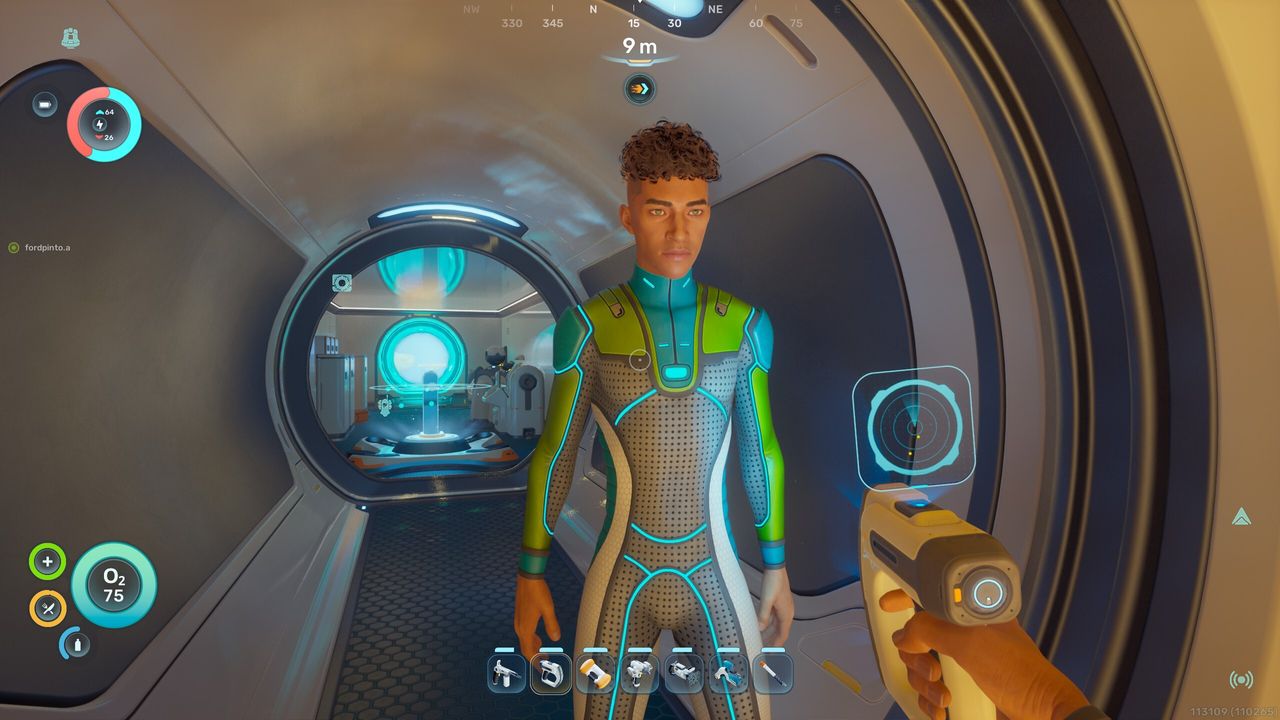
After spending dozens of hours submerged in its depths, it is clear that Subnautica 2 is a remarkably polished experience, often surpassing full 1.0 releases in terms of technical refinement. The core gameplay loop remains familiar to veterans—exploring alien oceans, encountering bizarre fauna, avoiding massive predators, and constructing underwater bases. However, the addition of co-op mode allows players to share the terror and beauty of the abyss with friends for the first time.
Beyond Crafting: Immortality as a Trap
The narrative depth in Subnautica 2 is a surprising standout. Most survival games lean into the fantasy of escaping modern civilization to live off the land. Yet, the genre has evolved; players no longer just want to reject technology—they want to build their own vertically integrated mass-production networks, effectively recreating the industrial world they sought to flee.
Subnautica 2 pushes this irony to its limit. You have crash-landed on the oceanic planet of Proteus, but death is not a true end. Your AI overseer, NOA, ensures your continued existence by reprinting your body every time you are consumed by an extrasolar kraken. This creates a unique tension where survival feels less like a triumph and more like a biological mandate.
While you can utilize locally-sourced metals to build:
- Advanced scuba gear
- Mini-subs for deep-sea traversal
- Reinforced aquatic habitats
The game gates true progression through something far more invasive than simple crafting tables.
Becoming the Other through Biological Assimilation
You are not the first colonist to be resurrected on Proteus. Many of your missing cohorts have drifted toward a massive, tree-like lifeform in the distance—a structure potentially driven by an alien virus. To survive the planet's increasingly hostile environments, you must eventually invite this alien DNA into your own biology.
Progression in Subnautica 2 requires you to borrow genetic traits from the local wildlife. For instance, navigating volcanic biomes becomes impossible without acquiring genetically-transmitted heat resistance from the native fauna. This mechanic fundamentally shifts the game's theme from simple survival to a process of total biological assimilation. As one audio log from a lost colonist poignantly notes: "If you live with something long enough on Proteus, you become related to it."
This concept of losing oneself to a larger whole mirrors recent sci-fi themes found in media like:
- Adrian Tchaikovsky’s Alien Clay (2024): Which examines an alien super-organism incorporating humanity into its collective.
- Apple TV’s Pluribus: Which explores the merits and horrors of a hivemind consciousness.
A New Kind of Transhumanism
These themes reflect a specific modern anxiety. The idea of an alien virus transforming humanity suggests a profound pessimism regarding our current trajectory in the 21st century. Unlike traditional sci-fi that demands humans cling to their individuality at all costs, Subnautica 2 suggests that our inherent "failings" might be solved by becoming something entirely different.
This represents a shift toward collective transhumanism, moving away from the individualist obsession with personal immortality. In this world, you are already immortal, but there is little glory in an eternal life spent serving a corporate computer. In that context, becoming part of a coral reef might actually be a preferable escape than remaining human.
The Long Road through Early Access
The true nature of Proteus remains shrouded in mystery. While some logs mention "Masefield syndrome" caused by specific viral strains, others suggest the infection is something to be embraced. Even the developer, Unknown Worlds, seems to be uncovering the secrets of the massive central tree alongside the players.
The studio expects a two-to-three-year stay in early access, with a roadmap that includes:
- New biomes and alien creatures
- Additional craftable items and features
- Expanded narrative arcs
While early access is rarely perfect for cohesive storytelling, Subnautica 2 poses a haunting question that lingers long after you log off: If survival is guaranteed, and humanity is the problem, is becoming something else the ultimate form of freedom?