Uni Researchers Plan to Build a Low-Carbon Data Center HiveMind Using 2,000 Pixel Smartphones
E-waste is a massive environmental problem. So are current data center plans, if recent reports are to be believed. However, a team of researchers from the University of California, San Diego, have come up with an intriguing idea: They plan to use 2,000 Google Pixel smartphones to build a cloud computing data center with already-existing tech. This project aims to repurpose outdated smartphones, reducing the need for new hardware and lowering the environmental impact of manufacturing.
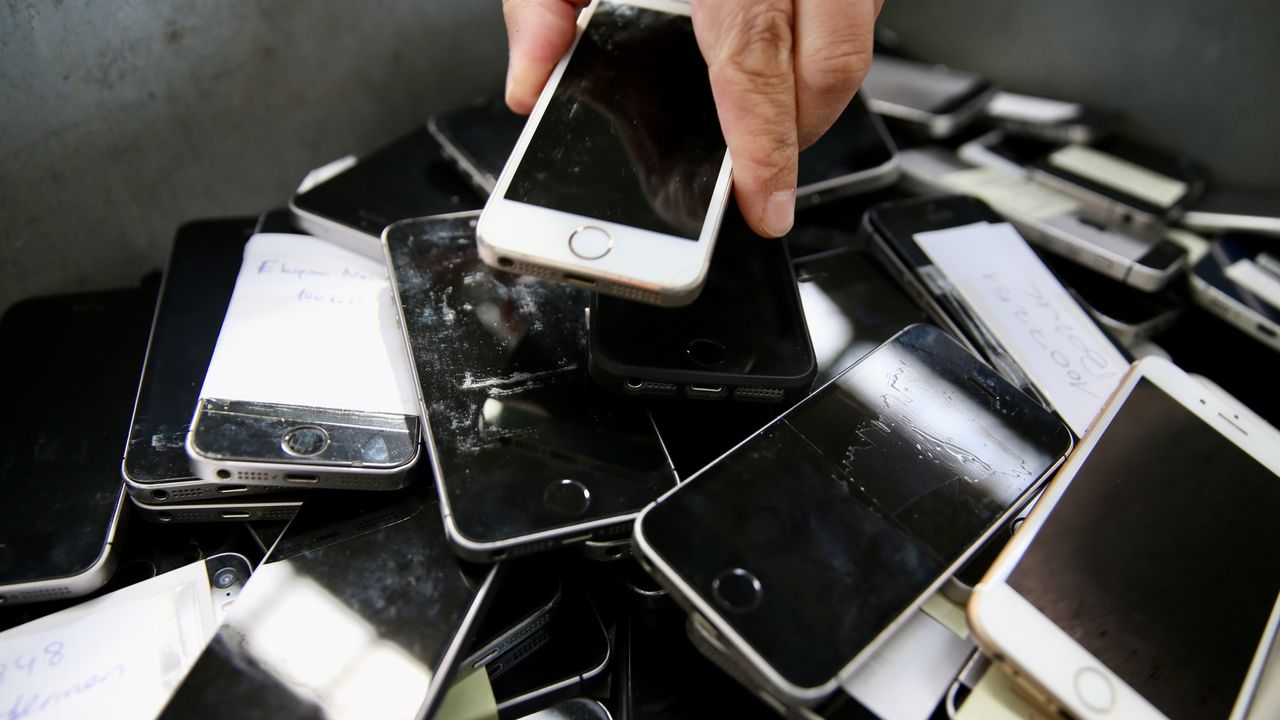
According to a Google Research blog post, on average, people replace their smartphones every four years. Many modern smartphones, though outdated by today’s standards, still contain processors, memory, and storage chips that are relatively powerful—especially when combined. This presents an opportunity to repurpose these devices instead of letting them become e-waste. The environmental benefits of this approach are clear: reducing carbon emissions from manufacturing new hardware and preventing smartphones from ending up in landfills.
How the Project Works and Its Limitations
The researchers note that the single-threaded performance of a modern smartphone's processor cores is on par with (or better than) many multicore server chips. However, modern servers are made up of dozens of multithreaded processor cores with access to a huge amount of memory, whereas a typical older smartphone only has a handful of cores and around 8-12 GB of memory to work with.
Recycled smartphones also have additional components that would be inefficient or hazardous to deploy en masse, such as batteries and displays. To address this, the researchers plan to remove everything but the motherboard and the attached chips—components that represent the most embodied carbon. These stripped-down units will then be chained together to create a server cluster for university usage, focusing on relatively lightweight applications.
The phones are orchestrated together by Kubernetes, an open-source system for managing containerized applications. Each device has a Linux distro installed, bypassing Android systems that wouldn’t be suitable for mass-server deployment—particularly features like memory-saving modes that could interfere with performance.
The Potential Impact of the Project
While the current iteration of the project is relatively small-scale, the eventual 2,000-phone data center is planned for use in grading and research applications within the universities’ existing software infrastructure. Early experiments show that even a moderately-sized cluster of 20 phones is capable of supporting peak submission rates for a 75+ student class, with grading latencies below the default AWS backend. A 2,000 phone deployment will be capable of supporting a hundred such classes at once.
The post’s authors say that Google will be supporting the project, and the aim is to provide “hundreds of researchers and students with low-cost, low-carbon cloud computing, reducing the need for newly manufactured hardware and their associated emissions.” This initiative is a promising step toward more sustainable computing practices, especially in academic settings.
The idea of reusing old smartphones for computational tasks is not only innovative but also practical. In my own home, I can think of at least five smartphones sitting in drawers doing absolutely nothing, all of which contain chips that could be used for something useful. While plugging them back in would of course lead to unused chips drawing power from the grid once more, it beats them being trampled by bulldozers at my local dump at some point in the future.
Although it must be said, I doubt this work will do much to offset the ecological concerns around Google’s own huge data center plans in the near future. However, it’s a step in the right direction, and one that could inspire more official projects like it.