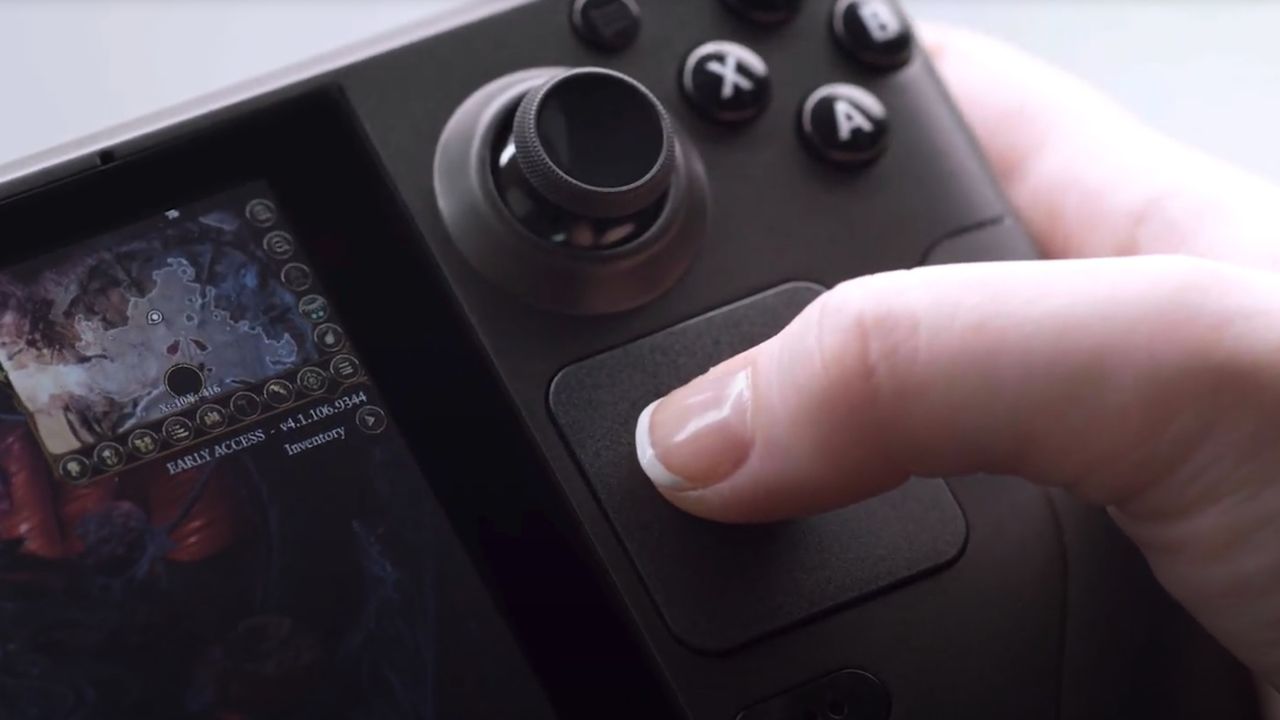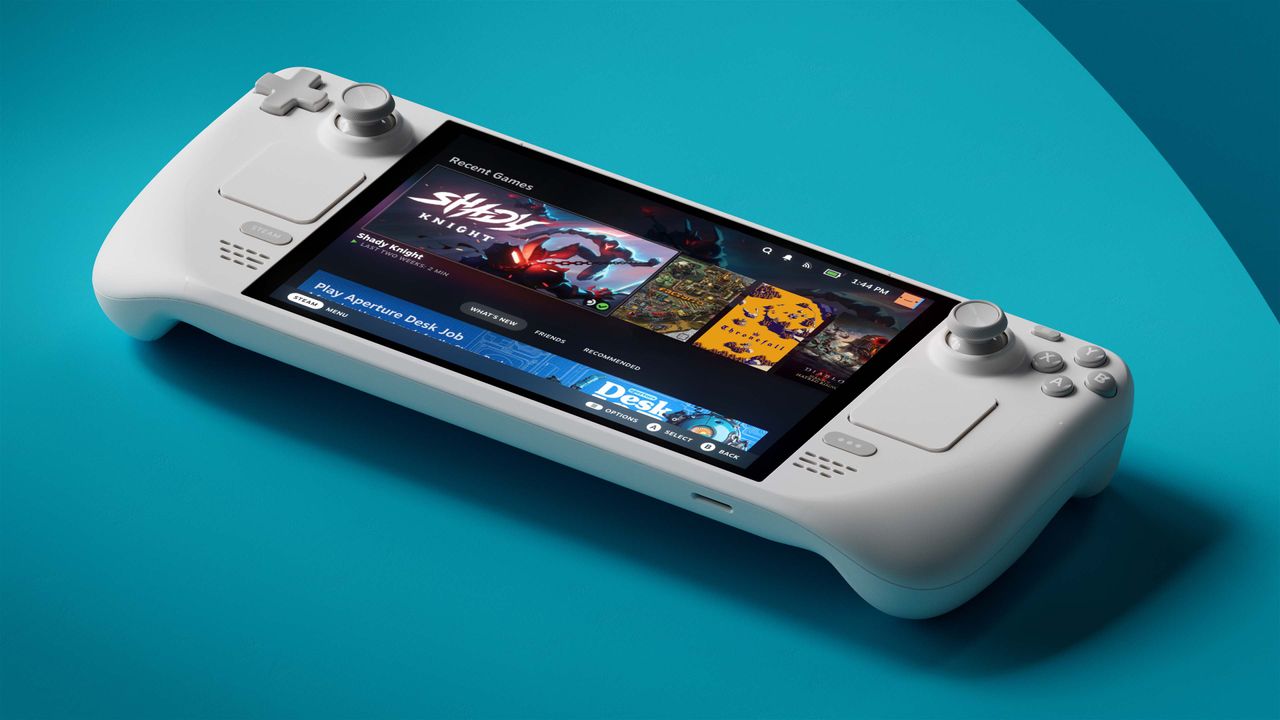
Even though it has been over four years since the original Steam Deck launched, Valve confirms they are still actively developing its successor. Despite reports of progress, there is currently no indication of a launch date for the Steam Deck 2, as the company remains focused on securing hardware that meets their high performance standards.
Valve's Development Status
In a recent discussion with IGN, Steam Deck designer Pierre-Loup Griffais stated that Valve is "hard at work" on the next iteration of their handheld console. While this confirms the project is moving forward, it offers little solace to fans hoping for an imminent release.
Griffais noted that Valve is applying lessons learned from previous hardware ventures—including the Steam Machine and Steam Controller—to ensure the new device succeeds. However, the primary obstacle remains the same: finding a sufficiently advanced APU (Accelerated Processing Unit) that offers a meaningful leap in both power and efficiency.
The Search for Next-Gen Hardware
Valve is clearly not interested in releasing an incremental update. According to Griffais, the company isn't looking for a mere 20% or 50% increase in performance if it comes at the cost of existing battery life. They are seeking a "demarcated" jump in capability.
The current hardware landscape presents a challenge for this vision:
- Current Architecture: The original Deck and the Steam Deck OLED both rely on AMD-sourced custom chips featuring Zen 2 CPU cores and RDNA 2 graphics.
- Stagnant SoC Landscape: Valve has expressed that current System on a Chip (SoC) offerings do not yet represent a true next-gen leap for a handheld.
- Manufacturing Constraints: While AMD has made strides, much of their recent tech remains tied to existing silicon nodes rather than a revolutionary new architecture.
When Can We Expect the Steam Deck 2?
The timeline for the Steam Deck 2 likely hinges on when AMD transitions its APU technology to more advanced manufacturing processes. Currently, high-end chips are utilizing TSMC's N4 silicon, but Valve will likely wait for a shift toward the TSMC N3 or even the upcoming N2 node to achieve their desired performance jump.
If Valve commissions a new custom APU based on these next-generation nodes, production might not be feasible until late 2025 or early 2026. This suggests that we shouldn't expect a retail launch until late 2027 at the earliest.
Rather than releasing a mediocre device to capture the market early, Valve seems content to wait for a hardware breakthrough that justifies a successor. For enthusiasts, this means waiting longer, but it also promises a device that actually redefines handheld gaming.