Valve Admits Lack of Bargaining Power in RAM Market
In a recent interview, Valve has openly admitted it has little to no bargaining power when it comes to purchasing memory from the limited number of companies that produce it at scale. These companies control the bulk of the market, and Valve explained that any attempt to negotiate beyond the prices offered would result in being cut off entirely.
“Look, there’s no contract; there’s nothing,” Valve engineer Pierre-Loup Griffais told Gamers Nexus. “Like, those guys… they give us a price every month, or something, and they say, ‘You can buy that many, and it’s yes or no.’ And if we say no, then they never talk to us again.”
The Impact of AI Demand on RAM Prices
The explosive growth of the AI industry has led to a surge in demand for memory components, with many AI businesses hoarding the same components that are essential for consumer electronics. As demand continues to outpace supply, RAM prices have risen sharply, affecting companies across the board.
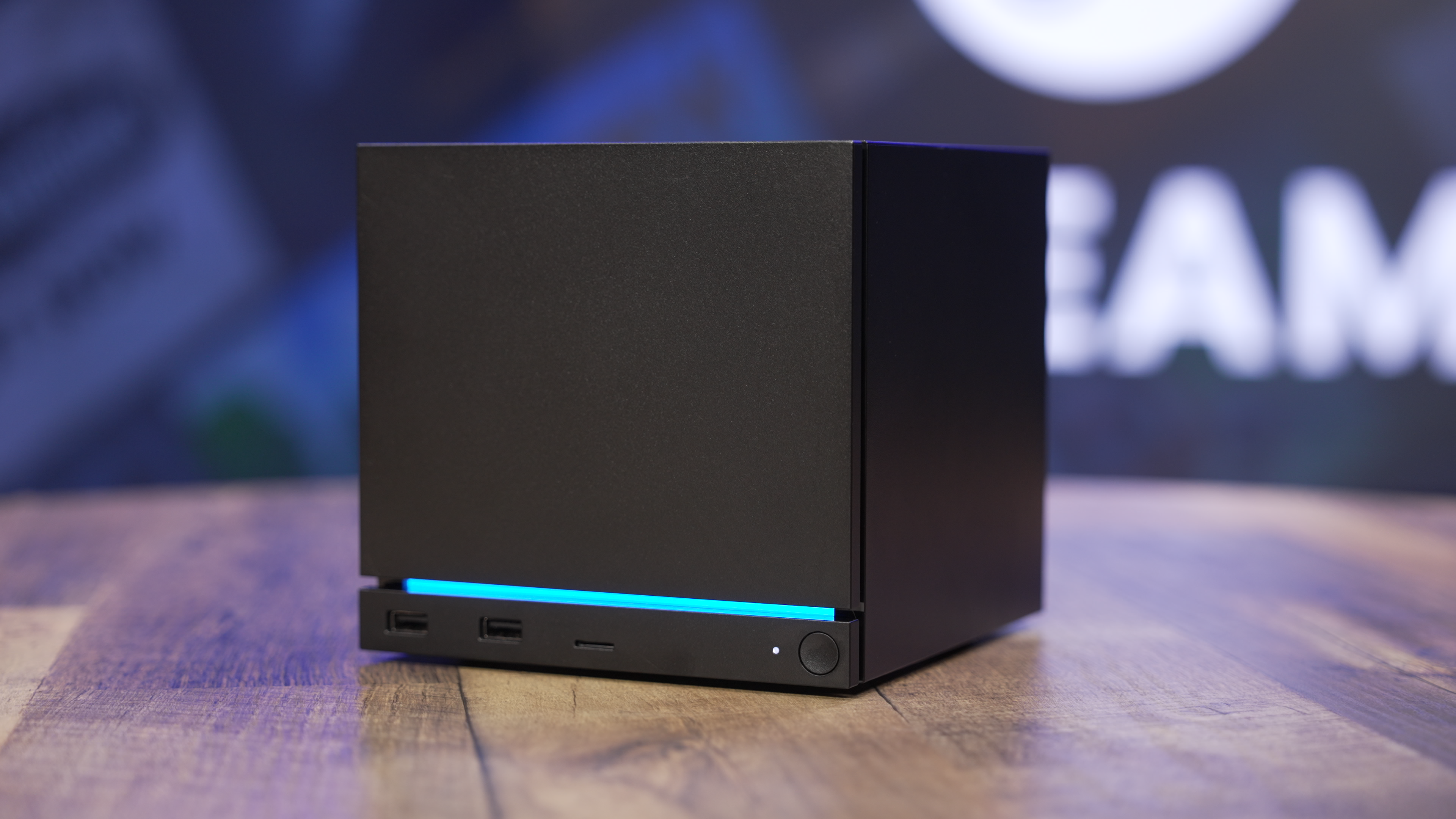
While Valve hasn’t disclosed a precise figure, it’s estimated that the Steam Machine was originally going to cost around USD $750 before the soaring RAM costs forced the final price up to USD $1049. This increase is not unique to Valve, as both Sony and Xbox have expressed concerns over the challenges of launching new consoles due to the unprecedented demand for memory and storage chips. Additionally, Apple recently acknowledged that price increases for some of its products were now “unavoidable.”
Despite the high price, Valve’s new Steam Machine remains a viable option for those looking to enter the world of PC gaming. According to IGN, while the device’s price may be a bit steep compared to the PS5 or Xbox Series X, it is still “almost certainly the easiest way to get into PC gaming right now.”
You can learn more about the Steam Machine’s price and performance in IGN’s recent interview with Valve.