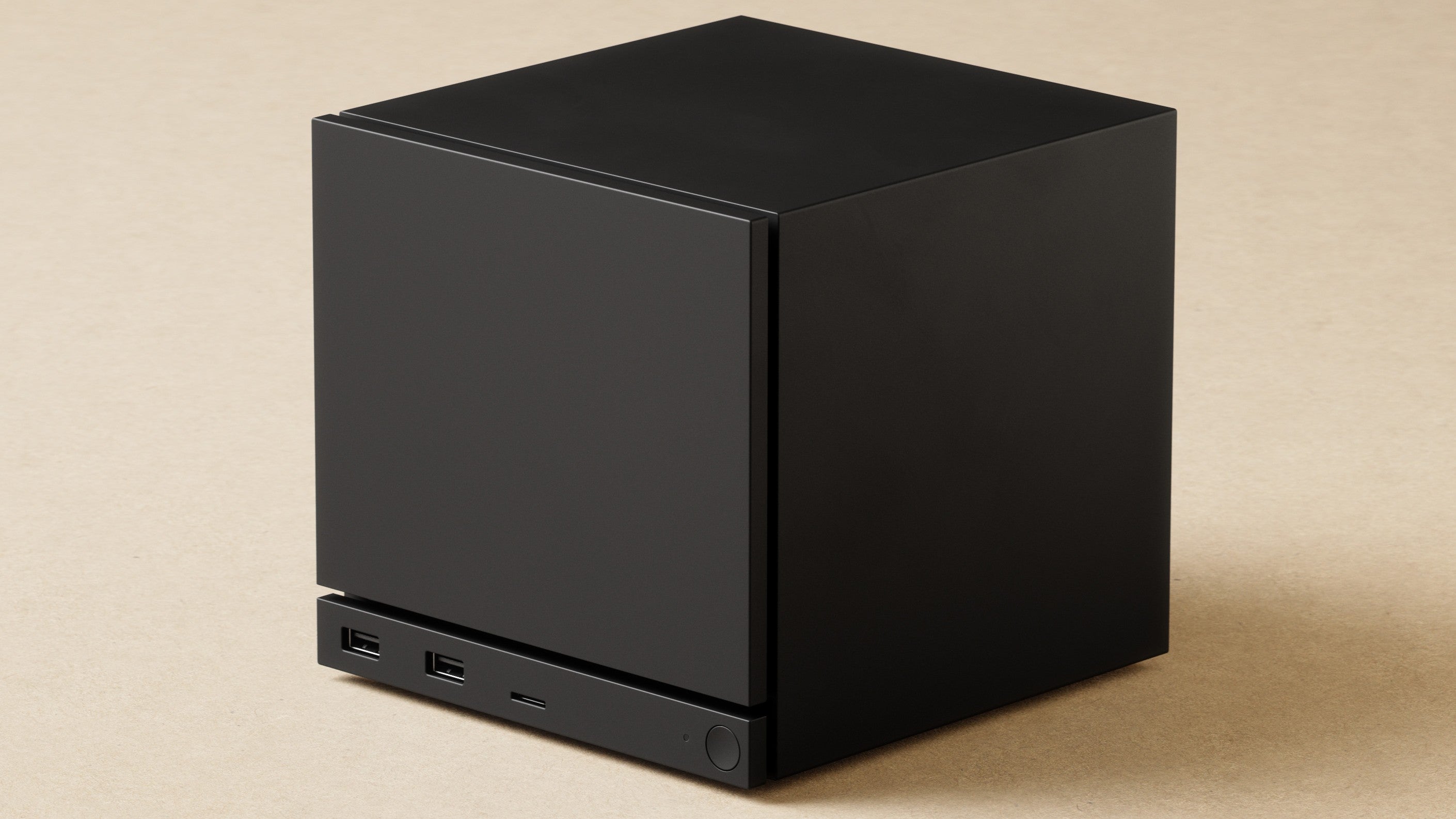
Why Valve Refuses to Subsidize Its $1,049 Steam Machine
Valve has clarified its stance on why it refuses to subsidize the Steam Machine, a new gaming PC launched at a starting price of $1,049. The decision comes amid a global shortage of components and rising costs, which have significantly impacted the pricing strategy for the device. In an interview with IGN, Valve discussed the financial implications of the hardware's price and how the ongoing RAM apocalypse has played a role in its final cost.
Before the official announcement, many speculated that Valve—known for its massive revenue from the Steam platform—could subsidize the cost of the Steam Machine to make it more accessible. This would theoretically increase the number of users on the Steam ecosystem, potentially boosting sales of games and other digital content. However, Valve has made it clear that this is not the path it intends to take.
Larian Studios’ publishing director, Michael Douse, previously suggested that Valve might be missing out on significant revenue by not lowering the price. He noted that the Steam platform is essentially a “money printing machine,” and that the difference in price between $749 and $1,049 could be more than the company would lose. Yet, he admitted that it was “not stupid” for Valve to avoid selling hardware at a loss, even if it seemed unusual.
According to Valve, the Steam Machine was initially priced at around $749, but the company had to increase the cost by about 33% due to the rising prices and scarcity of components. The decision not to absorb these costs has been explained in a post on Valve’s official website.
“We think of Steam Machine as an extension of PC gaming, not as a console,” Valve stated. “The traditional console model is to sell hardware at a loss and make up the revenue with subscription services or by selling games that are locked-in to the hardware. We think this can make sense for a single business in the short term, but open ecosystems are better for customers over the long term.”
This perspective contrasts sharply with the business models of traditional console manufacturers like Microsoft and Sony, who typically sell hardware at a loss and rely on software and services for profit. However, the console industry is also facing its own challenges with rising prices, as Asha Sharma, new Xbox boss, recently noted. She warned that the increasing cost of components—driven by global crises and the rise of AI—would force the industry to adopt “radically different business models” in the coming years.
For the first time in recent memory, the PlayStation 5 and Xbox Series X/S have seen price increases over the past five years instead of cost savings. Nintendo has also raised the price of its upcoming Switch 2, acknowledging the trend in hardware costs.
The Steam Machine is now available in four different configurations, with options to reserve them through Valve’s website. Here are the available options:
- Steam Machine 512GB: $1,049 USD / 1,509 CAD / 1,039 EUR / 879 GBP / 1,609 AUD / 4,389 PLN
- Steam Machine 512GB + Steam Controller: $1,128 USD / 1,628 CAD / 1,108 EUR / 938 GBP / 1,728 AUD / 4,698 PLN
- Steam Machine 2TB: $1,349 USD / 1,919 CAD / 1,359 EUR / 1,149 GBP / 2,109 AUD / 5,739 PLN
- Steam Machine 2TB + Steam Controller: $1,428 USD / 2,038 CAD / 1,428 EUR / 1,208 GBP / 2,228 AUD / 6,048 PLN
Both the Steam Machine 2TB and its bundled version come with two additional faceplates: red fabric and solid walnut.