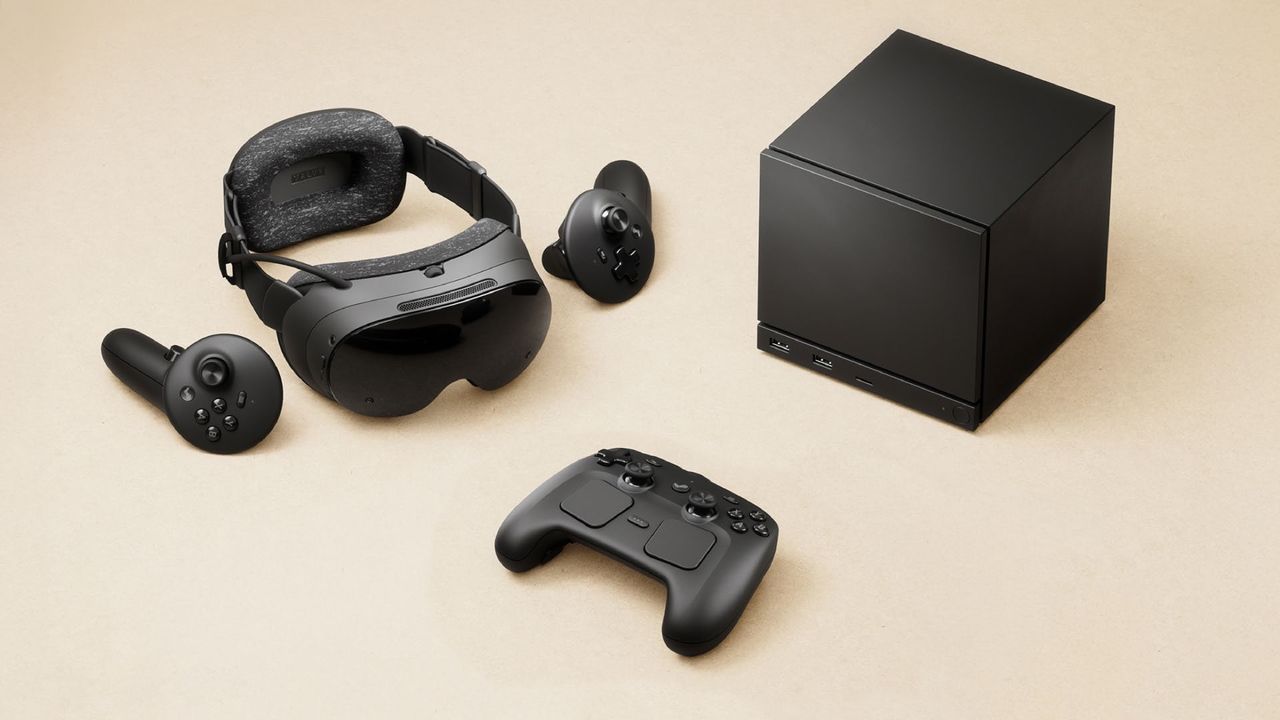
Valve has officially released SteamOS 3.8, the latest version of its Arch-based Linux distribution designed for use on Steam Deck, Steam Machine, and Steam Frame. This update marks the end of a beta phase and brings a variety of improvements, including initial support for upcoming Steam Machine hardware. While the patch notes don’t confirm specific hardware details, it’s clear that Valve is preparing for new devices to enter the market soon. Additionally, users can now wake a SteamOS device from sleep mode using a connected Steam Controller, a handy feature for those who frequently use their devices in living room setups.
One of the most notable changes in SteamOS 3.8 is the default shift from X11 to Wayland for desktop mode. These are two display servers used in Linux environments, with X11 being the older, more established option and Wayland representing the newer, more secure alternative. The move to Wayland by default is expected to improve performance, scaling on TVs, and support for external HDR and VRR (Variable Refresh Rate) displays. For users who rely on their Steam Deck as a hybrid gaming and desktop device, this is a significant upgrade that could make the experience more seamless and efficient.
The update also includes new BIOS firmware for both LCD and OLED Steam Deck models. For the LCD version, the changes are relatively minor, adding preliminary support for device hibernation. The OLED model, however, sees a more visible improvement — the charging LED now reflects the user's chosen charging settings. If you’ve set your Deck to stop charging at 80% for battery health, the LED will now turn green when that threshold is reached, rather than staying in a constant "charging" state. This small but thoughtful change could make managing your device’s battery life more intuitive.
Here are the key highlights from the full patch notes:
-
General
- Updated Arch system base
- Initial support for upcoming Steam Machine hardware
- Added support for waking from sleep via connected Steam Controller
- Improved speed of future OS updates on high-speed connections
- Enhanced support for screen casting in Game Mode (e.g., OBS/Discord)
- Fixed issues with dropdown menus not appearing in some games
- Reduced trackpad sensitivity on certain early Steam Deck LCD models
- Improved support for games that open PDF files in external viewers
- Fixed video output freezing during Remote Play
- Resolved session crashes related to Game Recording and specific settings
- Fixed incorrect positioning of game windows for certain titles
- Improved closing of titles like STAR WARS Jedi: Survivor™ and Starfield
- Enhanced support for USB racing wheels and non-standard USB devices
- Steam Deck controller firmware updates now show progress on the splash screen
- Fixed issues where firmware updates could render the left controller inoperative on some devices
- Numerous stability and security updates
-
Display / Performance
- Updated graphics driver with performance and stability fixes
- Added preliminary support for HDMI VRR on devices with native HDMI output
- Fixed an issue where "Allow Tearing" wasn’t functioning correctly in certain configurations
- Improved VRR frame pacing
- Fixed an issue where the FSR badge remained off in the performance overlay
- Added missing graphics features required for games like Crimson Desert
- Fixed a display issue on certain TCL TVs when using the Steam Deck Dock with VRR enabled
- (Requires a Dock firmware update)
-
Bluetooth / WiFi
- Fixed cases where WiFi performance could degrade until the device was put to sleep or manually reconnected
- Re-enabled Bluetooth Wake for Steam Deck LCD
- Fixed spurious wake issues from earlier attempts
-
Audio
- Detect HDMI channel count and expose surround configuration if available
- Added a setting to use Bluetooth headset mics (with reduced playback quality during capture)
- Restore internal audio device on reboot if set to "Off" in desktop mode
- Increased suspend timeout for HDMI devices to prevent audio cutoff after inactivity
- Fixed input switching issues when a wired headset is plugged in
- Resolved audio underruns after sleep/resume
- Fixed a bug on Steam Deck OLED where speaker output could be lost after reboot
- Fixed an issue where FPS limits failed to apply when downscaling games
-
Accessibility
- Added an option to force mono audio output
-
Desktop Mode
- KDE Plasma updated to version 6.4.3 from 6.2.5
- Now defaults to Wayland for improved performance and security
- Fixed several cases where Desktop Mode was slower than Game Mode
- Improved support for rotated displays
These updates are a solid step forward for SteamOS, and while the Steam Machine remains a bit of a mystery in terms of hardware specifics, the inclusion of initial support in this release suggests that Valve is actively working on new devices for its ecosystem. With continued improvements to desktop mode, display support, and audio features, SteamOS 3.8 looks like a major update that benefits both casual users and power users alike.