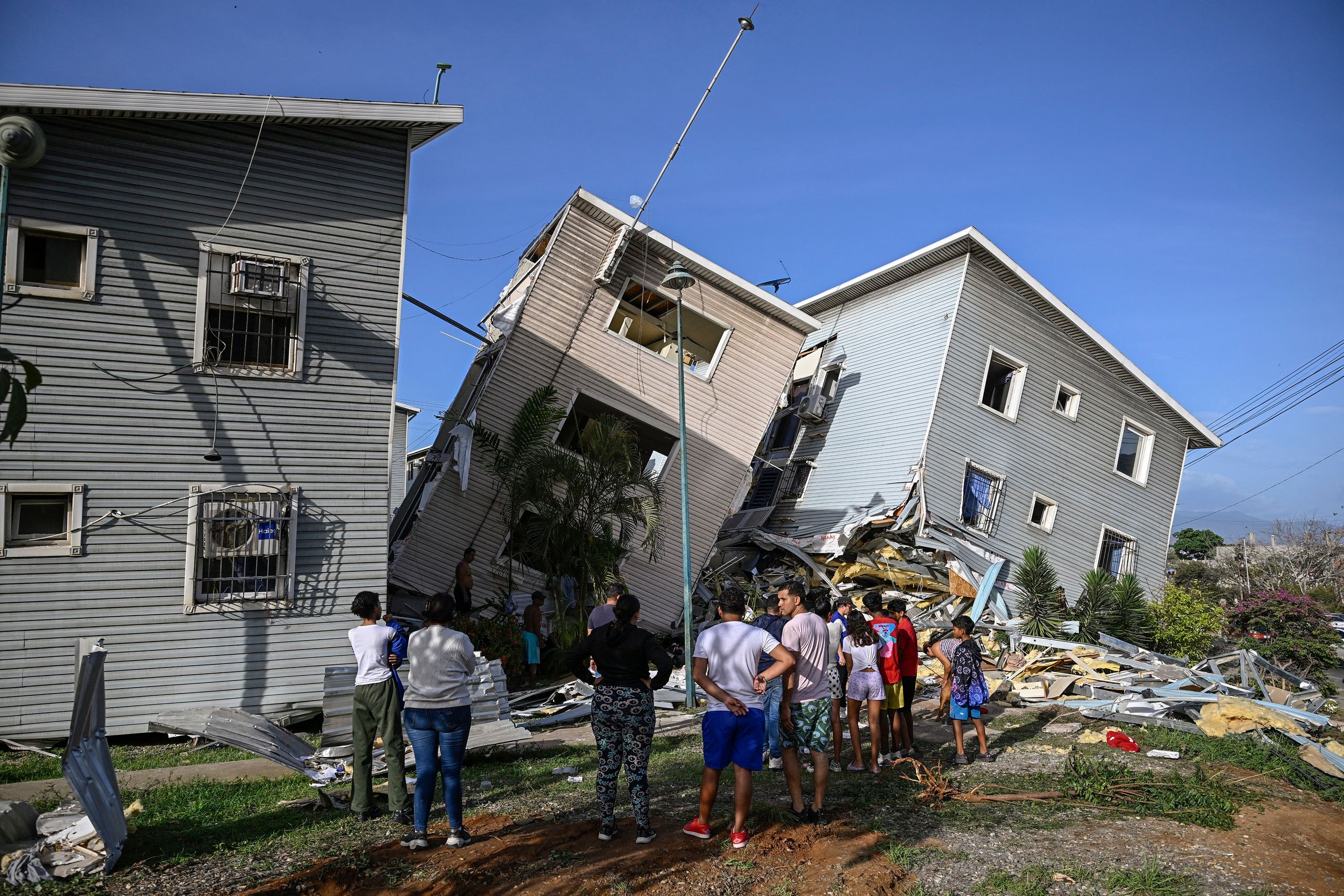
Venezuela’s Powerful Earthquakes Were a Rare ‘Seismic Doublet’
The rare occurrence of two major earthquakes striking Venezuela in less than a minute apart defied initial expectations, revealing the complex and sometimes unpredictable behavior of the Earth's crust. In a nation not typically associated with frequent seismic activity, the 7.2 and 7.5 magnitude quakes formed a seismic doublet, a phenomenon where two earthquakes of similar magnitude strike nearly simultaneously in close proximity. This rare event has sparked new interest among geologists, offering a unique opportunity to study how tectonic stress is transferred between fault segments.
A Rare Seismic Event in a Region of Relative Stability
Venezuela’s location at the boundary between the South American and Caribbean plates places it in a tectonic zone prone to lateral movement, yet historically, the country has experienced fewer major earthquakes compared to regions like California or Japan. The recent doublet, however, has changed that narrative. The quakes struck just 39 seconds apart, their epicenters located near the town of Yumare, about 160 kilometers from Caracas. This proximity and timing suggest a direct stress transfer mechanism, where the first rupture triggered the second by altering the pressure dynamics along the fault line.
The Mechanics of Stress Transfer and Fault Interaction
According to geological experts, the first earthquake likely caused a segment of the fault to rupture, releasing built-up stress that then affected a neighboring segment. This stress transfer, as explained by Durham University’s Mark Allen, is a key factor in triggering the second quake. The region’s tectonic configuration—where plates move laterally, similar to the San Andreas Fault—creates conditions favorable for strike-slip earthquakes, which are often more damaging due to their shallow depth and sudden horizontal movement.
- Strike-slip earthquakes are typically more destructive than subduction zone quakes due to their shallower depth and sudden horizontal movement.
- The stress transfer between fault segments is a rare but well-documented phenomenon in earthquake science.
- Caracas, located near the fault line, faces a heightened risk of aftershocks due to the recent seismic activity.
The USGS estimates that the likelihood of such a sequence is only about 5 percent, underscoring the rarity of the event. As research continues, scientists are analyzing how these quakes might inform future risk assessments and disaster preparedness, particularly in regions with similar geological characteristics.
The immediate consequences of the quakes were severe, with at least 164 confirmed deaths and nearly 1,000 injuries. Vulnerable infrastructure and high population density in the affected areas amplified the impact. The full death toll may rise significantly, depending on factors like building quality and emergency response. These events have also triggered renewed concern for the stability of the region’s fault lines and the potential for future seismic activity.
Looking ahead, the quakes highlight the need for improved seismic monitoring and building codes in the area. While the scientific community continues to study the mechanics of stress transfer and fault interactions, the event serves as a stark reminder that even regions with relatively low seismic activity are not immune to catastrophic natural events. As Venezuela rebuilds, the focus must remain on long-term resilience and preparedness, ensuring that future seismic doublets are met with infrastructure and policies that can withstand the unpredictable forces of the Earth.