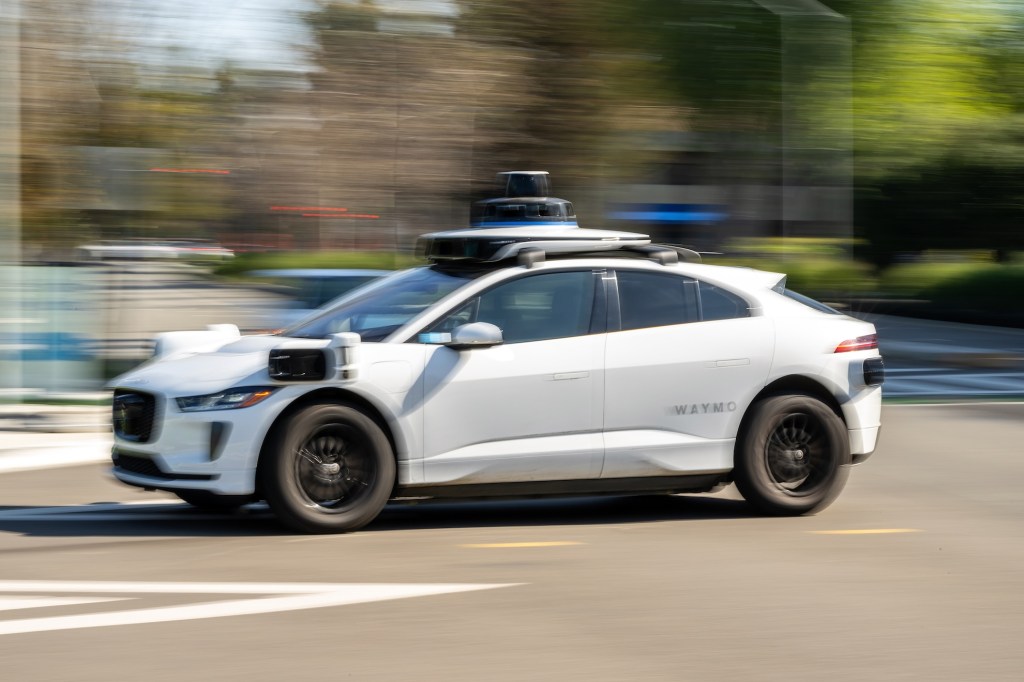
Waymo Recalls Nearly 4,000 Robotaxis to Stop Them Driving into Highway Construction Zones
The increasing complexity of urban infrastructure is exposing critical limitations in autonomous driving systems, particularly in environments where human oversight is minimal. Waymo’s recent recall of nearly 4,000 robotaxis, following multiple incidents where vehicles drove into highway construction zones, highlights the growing challenges of deploying self-driving technology in dynamic, unpredictable settings. This move is not just a technical correction but a stark reminder that the path to full autonomy is littered with edge cases that demand ongoing refinement and regulatory scrutiny.
Autonomous Systems Struggle with Unpredictable Road Conditions
Waymo’s issues with construction zones reveal a deeper problem: autonomous vehicles are still ill-equipped to interpret and react to temporary or poorly marked changes in the environment. Unlike fixed traffic patterns or well-maintained roadways, construction zones are often temporary, with signage that can be ambiguous or inconsistent. This has led to a series of high-profile incidents where the robotaxis either failed to recognize the signs altogether or misinterpreted them.
- The Phoenix incidents in April involved vehicles driving into closed lanes despite visible signage.
- In San Francisco, seven robotaxis entered active construction zones in May due to a software flaw.
- Waymo's internal review identified that its systems were "prioritizing the avoidance of other freeway hazards and/or failing to recognize the construction zone."
These failures underscore the gap between the controlled environments in which autonomous systems are tested and the chaotic realities of real-world driving. The company’s decision to pull its vehicles from highways is a temporary measure, but it raises questions about the readiness of autonomous technology for widespread deployment.
A Pattern of Recalls Points to Systemic Vulnerabilities
This is not the first time Waymo has had to issue a recall for its robotaxis. Earlier this year, the company pulled vehicles from flooded roads, and in December, it addressed a problem with illegal behavior around school buses. The repeated need for software fixes suggests that the technology, while advancing, is still prone to errors in edge cases that human drivers typically handle instinctively.
The NHTSA and National Transportation Safety Board are currently investigating Waymo’s software behavior, particularly after an incident in January where a robotaxi struck a child near a school. This scrutiny comes as the company expands into over 20 new cities, including international markets like London and Tokyo, where road conditions and signage may be even more varied.
Despite these setbacks, Waymo maintains that its vehicles have driven over 170 million miles autonomously and claim a 13x reduction in serious-injury crashes compared to human drivers. However, these statistics are based on data from a limited set of operating environments, and the recent recalls suggest that real-world unpredictability may be testing the limits of that safety record.
Looking Ahead: The Road to Full Autonomy is Anything but Smooth
The recall serves as both a cautionary tale and a call to action for the autonomous vehicle industry. As companies push to scale their services, the complexity of real-world driving conditions is becoming increasingly apparent. The incidents with construction zones are a symptom of a larger issue: the need for more robust, context-aware AI that can adapt to changing environments without human intervention.
For Waymo and its competitors, the challenge now is not just to fix the immediate issues but to build systems that can handle the full spectrum of driving scenarios. This includes refining perception systems to recognize temporary signage, improving decision-making in ambiguous situations, and ensuring that safety protocols are as comprehensive as the environments they operate in.
The recall may slow Waymo’s expansion in the short term, but it also provides an opportunity to refine its technology. As the company continues to develop and deploy its robotaxis, the focus must shift from rapid growth to sustainable, reliable integration with existing transportation systems. Only then can the promise of autonomous driving be realized without compromising safety.