Xbox lost 'millions' of Game Pass subscribers after last year's massive price hike
Microsoft recently rolled back the steep Game Pass price hikes introduced in 2025, bringing them down to nearly their previous levels. This adjustment was made in response to widespread dissatisfaction, though the company still hasn't fully returned to the original pricing structure. The move came shortly after Xbox CEO Asha Sharma acknowledged that the prices were too high. However, it now appears that the impact of those increased prices was even more severe than many had anticipated.
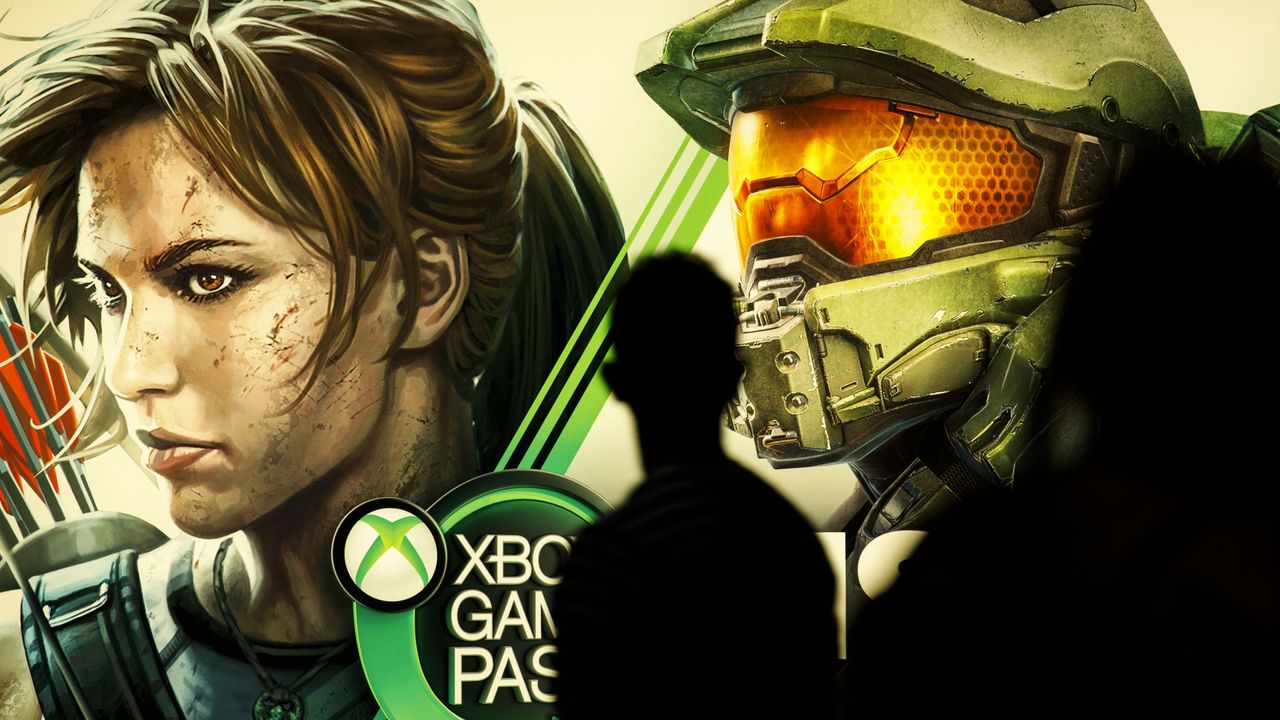
During a Summer Game Fest interview with Game Business Live, reported by GameSpot, Matthew Ball—games industry analyst and newly appointed Xbox chief strategy officer—revealed that Game Pass lost "millions" of subscribers in the months following the October 2025 price increase. This adjustment saw the top-tier Game Pass Ultimate subscription rise by 50%, from $19.99 to $29.99 per month.
The Cost of Price Reductions
Such massive subscriber losses would explain why Sharma focused on reducing Game Pass prices. However, this decision came with its own trade-offs. For example, Call of Duty games will no longer be available on Game Pass at launch. Instead, they will be added approximately a year after their release. Despite these changes, the immediate impact of the price reduction was positive. Sharma noted in May—just a month after the price cut was announced—that "we have seen [Game Pass] acquisitions grow and retention improve," calling it "a good first step" toward recovery.
Ball echoed this sentiment, stating that the revised Game Pass Ultimate price of $22.99 per month—still an increase but much less dramatic—is "resonating" with gamers. This price cut is just one part of a broader strategy to revitalize Xbox.
A Broader Push for Xbox Revival
While Sharma's leadership at Xbox was initially expected to be short-lived, recent actions like the Game Pass price cut and a return to console exclusives indicate a serious effort to regain competitiveness in the console market. Whether these efforts will succeed remains uncertain, and much of the current push seems to be driven by nostalgia rather than substantial innovation. Still, the fact that Microsoft is making these changes at all is a significant development.