Zoox Upgrades Its Robotaxi as It Prepares for Commercial Service
The push toward autonomous mobility is accelerating, with companies like Zoox refining the final pieces of the puzzle before large-scale deployment. As the company eyes a commercial rollout of its robotaxi later this year, it has implemented design and functional upgrades that reflect the growing expectations of consumers and regulators alike. These changes are not merely cosmetic — they represent a critical step in transforming a futuristic concept into a viable, user-friendly service.
Interior Design Prioritizes Comfort and Usability
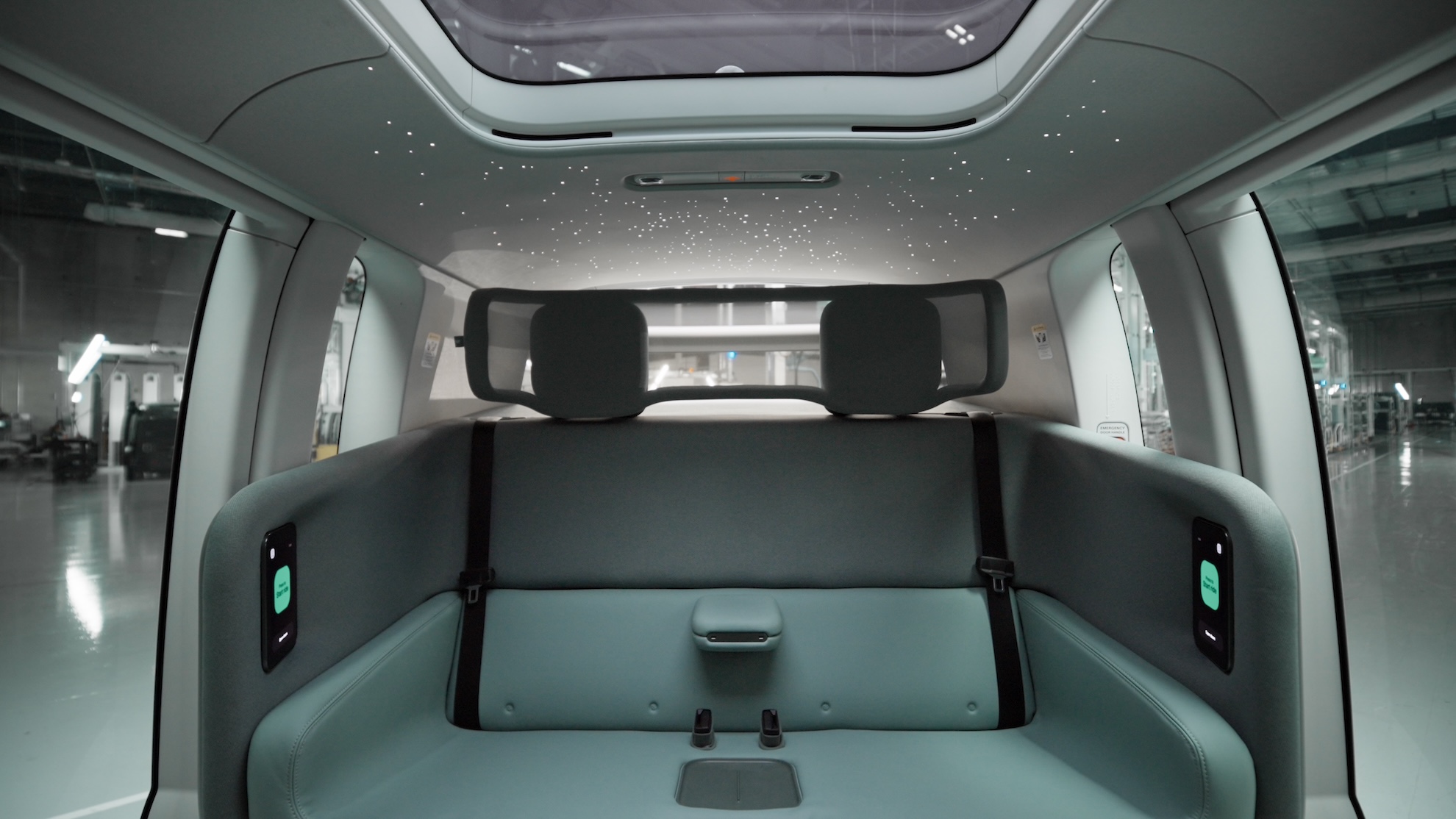
Zoox’s robotaxi has long been defined by its radical, cube-like shape and lack of traditional driving controls. But the company has recently focused on making the experience inside more intuitive and comfortable for riders. The interior redesign includes padded, ergonomically curved seats and headrests, a lighter color scheme with aloe green seating and stone grey flooring, and improved features like fluted charging pads and larger cupholders.
The lighter palette was chosen to create a calmer environment and enhance visibility of personal items like smartphones. A more visible touchscreen now allows for easier interaction with the vehicle’s systems. The overall design avoids the visual clutter found in traditional cars, maintaining a focus on simplicity and rider experience.
These updates reflect a deeper understanding of what makes a robotaxi distinct from a conventional vehicle — not just in terms of autonomy, but in how it engages with users.
Exterior Enhancements Improve Safety and Communication
On the outside, Zoox has made improvements to ensure that its robotaxi can safely and effectively interact with both people and other vehicles. The bidirectional reflectors have been relocated for better visibility, and the vehicle now features new speakers and microphones on its door interface, enabling two-way audio communication with riders, road users, and emergency services.
The upgrades were designed to facilitate smoother interactions with the public and to meet the practical demands of operating at scale. According to Chris Stoffel, director of robot industrial design and studio engineering at Zoox, the changes are meant to distinguish the Zoox experience from traditional vehicles while maintaining a high degree of usability and safety.
Regulatory Roadblocks Remain Before Full Launch
Despite these advancements, Zoox still faces a major obstacle: federal regulatory approval. The company has requested a commercial exemption from the National Highway Traffic Safety Administration (NHTSA), as its vehicle lacks the standard steering wheel and other controls required by law. While an exemption was granted in 2025 for testing on public roads, a commercial exemption is still pending.
If approved, Zoox will be able to begin offering paid rides to the public. Until then, the company is running free trials in cities like Austin, San Francisco, Las Vegas, and Miami, using these real-world tests to fine-tune its operations and gather data.
Zoox’s efforts highlight the complex interplay between innovation, user experience, and regulatory compliance in the autonomous vehicle space. As other companies race to bring similar services to market, Zoox’s latest upgrades suggest that the focus is shifting from just making the technology work to ensuring it feels right for the people who will use it. With a production facility now up and running, the next step is not just about building more robotaxis — it's about proving that they can be part of everyday life.