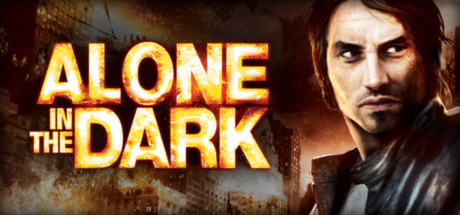
The survival horror genre traces its roots back to a single, chilling concept, and Alone in the Dark (2008) attempts to bring that foundational dread into a modern, cinematic light. Serving as a reimagining of the classic series, this action-adventure title places players in the shoes of Edward Carnby, a gruff, amnesiac protagonist thrust into a nightmare unfolding across a disaster-stricken New York City. As Carnby, you must navigate a terrifying re-creation of Central Park to uncover the truth behind a dark conspiracy that threatens the very fabric of reality.
An Episodic Descent into Terror
One of the most distinct aspects of Alone in the Dark (2008) is its unconventional narrative structure. Drawing inspiration from the presentation style of popular action TV dramas, the game is divided into several distinct episodes. Each episode provides approximately 30 to 40 minutes of intense gameplay, designed to deliver a high level of tension without overwhelming the player. To ensure seamless immersion, each new session begins with a video summary of previous events, while every episode concludes with a nail-biting cliffhanger.
The story, penned by New York Times bestselling author Lorenzo Carcaterra, provides a deep, atmospheric backdrop for the chaos. As you traverse the free-roaming environment, you will encounter a world that blends real-time physics with full environmental interaction, creating a highly detailed setting where every corner of Central Park holds potential danger.
Innovative Gameplay Mechanics
Beyond its narrative structure, the game introduces several unique systems that differentiate it from standard action-adventure titles:
- Visual Inventory System: In a subversion of traditional menus, players manage their items by literally looking down at Carnby’s jacket and belt pockets to see what they have gathered. and Tactical Vehicle Use: Vehicles are more than just transport; they serve as integral components of the game's puzzles and solutions.
- Dynamic Combat: A wide range of weapons are available to combat enemy agents and confront the source of the evil itself.
- Environmental Interaction: The use of real-time physics allows for a more reactive world, where players can interact with their surroundings to survive.
A Challenging Experience
While Alone in the Dark (2008) boasts ambitious systems—such as seeing Carnby tend to his wounds visually—it is an experience that requires patience. The game has been noted for its technical shortcomings and "vexing" flaws, which can occasionally hinder the gameplay flow. However, for those who can look past these hurdles, the game offers a unique and rewarding adventure that attempts to evolve the legacy of survival horror icons like Resident Evil and Silent Hill.
This title appeals most strongly to fans of action-adventure games who enjoy cinematic storytelling, atmospheric exploration, and experimental gameplay mechanics. If you are looking for a gritty, episodic journey through a crumbling urban landscape filled with mystery and intense thrills, this revival of the Alone in the Dark name offers a hauntingly ambitious experience.