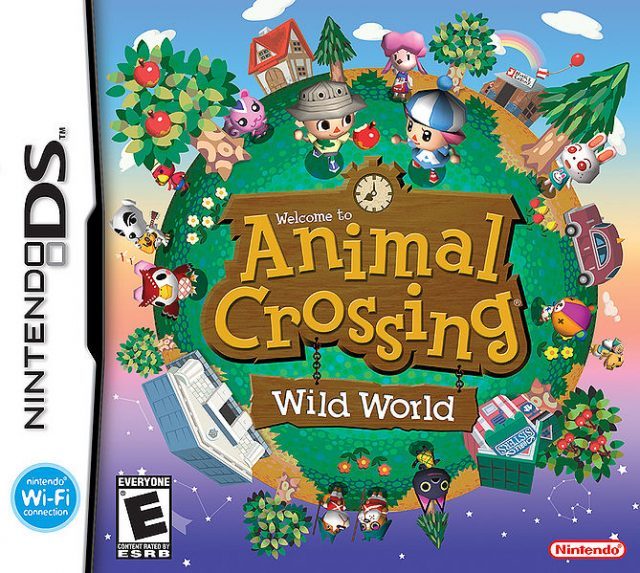
Animal Crossing: Wild World is a seminal simulation title that redefines casual gaming through open-ended creativity and social interaction. Originally released for the Nintendo DS in late 2005, this second main installment in the franchise allows players to craft a personalized life in a charming village populated by anthropomorphic animals. The game has also been preserved for modern audiences via the Wii U Virtual Console, offering features like off-TV play while retaining the core charm of the original design. With a Metacritic score of 86.00, the game is recognized for its engaging loop and deep customization options.
Gameplay Mechanics and the Living Village
The core of Animal Crossing: Wild World revolves around managing your daily life through relatable, yet whimsical, tasks. Players begin in a tent and must pay off a mortgage to Tom Nook, the town's merchant, to expand their home. The gameplay loop encourages exploration and collection; you will dig up fossils, catch fish and bugs, and harvest fruit to sell or donate. A dynamic calendar system drives the experience, syncing with the console's internal clock to simulate the passage of time. This ensures that seasons change, special events like flea markets occur, and rare items appear at specific times of the year.
- Home and Town Customization: Players can design their own patterns for clothing, flags, and floor tiles. Over 600 items are available to decorate homes and landscape the town with trees and flowers.
- Museum Development: Donations of art, fossils, and creatures help build the town museum, curating a collection that grows as you explore.
- Event-Based Play: The game features a roster of special characters, including the traveling merchant Crazy Redd and hair stylists, who visit based on scheduled events, rewarding regular engagement.
Character Depth and Connectivity in Animal Crossing: Wild World
Villagers in this title are a standout feature, offering dialogue that is often unpredictable, humorous, and occasionally blunt. This creates a sense of genuine connection, as residents may offer odd topics, insults, or heartfelt messages that feel organic rather than scripted. Key NPCs like Blathers and Sable have extensive backstories revealed through gameplay triggers, adding narrative layers to the simulation.
Connectivity was a major innovation for this portable release. The game supports local wireless multiplayer and Nintendo Wi-Fi Connection, allowing up to four players to visit each other's towns simultaneously. This social aspect allows players to trade items, show off designs, and interact with friends' villages, making the world feel alive even when played with others.
Platform Availability and Audience Appeal
Animal Crossing: Wild World is available on the Nintendo DS (Game Card) and the Wii U (Digital Download via Virtual Console). The Wii U version includes the added benefit of off-TV play, allowing the game to run entirely on the handheld screen.
While the DS hardware results in a pixelated visual style and digital controls that can challenge precise bug-catching, the design remains deeply addictive. The game appeals to players seeking a relaxing, goal-free environment where the only limit is creativity. It is perfect for those who enjoy long-term progression, personal expression, and games that continue to evolve even when the system is powered off. Selling over 11.75 million copies, it remains a definitive entry for fans of simulation and social life games.