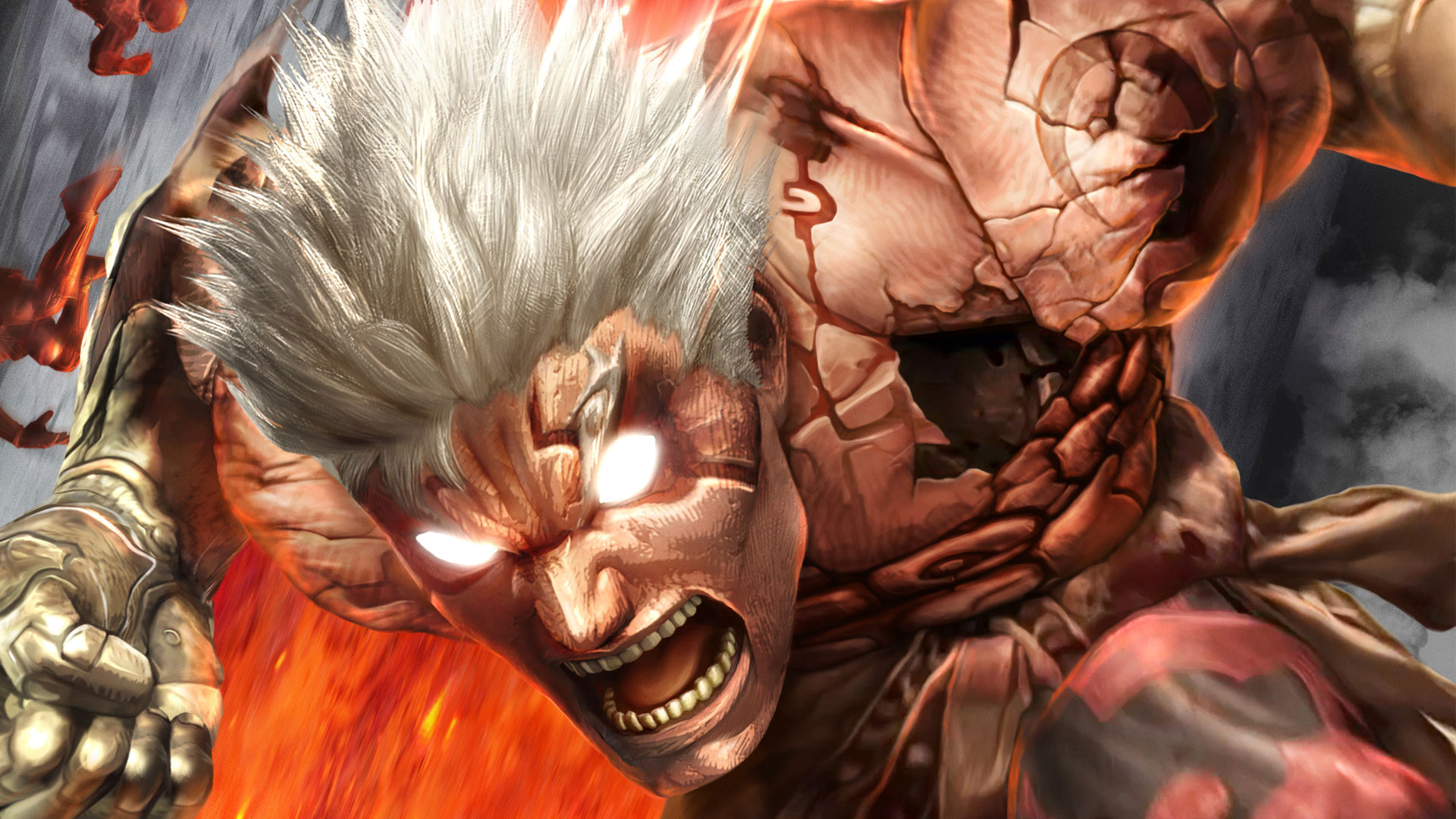
Asura's Wrath is an intense Action and Adventure title that was released for the Xbox 360 and PlayStation 3 platforms on February 21, 2012. Having garnered a Metacritic score of 71.00, this title distinguishes itself through a narrative driven by raw emotion and a unique structural approach to storytelling. It offers a gaming experience that is as much about the narrative journey as it is about the visceral combat mechanics involved.
The Story of Asura's Wrath
The narrative foundation of **Asura's Wrath** centers on a tragic fall from grace. The protagonist, Asura, is introduced not as a monster, but as a "revered deity," suggesting a character of immense status and power in the eyes of the world. However, the story begins with a profound sense of betrayal; Asura is betrayed by his own "fellow gods." This treachery results in him being "stripped of all his powers," reducing a god to a vulnerable state.
The driving force of the game is the emotional reaction to this injustice. Asura is "consumed by anger," a feeling that does not fade but instead transforms into a weapon. The game posits a unique mechanic where the character "discovers he can use this fury to his advantage." This suggests a gameplay loop where the player must manage and utilize the protagonist's emotional state. Asura swears "vengeance," setting the stage for a relentless pursuit against the specific deities who wronged him, alongside their "earthly forces."
Gameplay Mechanics and Narrative Structure
Asura's Wrath diverges from traditional game pacing by adopting a structure "inspired by episodic dramas." This means the game is not merely a continuous stream of combat but is "split into distinct sections." This structural choice allows for a more deliberate unfolding of events, where the "gameplay and narrative unfolding as one." This integration ensures that the player is not just watching a story but is actively participating in the progression toward the "final climatic conclusion."
The combat is described through the lens of Asura's emotional state. By "channelling his inner rage," the player is able to unleash "devastating attacks." This implies that the gameplay is high-impact and likely focuses on overwhelming power and destruction. The scope of the conflict is massive, as Asura must "wreak havoc" while battling divine entities and their armies simultaneously.
Notable Features
- Emotional Combat System: The game relies on the concept of channeling "inner rage" to power up devastating attacks, turning the protagonist's greatest weakness into his greatest strength.
- Epic Scale: The conflict involves battling "deities" and their "earthly forces," suggesting a massive scale of conflict that spans both the divine and mortal realms.
- Episodic Structure: The game is divided into distinct sections, mimicking the pacing of a high-budget television series or drama, ensuring a steady build-up to the end.
- Vengeance-Driven Narrative: The entire plot is fueled by the desire to right the "injustice" suffered by the protagonist, providing a clear and motivating goal for the player.
Who Is Asura's Wrath For?
Asura's Wrath appeals to players who enjoy a strong, linear narrative wrapped within the Action and Adventure genres. It is designed for those who appreciate a protagonist with a deep, emotional motivation—specifically the theme of betrayal and the subsequent quest for revenge. The game is ideal for players who prefer a structured experience that builds to a "climatic conclusion" rather than an open-ended sandbox. Fans of over-the-top action where the protagonist fights against overwhelming, god-like odds will find the premise of wreaking havoc against the pantheon of gods particularly engaging.