Banshee's Last Cry: A Pioneering Sound Novel Mystery
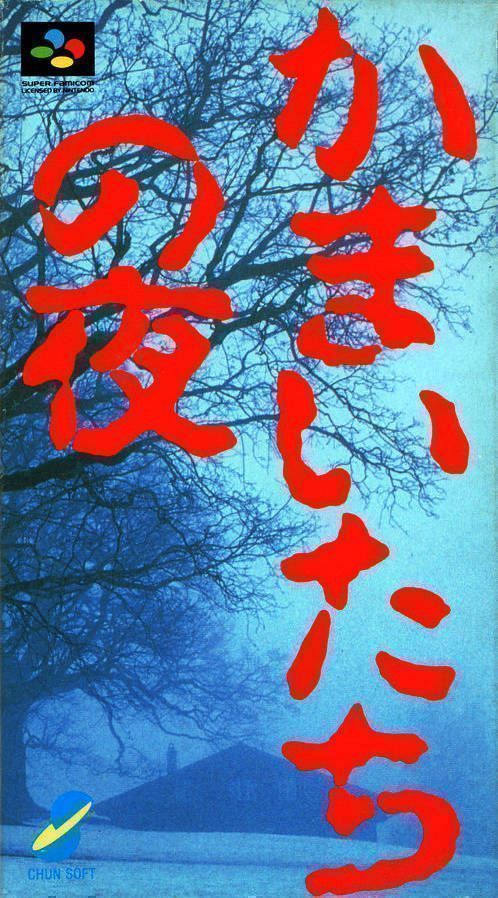
Banshee's Last Cry, originally released in Japan as Kamaitachi no Yoru, stands as a landmark title in the history of adventure gaming. Developed and published by Chunsoft (now Spike Chunsoft), this horror-themed sound novel was first unveiled for the Super Famicom on November 25, 1994. The game is widely credited with helping to define the "sound novel" genre, a term originally trademarked by Chunsoft that has since evolved into what is now commonly recognized as the visual novel category. Its immense popularity not only spawned a series of sequels but also inspired countless other developers to explore similar interactive storytelling formats.
Story and Setting
The narrative of Banshee's Last Cry immerses players in a terrifying murder mystery. The story follows a couple on vacation: Toru and his girlfriend Mari in the original Japanese version, or Max and Grace in the English localization. While staying at an isolated skiing lodge, the pair is suddenly drawn into a nightmare scenario where a murder occurs, and the player must help the characters solve the mystery. The tension escalates as the narrative warns that additional murders may occur if the player fails to locate crucial clues in time. The story unfolds through a series of branching events, culminating in one of over 40 different endings, ranging from survival to grim fates befitting the horror theme.
One of the most significant aspects of the game is its setting. While the original takes place in a rural Japanese village during the 1990s, the English localization released by Aksys Games made substantial changes to the setting. Headed by translator Jeremy Blaustein, the Western version shifts the location to contemporary British Columbia, Canada, altering character names and cultural references to better resonate with an international audience.
Gameplay Mechanics and Genre
As the second sound novel developed by Chunsoft, Banshee's Last Cry established core mechanics that would become staples of the genre. The gameplay centers on reading extensive text descriptions presented on the screen and making critical decisions at various junctures. These choices directly impact the outcome of the narrative, forcing players to weigh options carefully. The branching structure is extensive; even seemingly minor decisions can drastically alter the course of the plot, leading to vastly different scenarios and resolutions. The "sound novel" experience relies heavily on atmospheric audio and text to convey the horror, allowing the player's imagination to fill in the visual gaps, particularly in the original version where characters were represented as blue silhouettes.
Platform Availability and Release History
Since its debut in 1994, Banshee's Last Cry has seen a long and varied release history across multiple platforms. The game was ported to numerous systems, ensuring its longevity in the gaming community. Key platforms include:
- Super Famicom: The original release platform on November 25, 1994.
- PlayStation: A port released in Japan on December 3, 1998.
- Game Boy Advance: Released on June 28, 2002.
- PC: Available via web browser and other digital formats.
- Mobile Devices: Multiple mobile versions were released for various Japanese carriers, including J-Phone, i Appli, and EZ Appli, starting in 2002.
- iOS: Aksys Games released the localized English version on January 24, 2014.
- Android: While an Android port was announced by Aksys Games following the iOS release, it was never officially materialized.
Players should note that the English iOS version, while a significant milestone for Western fans, has faced compatibility issues and no longer functions correctly on devices running iOS 11 or later due to technical obsolescence.
Notable Features and Legacy
Banshee's Last Cry is celebrated for its high replay value, driven by its complex branching narrative. With over 40 possible endings, players are encouraged to revisit the story multiple times to uncover all clues and experience different outcomes. The game sold close to a million copies worldwide, including remakes and ports, cementing its status as a financial and critical success. It laid the groundwork for the Kamaitachi no Yoru series, with sequels like Kamaitachi no Yoru 2 appearing in 2002 and a remake titled Kamaitachi no Yoru: Rinne Saisei releasing in 2017 for the PlayStation Vita, which updated the presentation with full character illustrations.
Who Should Play Banshee's Last Cry?
This title is an essential experience for fans of classic adventure games, horror mysteries, and interactive fiction. It appeals to players who enjoy deep narrative engagement, where their decisions carry real weight and consequences. Those interested in the evolution of the visual novel genre or players looking to explore the roots of Chunsoft's storytelling will find this game to be a foundational piece of gaming history. Its blend of suspense, multiple paths, and atmospheric dread makes it a compelling choice for veterans of the genre and newcomers alike who appreciate the art of branching storytelling.