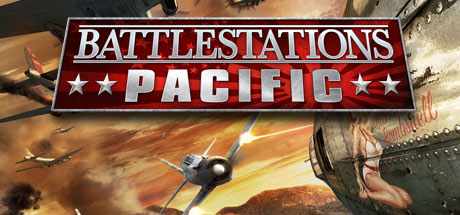
Released on May 12, 2009, Battlestations Pacific is an ambitious action-strategy title that redefines the scale of large-scale naval warfare. Serving as a sequel to Battlestations: Midway, the game expands upon its predecessor’s legacy by seamlessly blending intense aerial dogfights, methodical naval combat, and high-level fleet command into a single, cohesive experience. It offers players the unique ability to inhabit multiple roles within a single mission, transitioning from the cockpit of a fighter plane to the bridge of a massive battleship without breaking the flow of battle.
The Triple Threat: Gameplay Mechanics in Battlestations Pacific
The core strength of the title lies in its "three games in one" approach. The gameplay loop functions simultaneously as a light flight simulator, a naval combat game, and a real-time strategy title. This variety ensures that players are constantly engaged with different scales of conflict, ranging from individual dogfights to massive fleet engagements.
Players can directly pilot various aircraft—ranging from the speedy F4U Corsair to heavy B-25 bombers—engaging in arcade-style aerial combat. When not in the air, players can take command of surface vessels, managing everything from agile PT boats to massive aircraft carriers and battleships. The naval combat is notably methodical; rather than a fast-paced shooter, it requires players to maneuver ships to bring guns to bear, wait for targets to come into range, and manage reload times.
Beyond direct control, the game incorporates strategic depth through a 2D tactical map. This interface allows players to:
- Issue orders to entire task forces.
- Set specific flight paths for aircraft.
- Order retreats or launch new units into the fray.
- Manage the deployment of reinforcements during active battles.
Story and Setting
The campaign depicts the United States' wartime operations in the Pacific theater, but it also offers a unique perspective through an alternate history lens. While one side follows the historical American campaign, the Japanese campaign explores a timeline in which the Japanese empire expands across the greater Pacific after the destruction of Pearl Harbor. The narrative is presented via mission briefings and sepia-toned cutscenes designed to resemble vintage film footage, providing a "History Channel" inspired atmosphere to the conflict.
Notable Features and Technical Depth
Battlestations Pacific stands out for its technical ambition and visual fidelity. A standout feature is the ship destruction physics; when vessels are struck, they break apart based on the point of impact, with debris sinking independently into the ocean. This level of detail adds a layer of visceral satisfaction to naval engagements.
The game also focuses heavily on replayability through several key elements:
- Random Scenarios: Procedural elements ensure that no two battles feel exactly the same.
- New Perspectives: The inclusion of a new cockpit view for certain aircraft enhances the flight simulation aspect.
- Diverse Unit Roster: A massive array of playable units, from small patrol boats to heavy cruisers.
While the game is highly praised for its variety and graphics, players should be prepared for the challenges of managing AI wingmen, which can occasionally struggle with precision during complex objectives. Additionally, while the flight controls are responsive, achieving peak performance may be more intuitive with a joystick than a standard controller.
Ultimately, this title is a must-play for fans of naval combat, light flight simulators, and strategy games who crave a high-stakes, multi-layered warfare experience.