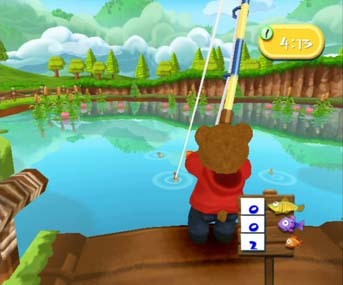
For fans of creative simulation games and the beloved plush toy brand, the release of Build-A-Bear Workshop: Friendship Valley on the Nintendo Wii marks a significant digital expansion of the franchise. Originally released on March 23, 2010, this video game adapts the physical retail experience into an interactive digital environment. It invites players to step away from traditional action-oriented gaming and instead focus on community management, interior design, and character customization within a charming 3D world.
Story and Setting Overview
The narrative foundation of the game is centered on the revitalization and beautification of a locale known as Friendship Valley. The premise tasks the player with assisting their furry friends in transforming this area into the "most furbulous town of all." While the game does not rely on a complex, text-heavy plot, the setting serves as the canvas for the player's creativity. The environment is designed to be explored as a cohesive 3D world, encouraging players to interact with the town's infrastructure and its inhabitants to improve the overall quality of life within the valley.
Gameplay Mechanics in Build-A-Bear Workshop: Friendship Valley
The core gameplay loop revolves around exploration, construction, and aesthetic customization. Players are not merely passive observers but active architects of the town's future. The game encourages a "build-to-improve" mentality, where the primary objective is to make the town look its best through a variety of interactive tools.
Upon starting the adventure, the player is tasked with exploring the 3D world to uncover the tools and resources needed for development. The gameplay is divided into several key pillars of activity:
- Town Development: Players can alter the physical appearance of the town. This includes replacing structural materials, such as swapping out bricks and wood, and aesthetic choices like changing the colors of doors and windows. The environment also allows for organic growth, permitting players to plant flowers to add vibrancy to the streets.
- Questing: The game utilizes a quest-based structure. Players must complete specific tasks to progress, ensuring that the town's development remains a goal-oriented experience rather than a sandbox without purpose.
- Mini-Games: To break up the simulation aspects, the title includes various mini-games, adding variety and "bearific fun" to the overall experience.
Character Selection and Customization
A standout feature of the title is the roster of playable characters. Players have the opportunity to choose their special furry friend from a selection of 13 distinct and customizable characters. This allows for a degree of personalization regarding who leads the charge in building the town, ensuring that the protagonist fits the player's preferred aesthetic.
Home Building and Vehicle Construction
The simulation extends beyond the public streets into the private lives of the characters. The game features a robust housing system that allows players to build, decorate, and customize the home of their furry friend. This internal customization is as deep as the external town building, offering options to apply wallpaper, arrange furniture, and place plants.
Furthermore, the game expands the scope of construction to include personal transportation. Players are empowered to build their own car, adding a unique layer of mechanical creativity to the gameplay. This feature allows for a more comprehensive understanding of the town's ecosystem, as players can build both the place where their character lives and the vehicle they use to travel.
Platform Availability
Build-A-Bear Workshop: Friendship Valley was developed specifically for the Nintendo Wii platform. It takes advantage of the console's hardware to render the 3D world in which the town is situated. The game was designed to bridge the gap between the physical toy experience and the digital home entertainment space.
Target Audience Appeal
This title is primarily aimed at younger audiences, families, and existing fans of the Build-A-Bear Workshop brand. The game's appeal lies in its low-pressure, high-creativity environment. It appeals to players who enjoy the satisfaction of design, organization, and community building. By allowing players to dictate the look and feel of Friendship Valley—from the color of a window frame to the blueprint of a car—the game offers a therapeutic and engaging experience for those who prefer creativity over competition.